A Complete Guide to Manaslu Tsum Valley Trekking
The Manaslu Tsum Valley Trekking route offers an off-the-beaten-path journey through Nepal's remote Himalayan region. Combining the majestic Manaslu massif with the sacred Tsum Valley, this trek provides trekkers with stunning mountain scenery, deep cultural immersion, and a true wilderness experience away from the crowds found on more popular routes like Everest Base Camp and Annapurna Base Camp.
Introduction to the Manaslu Tsum Valley Trek
Located in the northern Himalayas of Nepal, the Manaslu region centers around Mount Manaslu, the world's eighth highest peak at 8,163 meters. The Tsum Valley, a sacred Himalayan valley steeped in Tibetan Buddhist culture, branches off from the main Manaslu Circuit. Together, these routes form a trek that takes 18-21 days and covers 170-200 kilometers, crossing the challenging Larke Pass at 5,106 meters.
Key Highlights of the Trek
- Mountain Views: Close-up perspectives of Mt. Manaslu, Ganesh Himal, and parts of the Annapurna range.
- Sacred Tsum Valley: A remote, historically significant area with ancient Buddhist monasteries and pilgrimage sites.
- Untouched Wilderness: Pristine forests, alpine meadows, and rugged terrain offering solitude.
- Cultural Richness: Deep immersion in Tibetan Buddhist culture with prayer walls, mani stones, and traditional villages.
- Diverse Landscapes: From subtropical forests at lower elevations to alpine meadows and glacial terrain at higher altitudes.
Why Choose the Manaslu Tsum Valley Trek
Less Crowded and Remote
As a restricted area requiring special permits, this trek sees significantly fewer trekkers than the Everest or Annapurna regions. The remoteness provides an authentic wilderness experience, with minimal commercialization preserving both natural and cultural environments.
Rich Cultural Experience
The Tsum Valley is steeped in Tibetan Buddhist traditions dating back centuries. Villages such as Chhekampar and Chumling are home to Tibetan communities whose way of life remains closely connected to their spiritual practices. Monasteries and religious sites dot the valley, offering insight into a culture that has changed little over generations.
Diverse Landscapes
The trail traverses multiple climate zones. Starting in subtropical forests, trekkers progress through terraced fields, pine and rhododendron forests, alpine meadows, and finally snow-capped peaks and glacial valleys. River crossings and dramatic elevation changes create a sense of progression and reward throughout the journey.
Close-Up Mountain Views
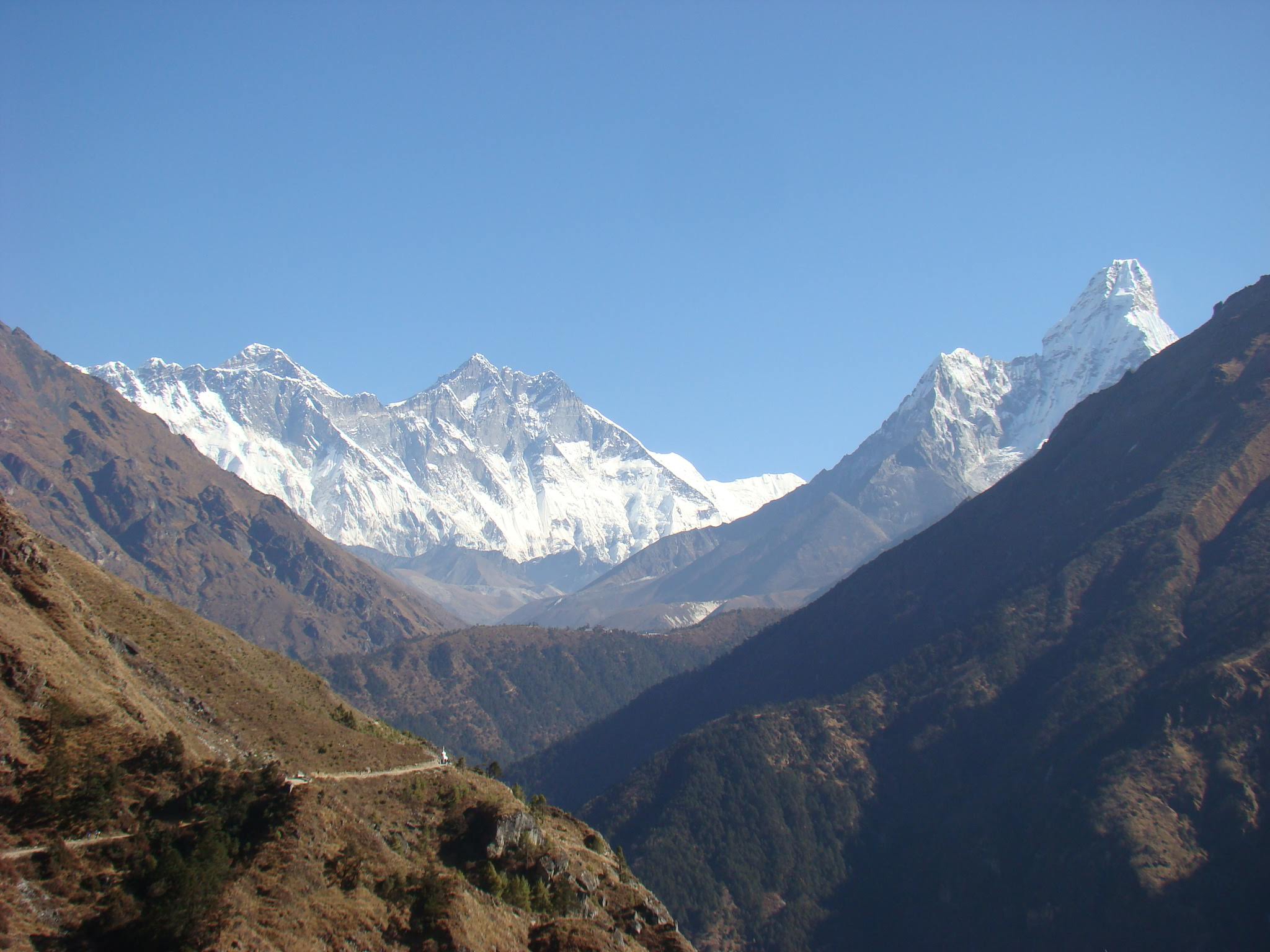
The trek offers some of the closest views of the Manaslu range, particularly from the Larke Pass and the upper reaches of the Tsum Valley. Glaciers, dramatic ridges, and snow-covered peaks dominate the horizon, making the trek especially rewarding for mountain enthusiasts.
Sacred Buddhist Heritage
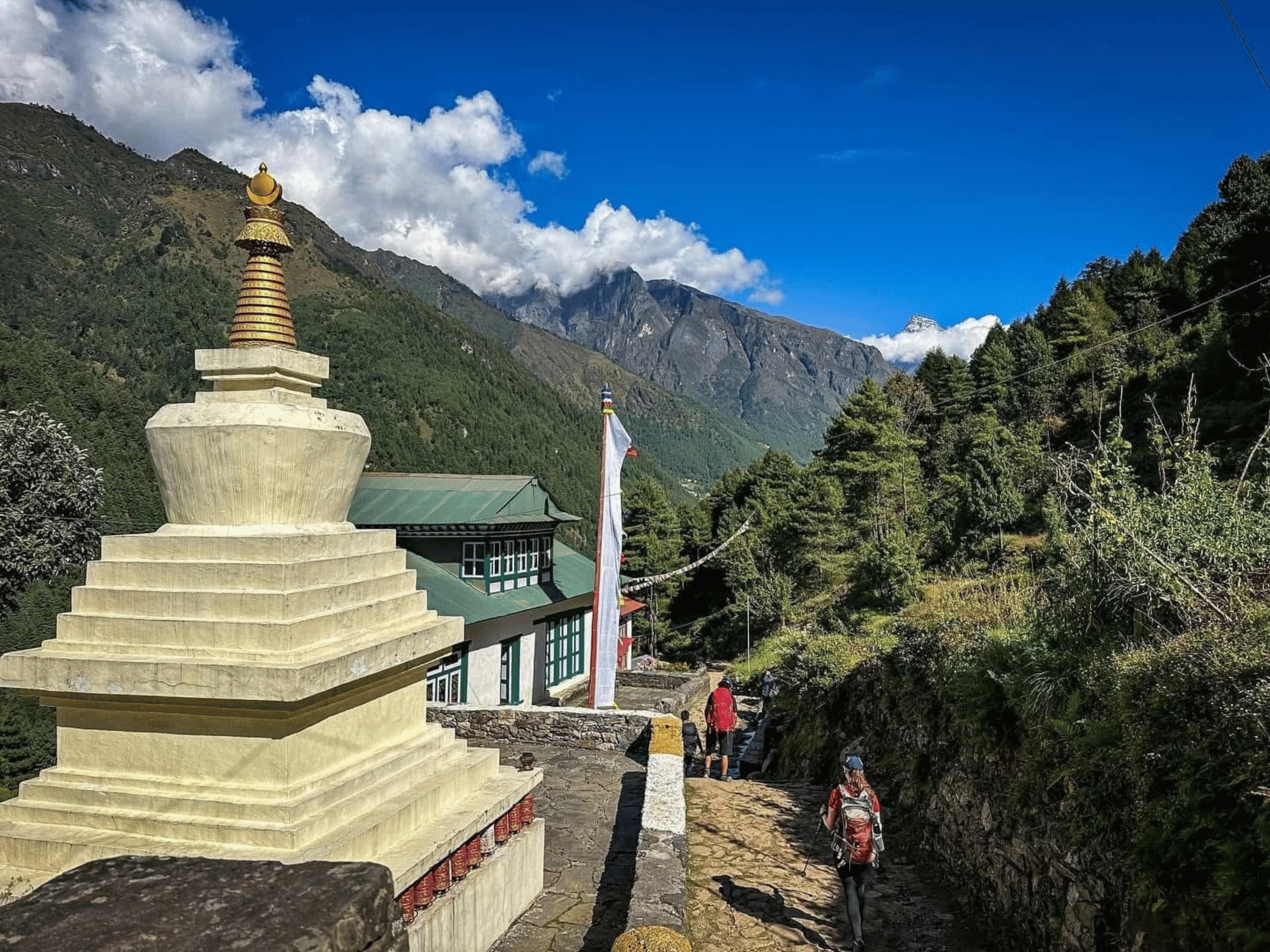
The Tsum Valley is considered a spiritual sanctuary, with monasteries such as Mu Gompa and Rachen Gompa serving as important pilgrimage sites for Tibetan Buddhists. The valley's sacred atmosphere, enhanced by prayer flags, chortens, and meditation caves, adds a profound dimension to the trek.
Best Time to Trek
Spring (March to May)
Spring offers mild temperatures, sunny days, and cool nights. Rhododendrons bloom along lower trails, and skies remain clear for excellent mountain views and photography. This is an ideal season for trekking.
Autumn (September to November)
Autumn provides dry weather, crisp air, and crystal-clear mountain visibility. The post-monsoon landscape is lush and vibrant, making this another peak season for the trek.
Winter (December to February)
Winter trekking is possible but requires preparation for snow, extreme cold, and icy trails at higher elevations. Fewer trekkers venture out during this season, offering peace and solitude with snow-covered landscapes.
Monsoon (June to August)
The monsoon season brings heavy rainfall, increased landslide risk, and muddy trails. Although the Tsum Valley lies in a rain shadow and remains slightly drier, trekking during this period is generally not recommended.
Trek Permits and Regulations
Due to its restricted status, the Manaslu region requires multiple permits and mandatory guide services.
Required Permits
- Manaslu Restricted Area Permit (RAP): Required for the section from Jagat to Samagaon. Valid for a specific number of days based on itinerary.
- Tsum Valley Restricted Area Permit: Covers access to the sacred Tsum Valley area, including its monasteries and villages.
- Manaslu Conservation Area Permit (MCAP): Conservation fee supporting environmental preservation in the region.
- Annapurna Conservation Area Permit (ACAP): Required if exiting the trek via Dharapani into the Annapurna region.
Important Regulations
- Trekking independently is not permitted. A licensed guide is mandatory.
- Trekkers must travel in groups of at least two people.
- Permits must be arranged through a registered trekking agency in Nepal.
Trek Difficulty and Physical Preparation
Distance and Duration
The full trek spans 18-21 days, covering 170-200 kilometers. Daily walking ranges from 5-7 hours, with longer days on pass crossings.
Altitude Profile
The highest point is Larke Pass at 5,106 meters. Proper acclimatization is essential to prevent altitude sickness. The itinerary should include rest days at key locations such as Samagaon.
Fitness Requirements
A moderate to high level of fitness is necessary due to long days, steep ascents, and rough terrain. Cardiovascular endurance, leg strength, and stamina are important for completing the trek comfortably.
Training Recommendations
- Cardiovascular Exercise: Running, cycling, swimming, or stair climbing 3-4 times weekly.
- Strength Training: Focus on legs (squats, lunges), core, and upper body.
- Backpack Training: Hike with a loaded pack to simulate trek conditions.
Cultural and Religious Significance
Tibetan Buddhist Influence
The Tsum Valley holds deep Tibetan Buddhist roots, with religious practices, monasteries, and meditation traditions central to daily life. The valley is considered sacred by locals and serves as an important spiritual hub.
Sacred Monasteries
- Mu Gompa: Located at 3,700 meters, the largest and most famous monastery in the Tsum Valley. An important pilgrimage site with regular prayer ceremonies.
- Rachen Gompa: A historic nunnery known for its spiritual significance, offering a peaceful environment for meditation and learning.
Festivals and Traditions
- Losar: Tibetan New Year celebrated with colorful ceremonies, masked dances, and community prayers.
- Saga Dawa: Festival commemorating Buddha's birth, enlightenment, and death, marked by special rituals and processions.
Accommodation and Food
Tea Houses
Basic tea houses (lodges) are available along the main route, providing rooms with beds, blankets, and shared bathrooms. Dining rooms are communal and often heated. At higher altitudes, facilities become more basic.
Camping
Camping is possible but requires special arrangements, permits, and equipment. This option offers more flexibility but demands greater logistical support.
Food Options
Meals are simple but energy-rich. Common dishes include:
- Dal bhat (rice and lentils) – the staple trekking meal
- Tibetan bread and tsampa (roasted barley flour)
- Momos (dumplings) and thukpa (noodle soup)
- Soups, porridge, and noodles
Food variety decreases at higher elevations, and prices increase due to transport costs. Budget approximately $20-30 per day for meals.
Essential Packing List
Clothing
- Base layers (merino wool or synthetic)
- Insulated down jacket for cold conditions
- Waterproof jacket and pants
- Trekking pants and thermal leggings
- Warm hat, gloves, and neck gaiter
- Hiking socks (multiple pairs)
Gear
- Sleeping bag rated to -15°C or lower
- Trekking poles for stability
- Headlamp with extra batteries
- Sunglasses with UV protection
- Water bottles or hydration system with purification method
- Backpack (40-50 liters) with rain cover
Essentials
- First aid kit including altitude sickness medication
- Power bank and solar charger for electronics
- Sunscreen and lip balm with high SPF
- Personal toiletries and wet wipes
- Copies of permits and passport
Responsible Trekking and Sustainability
Leave No Trace Principles
Minimize environmental impact by:
- Carrying out all non-biodegradable waste
- Using refillable water bottles and purification methods
- Staying on designated trails to prevent erosion
- Respecting wildlife and maintaining distance
Supporting Local Communities
Contribute to the local economy by:
- Purchasing locally made handicrafts and products
- Hiring local guides and porters through registered agencies
- Staying in locally owned tea houses
- Paying fair prices for goods and services
Conclusion and Final Tips
The Manaslu Tsum Valley Trek offers more than a journey through Himalayan landscapes—it provides immersion into ancient traditions, remote monasteries, and the warm hospitality of local communities. The combination of rugged trails, high mountain passes, and deep cultural encounters makes this trek both challenging and deeply rewarding.
With proper preparation, respect for local customs, and an adventurous spirit, trekkers will not only conquer the trails but also create lasting memories. Whether drawn by the serenity of Tsum Valley, the grandeur of Manaslu, or the spiritual energy of sacred sites, this trek promises an experience that remains long after returning home.
For assistance planning your Manaslu Tsum Valley trek, including permits, guides, and customized itineraries, contact Global Nepal Treks.
Website: www.globalnepaltreks.com
Email: info@globalnepaltreks.com