Langtang Valley: A Complete Guide to Culture, Trekking, and Natural Beauty
Langtang Valley, nestled in the heart of the Nepalese Himalayas, offers a captivating blend of culture, flora, fauna, and breathtaking landscapes. Located just north of Kathmandu, this region provides one of the most accessible yet rewarding trekking experiences in Nepal. Known as the "Valley of Glaciers," Langtang rewards visitors with pristine natural beauty, rich Tamang culture, and spectacular mountain views without the crowds found on more famous routes.
Culture: The Living Heritage of the Tamang People
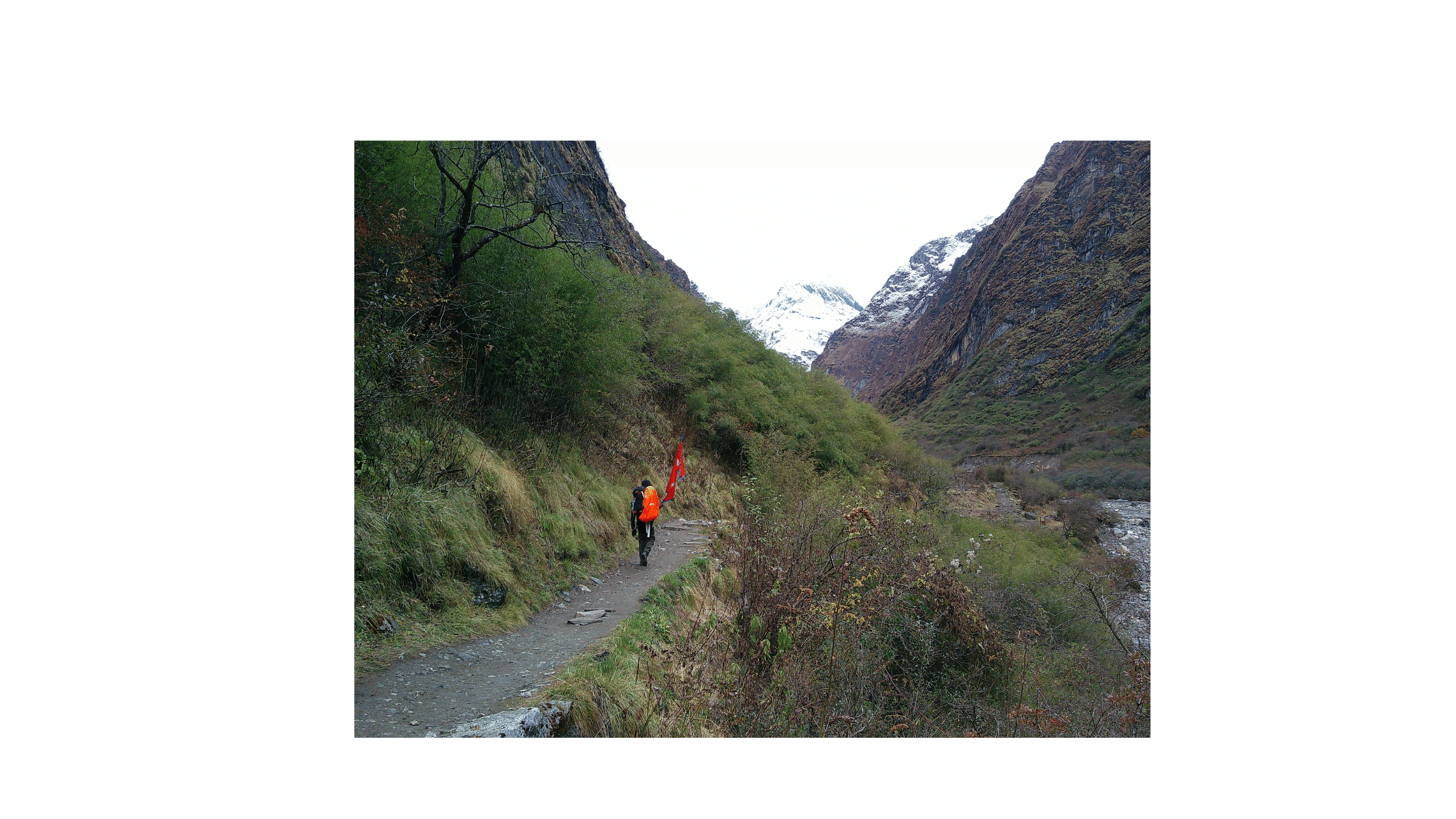
The Langtang region is inhabited primarily by the Tamang people, an ethnic group with deep cultural roots in Tibetan Buddhism. As you trek through the valley, you'll encounter colorful prayer flags fluttering in the wind, intricately carved mani stones lining the trails, and monasteries adorned with vibrant murals depicting Buddhist deities. These sacred markers transform the landscape into a living spiritual tapestry.
The Tamang people are renowned for their warm hospitality and traditional way of life, which revolves around farming, herding yaks, and trading along ancient routes connecting Nepal and Tibet. Their distinctive language, dress, and customs reflect centuries of cultural evolution in this challenging mountain environment.
Traditional Marriage Customs in Langtang
The marriage system in Langtang offers fascinating insight into Tamang social structure. Traditional marriages are typically arranged, with parents and elders playing significant roles in selecting suitable partners for their children. Matches are often arranged within the community or between neighboring villages, with careful consideration given to social status, family reputation, and compatibility between families.
Once a match is proposed and accepted by both families, various rituals and ceremonies formalize the union. One common tradition involves the exchange of dowry and gifts between families—these offerings often include livestock, agricultural produce, traditional clothing, and other valuable items symbolizing the alliance between families.
Wedding ceremonies in Langtang are elaborate affairs, featuring traditional music, dancing, feasting, and religious rituals performed by Buddhist monks. These celebrations serve not only to unite couples but also to strengthen social bonds within the community. Despite modernization, many traditional marriage customs continue to be observed in Langtang, reflecting the deep-rooted cultural heritage of the Tamang people.
Daily Life and Traditions
Beyond marriage customs, Tamang daily life revolves around the rhythms of agriculture and animal husbandry. Yaks provide milk, wool, and transportation, while terraced hillsides yield potatoes, buckwheat, and barley. Traditional homes, built from stone and timber, feature ground floors for animals and upper levels for family living. Visitors can observe butter tea being churned, traditional cheese being made, and intricate weaving being produced.
Flora and Fauna: Biodiversity in the Valley
Langtang Valley's varied altitude and climatic conditions support remarkable biodiversity. As you trek, you'll pass through several distinct ecological zones:
- Lower forests: Lush rhododendron forests carpet the lower slopes, with vibrant blooms painting the landscape crimson and pink during spring (March-April). Oak, maple, and hemlock create dense canopies sheltering diverse wildlife.
- Mid-elevations: As you ascend, forests transition to mixed woodlands of fir, pine, and birch, with undergrowth of bamboo and juniper.
- Alpine meadows: Above treeline, alpine meadows burst with edelweiss, primulas, gentians, and other hardy wildflowers during summer months.
- High altitudes: Barren moraines and glaciers characterize the highest reaches, with hardy lichens and mosses clinging to rocks.
Wildlife enthusiasts may spot elusive Himalayan species including:
- Red panda: The elusive and endangered red panda inhabits temperate forests, though sightings require patience and luck.
- Himalayan tahr: These sturdy goat-antelopes graze on alpine meadows, often visible on steep slopes.
- Musk deer: Solitary and shy, these deer are prized for their musk glands.
- Himalayan monal (Danphe): Nepal's national bird, with iridescent plumage, inhabits upper forest zones.
- Assorted bird species: Over 250 bird species have been recorded, including pheasants, eagles, vultures, and colorful sunbirds.
Landscape: Himalayan Grandeur
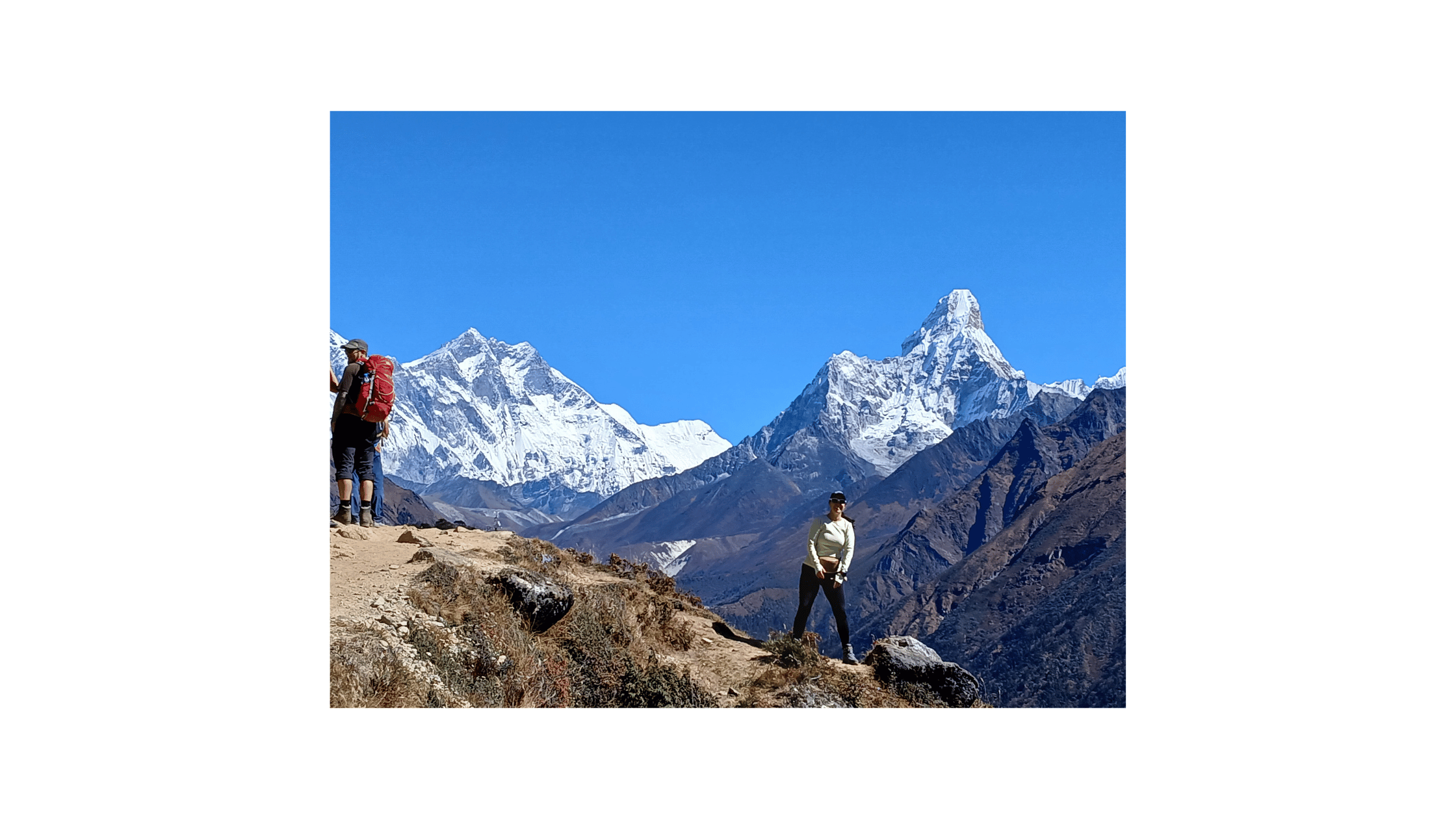
Langtang Valley offers jaw-dropping vistas at every turn. Towering snow-capped peaks dominate the skyline, including:
- Langtang Lirung (7,234m): The highest peak in the region, its massive glacier crowns the valley head.
- Ganesh Himal (7,422m): A massive mountain massif visible from many viewpoints.
- Langtang Ri, Dorje Lakpa, and other peaks: Numerous 6,000-7,000m peaks create a spectacular amphitheater.
The Langtang River, originating from glaciers high above, meanders through the valley, carving its way through rugged terrain and lush forests. Glacial lakes shimmer in side valleys, their turquoise waters reflecting surrounding peaks. As you trek deeper into the valley, you'll be treated to cascading waterfalls, dramatic cliffs, and serene alpine lakes, making it a paradise for nature lovers and photographers.
Kyanjin Gompa, at 3,870 meters, serves as the trek's usual endpoint, offering spectacular close-up views of Langtang Lirung and surrounding peaks. From here, adventurous trekkers can ascend to Tserko Ri (5,033m) for panoramic vistas stretching to the Tibetan plateau.
The Langtang Trek: Practical Information
Duration: The classic Langtang Valley trek requires 7-10 days, depending on side trips and pace.
Difficulty: Moderate. The trail follows the valley floor with steady but manageable gradients. No technical climbing required.
Best seasons: Spring (March-May) for rhododendron blooms and pleasant weather; autumn (September-November) for clear skies and stable conditions.
Accommodation: Teahouses provide basic lodging and meals throughout the valley. Facilities become simpler at higher elevations.
Permits: TIMS card and Langtang National Park entry permit required, easily arranged in Kathmandu.
Access: 7-8 hour drive from Kathmandu to Syabrubesi, the trek starting point. Regular buses and private jeeps available.
Resilience and Recovery
The 2015 earthquake devastated Langtang Valley, causing massive landslides that buried villages and claimed many lives. The resilience of the Tamang people has been remarkable—communities have rebuilt, teahouses have reopened, and trails have been restored. Trekking in Langtang today supports local recovery while honoring the region's indomitable spirit.
Conclusion: Why Langtang Belongs on Your Itinerary
Langtang Valley offers a mesmerizing tapestry of culture, biodiversity, and natural beauty. Its accessibility from Kathmandu, manageable trek duration, rich cultural encounters, and spectacular mountain scenery make it an ideal choice for trekkers seeking an authentic Himalayan experience without the extreme altitudes and crowds of Everest or Annapurna. Whether you're drawn by Tamang culture, wildlife viewing, or simply the joy of walking through pristine mountain landscapes, Langtang delivers an unforgettable adventure.
Global Nepal Treks offers guided Langtang Valley treks with experienced local guides who share deep knowledge of the region's culture, natural history, and trails. Contact us to plan your Langtang adventure.
Website: www.globalnepaltreks.com
Email: info@globalnepaltreks.com