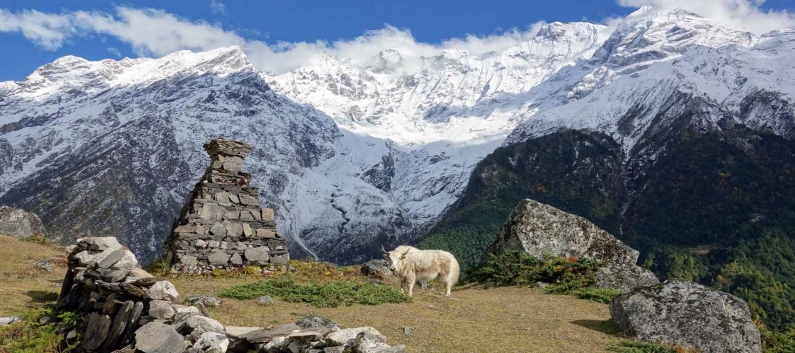
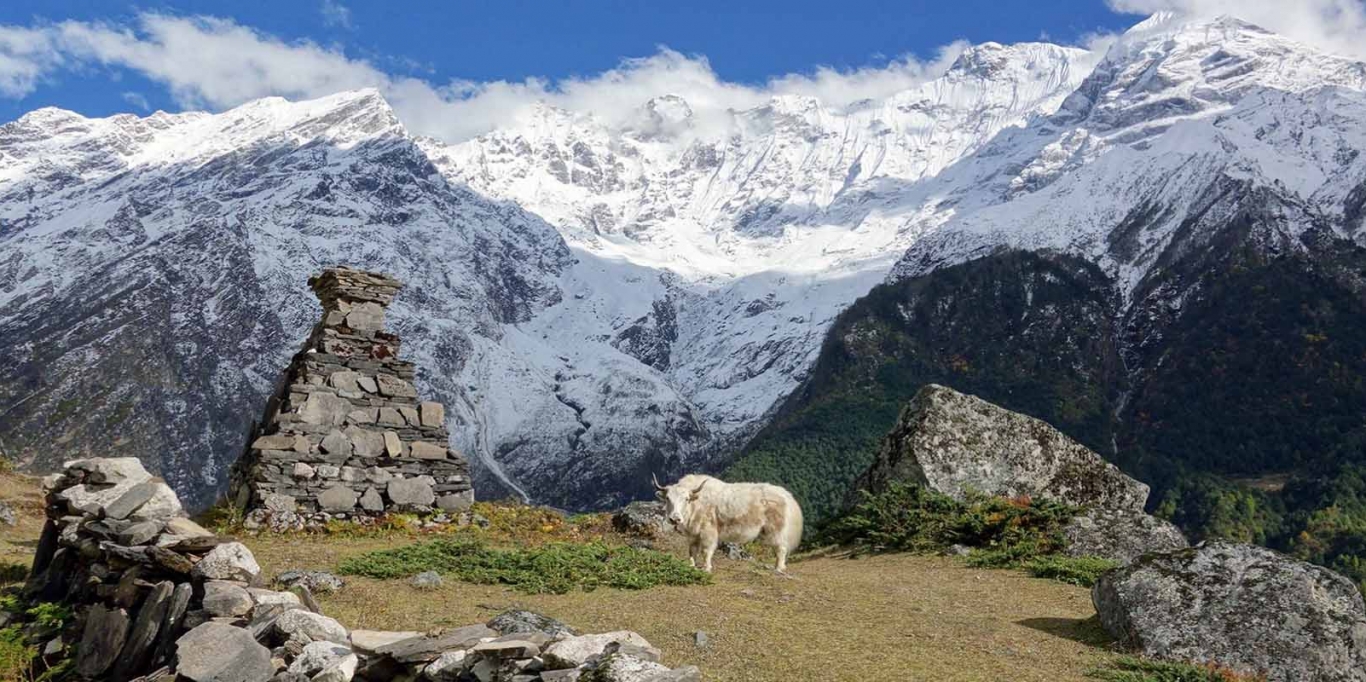
The Manaslu Tsum Valley Trekking is an off-the-beaten-path trekking route that traverses Nepal’s remote Himalayan region. It offers trekkers an unparalleled combination of natural beauty, cultural immersion, and an adventurous experience.
The trek takes you through less-explored areas, allowing you to escape the crowds found in more popular like Everest Base Camp trek and Annapurna Base Camp trek. The journey reveals stunning views of the Manaslu mountain (8,163 meters), the Ganesh Himal, and parts of the Annapurna range, combined with rich Tibetan Buddhist influences and fascinating landscapes.
This trek is one of the lesser-traveled routes in Nepal, which means that you’ll encounter fewer trekkers compared to Everest or Annapurna. The remoteness of the region gives trekkers a sense of solitude, offering an authentic wilderness experience. The absence of commercialization ensures that the natural and cultural environment remains preserved.
The Tsum Valley is steeped in Tibetan Buddhist culture, with traditions and customs that date back centuries. The area is home to several monasteries and religious sites, where you can experience life as it has been for generations. Villages in the region, such as Chhekampar and Chumling, are home to Tibetan people, and their way of life is a stark contrast to the bustling cities of Nepal.
The trail features multiple landscapes that change dramatically as you ascend in altitude. Starting from subtropical forests, you will gradually move through terraced fields, forests of pine and rhododendron, alpine meadows, and snow-capped peaks. You’ll also cross multiple rivers and enjoy glacial landscapes, which create a sense of progression and reward as you move along the trek.
This trek offers some of the closest views of the Manaslu range, making the journey more immersive. The range's snow-capped peaks, glaciers, and dramatic ridges will be in clear view as you trek through various parts of the region, especially while crossing Larke Pass.
The Tsum Valley is not only stunningly beautiful but is also a center for Buddhist pilgrimage. The monasteries like Mu Gompa and Rachen Gompa are significant spiritual hubs for local Tibetan Buddhists. Pilgrims visit these monasteries throughout the year to meditate and pray, giving the valley a sacred atmosphere.

Spring is a favorite for trekking in the Manaslu Tsum Valley. The weather is mild with sunny days and cool nights. The trail is flanked by blooming rhododendrons, and the skies are clear, giving trekkers the perfect conditions for both trekking and photography.
Autumn is another peak season for trekking. The weather is dry, the air is crisp, and the mountain views are crystal clear. The post-monsoon season offers lush greenery and vibrant landscapes, making this an ideal time to experience both the natural beauty and cultural richness of the region.
Winter trekking is possible but requires more preparation, as it involves dealing with snow, extreme cold, and icy trails. However, the winter season offers peace and solitude as fewer trekkers venture out, and the landscape covered in snow can be breathtaking.
The monsoon season is the least favorable time to trek due to heavy rainfall, increased risk of landslides, and muddy trails. The Tsum Valley, being in a rain shadow, remains slightly drier than other areas, but it is still advisable to avoid trekking during this period if you want to minimize discomfort.
The Manaslu region is a restricted area, so trekkers are required to obtain a Manaslu RAP to enter. This permit is valid for the section from Jagat to Samagaon. The permit is strictly enforced, ensuring that trekkers only enter with a registered guide.
In addition to the Manaslu RAP, trekkers must obtain the Tsum Valley RAP, which covers the sacred Tsum Valley. This special permit allows access to the secluded Buddhist monasteries and villages of the valley.
The MCAP is a conservation fee used to preserve the natural environment and biodiversity of the region. It is compulsory for all trekkers in the Manaslu area.
If you exit the trek through the Annapurna region (via Dharapani), you will need an ACAP to enter the Annapurna Conservation Area.
The trek typically lasts between 18-21 days, covering around 170-200 kilometers. The journey involves significant elevation gain, which requires good endurance and physical fitness.
The highest point of the trek is Larke Pass, which stands at 5,106 meters. Due to the high altitude nature of the trek, it’s essential to follow an acclimatization plan to avoid altitude sickness. The trekking itinerary should include enough rest days to allow your body to adjust to the altitude.
A moderate to high level of fitness is necessary for this trek. A strong cardiovascular system, good leg strength, and stamina will help trekkers cope with the challenging ascents and rough terrain.
The Tsum Valley holds deep Tibetan Buddhist roots, and much of the region's culture revolves around religious practices, monasteries, and meditation. The valley is considered sacred by the locals and serves as a spiritual hub for Tibetan Buddhists.
Accommodation is typically available in the form of tea houses, where trekkers can rest, eat, and sleep. Camping is also an option but requires special permits and equipment, as the region is relatively remote.
Meals are generally simple but energy-rich, such as dal bhat (rice and lentils), Tibetan bread, momos (dumplings), and soups. Higher-altitude areas may offer limited food choices, but the food remains nutritious for the trek.
Expect to pay around $20-$30 per day for meals, depending on the altitude. Prices tend to increase as you ascend, due to the difficulty of transportation.
Waterproof jacket and pants for rainy or snowy weather.
Sleeping bag with a rating of -15°C for cold nights.
Trekking poles to help with stability on rocky or uneven terrain.
Headlamp with extra batteries for nighttime use.
Sunglasses with UV protection to shield your eyes from the intense sun at higher altitudes.
It’s vital to reduce your impact on the environment by adhering to the Leave No Trace principles:
Support local businesses by:
The Manaslu Tsum Valley Trek is more than just a journey through breathtaking Himalayan landscapes—it’s an immersion into ancient traditions, remote monasteries, and the warm hospitality of the locals. The combination of rugged trails, high mountain passes, and deep cultural encounters makes this trek both challenging and deeply rewarding.
With proper preparation, a respectful approach to the region’s customs, and an adventurous spirit, you’ll not only conquer the trails but also create lasting memories. Whether it’s the serenity of Tsum Valley, the grandeur of Manaslu, or the spiritual energy of sacred sites, this trek promises an experience that will stay with you long after you’ve returned home.