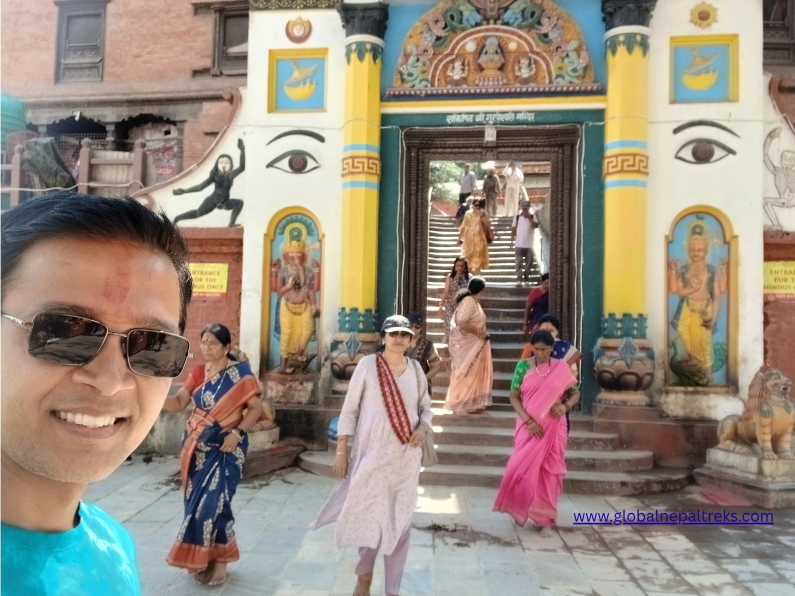
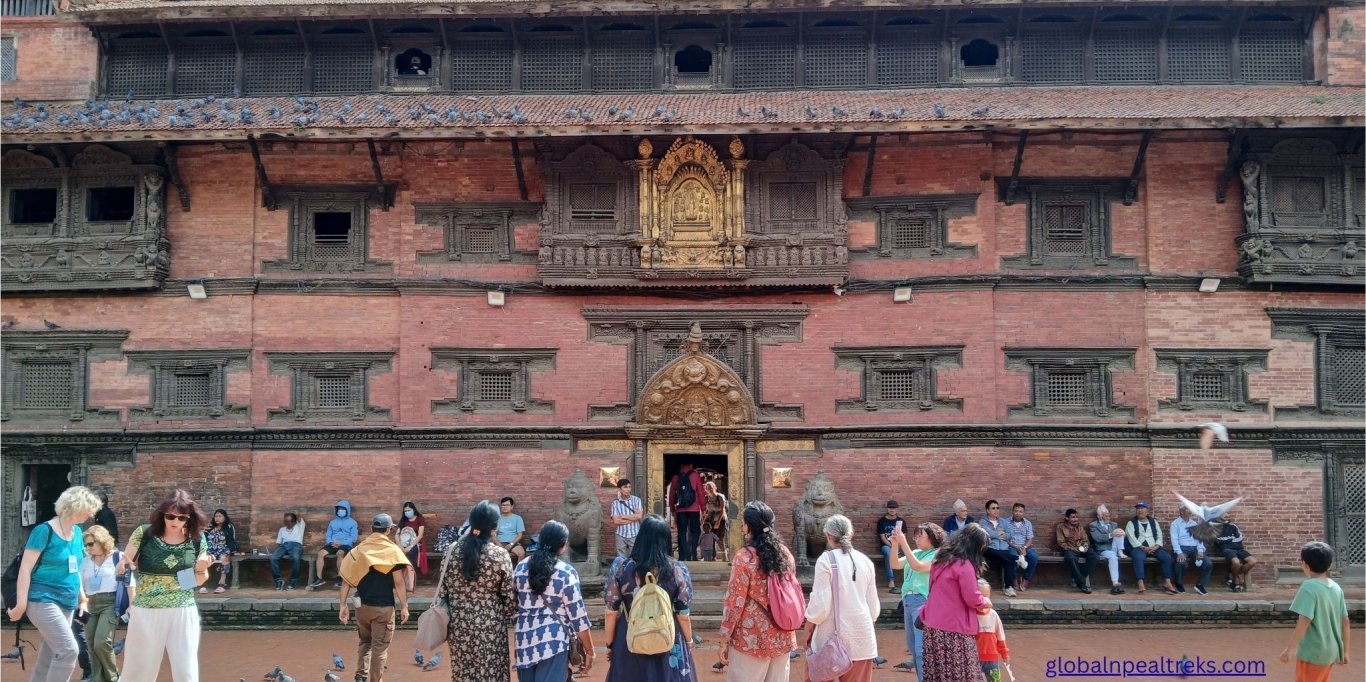
When people think of Nepal, they often imagine snow-capped peaks, yaks grazing on high mountain pastures, colorful prayer flags fluttering in the wind, and lines of trekkers inching towards the base of Mount Everest. But there’s another side to Nepal — one that touches the soul deeply and quietly: Nepal is one of the world’s most spiritually powerful places for pilgrimage tours, a sacred land where ancient temples, monasteries, and holy lakes have drawn pilgrims for centuries.
In Nepal, trekking and pilgrimage naturally blend. A trail doesn’t just lead to a mountain viewpoint — it might end at a hidden monastery, a sacred cave, or a high-altitude lake believed to wash away sins. Here, the footsteps of trekkers and pilgrims cross paths, sharing stories under the same Himalayan sky.
In this journey, we’ll explore why Nepal is truly one of the best places for pilgrimage tours and trekking — from the timeless shrines of the Kathmandu Valley to the wind-swept heights of Muktinath, from the serene trails to Gosaikunda to the hidden powers of Pathivara Devi, Gorkha Kalika, and beyond.
The Living Heritage of Kathmandu Valley: Temples, Monasteries, and Stupas
The Kathmandu Valley is a spiritual museum under the open sky. Within just a few kilometers, you’ll find countless temples, stupas, and monasteries, each carrying centuries of history and living traditions that continue today.
Pashupatinath Temple, a UNESCO World Heritage Site, is the holiest Hindu shrine in Nepal and one of the most important Shiva temples in the world. Here, holy sadhus meditate under ancient trees, pilgrims bathe in the Bagmati River, and the chants of priests echo day and night.
Nearby, the Boudhanath Stupa, one of the largest spherical stupas in the world, draws Tibetan Buddhist pilgrims who circle it with spinning prayer wheels. Monks in crimson robes chant mantras, incense smoke fills the air, and colorful prayer flags carry prayers to the heavens.
Then there is Swayambhunath Stupa, famously known as the Monkey Temple. Perched atop a hill with panoramic views of Kathmandu, it’s a place where Hinduism and Buddhism intertwine beautifully. Pilgrims climb the 365 steps to reach the stupa, spin prayer wheels, light butter lamps, and soak in the peaceful energy.
Hidden in the bustling city are countless other temples and shrines — from the Taleju Temple in Kathmandu Durbar Square to the peaceful monasteries of Patan and Bhaktapur. The valley itself feels like a mandala — an intricate sacred circle of life, faith, and devotion.
Muktinath: A Journey to Salvation
Far in the Mustang region lies Muktinath, one of the most revered pilgrimage sites for both Hindus and Buddhists. The word “Mukti” means liberation — it’s believed that a visit here frees the soul from the cycle of birth and rebirth.
At 3,800 meters, Muktinath Temple stands as a symbol of religious harmony. Pilgrims bathe under the 108 ice-cold water spouts that surround the temple courtyard, believing the sacred waters wash away a lifetime of sins. Buddhists revere it as Chumig Gyatsa, meaning ‘Hundred Waters’.
The journey to Muktinath is an adventure in itself — passing through the windy Kali Gandaki Valley, ancient villages like Kagbeni, and the dramatic backdrop of the Nilgiri and Dhaulagiri ranges. Many combine the pilgrimage with the famous Jomsom-Muktinath trek, blending faith and nature in one unforgettable journey.
Manakamana: The Goddess Who Fulfills Wishes
Manakamana, meaning ‘the Goddess of Wishes’, is one of Nepal’s most loved pilgrimage sites. According to legend, the goddess grants the heartfelt desires of those who come with true devotion.
Reaching Manakamana was once a steep uphill climb for hours, but today, a scenic cable car ride takes pilgrims high above rivers and forests to the hilltop temple. On special days and festivals, devotees line up with offerings of flowers, incense, and even goats or chickens to be sacrificed in traditional rituals.
Many pilgrims combine a visit to Manakamana with tours around Gorkha — the ancient kingdom of Nepal’s first king, Prithvi Narayan Shah. Here stands Gorkha Kalika, another powerful goddess temple perched on a ridge with views stretching towards the Himalayas.
Gosaikunda: The Sacred Lake of Shiva
High in the Langtang National Park lies Gosaikunda, a cluster of alpine lakes believed to have been created by Lord Shiva himself. Legend says that when Shiva swallowed poison to save the world, he struck the ground with his trident to cool his burning throat, creating the pristine lake.
Every year during the Janai Purnima festival, thousands of Hindu and Buddhist pilgrims make the challenging trek to Gosaikunda, braving steep trails and thin air at over 4,300 meters. Many believe a dip in the icy waters purifies the soul and brings blessings for generations to come.
For trekkers, Gosaikunda is not just a pilgrimage site but also a gateway to stunning trekking routes. Trails connect to the Helambu region, Langtang Valley, and even the challenging Lauribina Pass. It’s a perfect blend of spiritual journey and Himalayan adventure.
Pathivara Devi: The Hidden Power of the Eastern Hills
In the far eastern hills of Nepal, in the Taplejung district, lies Pathivara Devi Temple — a powerful shrine for the Limbu people and devotees from across Nepal and India.
Perched at about 3,794 meters, the temple is dedicated to Goddess Pathivara, who is believed to fulfill wishes related to family, health, and wealth. Pilgrims from the plains of Terai, Sikkim, and Darjeeling make the steep climb, carrying offerings and prayers.
The trail itself is beautiful, winding through lush forests, rhododendron blooms in spring, and panoramic views of the Kanchenjunga range — the world’s third-highest mountain. Pilgrimage here is not just about reaching the shrine but also about experiencing nature’s raw beauty in a region few foreign travelers visit.
Gorkha Kalika: The Warrior Goddess of Gorkha
Gorkha, the birthplace of modern Nepal’s unification, is deeply connected to the Gorkha Kalika Temple. This temple is dedicated to Goddess Kali, the fierce mother goddess who symbolizes destruction of evil and protection of the righteous.
Located within the historic Gorkha Durbar (Palace), the temple is perched dramatically on a ridge, overlooking the vast middle hills and, on clear days, offering glimpses of the snow peaks in the distance.
Local devotees visit Gorkha Kalika especially during major Hindu festivals like Dashain, when thousands make animal sacrifices as part of age-old traditions. The temple, palace, and surrounding fortifications are living reminders of Nepal’s brave history, faith, and unity.
Trekking and Pilgrimage: Two Paths, One Heart
What makes Nepal so special is that trekking and pilgrimage are not separate things here. In many ways, they are two sides of the same journey.
When you trek to the Annapurna Sanctuary, you pass by ancient chortens (Buddhist shrines) and prayer flags. When you climb to Tengboche Monastery on the Everest Base Camp trail, you’re greeted by monks chanting in a hall surrounded by the world’s highest mountains.
Villages like Lumbini — the birthplace of Lord Buddha — attract Buddhist pilgrims from all over the world, but travelers too come to feel the peaceful energy of the Maya Devi Temple and the sacred garden.
Local Stories, Warm Hospitality
No pilgrimage tour or trek in Nepal is complete without the warmth of its people. Whether you’re sipping butter tea in a Sherpa village, sharing a meal with a Gurung family, or listening to a Tamang guide explain local legends, the heart of Nepal is its people.
Local guides, porters, and villagers make every journey memorable with their kindness and stories. Many pilgrims remember not only the temples but also the simple moments — a warm smile, a prayer shared under ancient trees, or a cup of steaming tea after a long climb.
Why Choose Nepal for Your Pilgrimage or Trek?
Nepal is one of the few places on earth where faith and adventure blend so naturally. In one short visit, you can stand at the feet of ancient deities, circle sacred stupas, soak in prayers and chants, and then step onto mountain trails that lead you to the world’s highest peaks.
Every region has its sacred sites. The Kathmandu Valley is home to a treasure trove of temples, stupas, and monasteries. The high Himalayas offer hidden shrines, such as Muktinath and Gosaikunda. The far east calls with Pathivara. The mid-hills keep alive powerful goddesses like Manakamana and Gorkha Kalika.
Wherever you go, you don’t just see — you feel. The snow peaks stand silent witness to centuries of faith. The winds carry prayers. The trails connect your footsteps with generations of pilgrims who walked the same paths long before you.
Let Global Nepal Treks Guide You
At Global Nepal Treks, we believe pilgrimage is not just a tour — it’s a journey of the soul. Whether you want to circle the Boudhanath Stupa at sunrise, trek to Muktinath for blessings, dip into Gosaikunda’s sacred waters, or climb to Pathivara’s hidden shrine, we’re here to guide you every step of the way.
Our local experts, friendly guides, and carefully crafted itineraries ensure that your pilgrimage or spiritual trek is safe, meaningful, and deeply rewarding. We blend adventure and devotion with genuine care for your comfort, time, and personal needs.
So pack your bag, tie your boots, bring your prayers — and come feel Nepal’s timeless spirit.
Nepal is waiting for you — to bless you, inspire you, and walk with you on a path that’s as ancient as the mountains and as alive as your heartbeat.