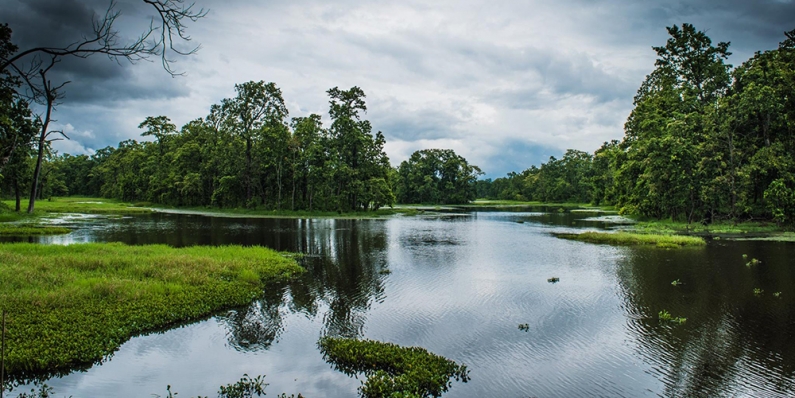
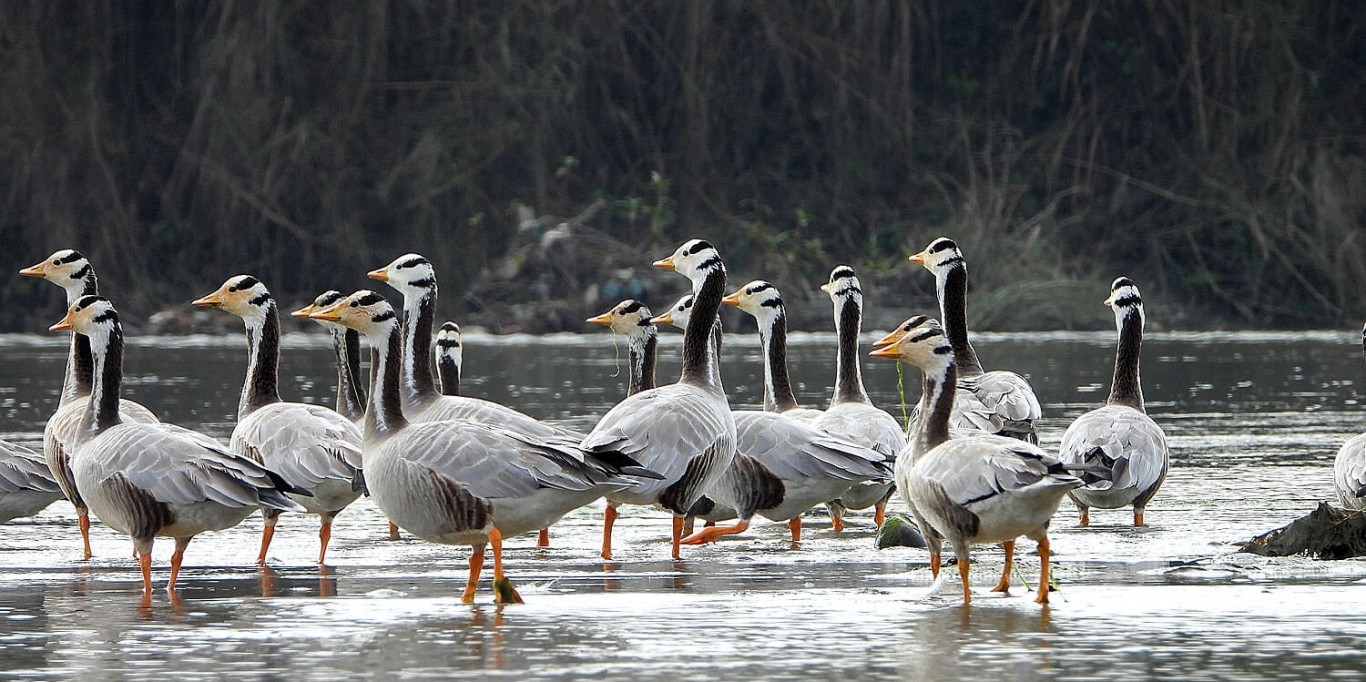
Every January, Nepal conducts a comprehensive census of aquatic birds across its water bodies and wetlands, with the results typically reported in April or May. This year, the nationwide bird count commenced with the participation of approximately 350 ornithologists, birding enthusiasts, nature guides, and volunteers. Led by senior ornithologist Hem Sagar Baral, the count is underway in various regions including Kathmandu Valley, Chitwan, Koshi areas, and Pokhara. Teams are actively surveying sites such as the Manohara and Bagmati rivers, Taudaha Lake, and Ramsar wetland sites like Jagadishpur Lake, Bishajari Lake, and Ghodaghodi Lake. Additionally, the census will cover other significant areas like the Lumbini region, Rapti River, Dhanusha, Dang, Makawanpur, and Gaidahawa, along with Shuklaphanta National Park, Nawalpur, and Bardiya. The endeavor, slated to conclude on January 21, is supported by Himalayan Nature and Wetlands International, with involvement from organizations like Bird Conservation Nepal and Pokhara Bird Society. Using advanced equipment such as telescopes, binoculars, GPS devices, sound recorders, and cameras, ornithologists employ the direct method to count the birds accurately. This meticulous effort aids in understanding the dynamics of bird populations, assessing the impact of climate change on ecosystems, and formulating conservation strategies. Furthermore, the census serves as a vital tool for promoting birding tourism, a sector that attracts around eight percent of Nepal's foreign visitors annually. With over 150 species of migratory birds, including more than 100 water bird species, arriving in Nepal each winter from countries like Siberia, China, and Mongolia, the census provides crucial insights into their patterns and habitats. Despite the importance of these efforts, conservationists express concern over the declining population of aquatic birds in Nepal. Factors contributing to this decline include habitat loss due to shrinking wetlands, pesticide use in agricultural areas, hazards like unsafe electricity lines, hunting, and the overarching influence of climate change. By conducting these annual bird counts and addressing the challenges faced by aquatic birds, Nepal aims to safeguard its rich avian biodiversity while fostering sustainable tourism and conservation practices.