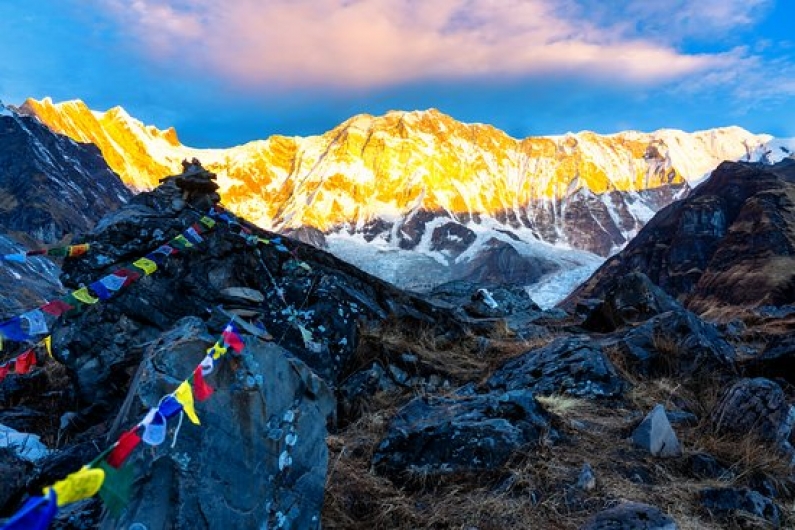
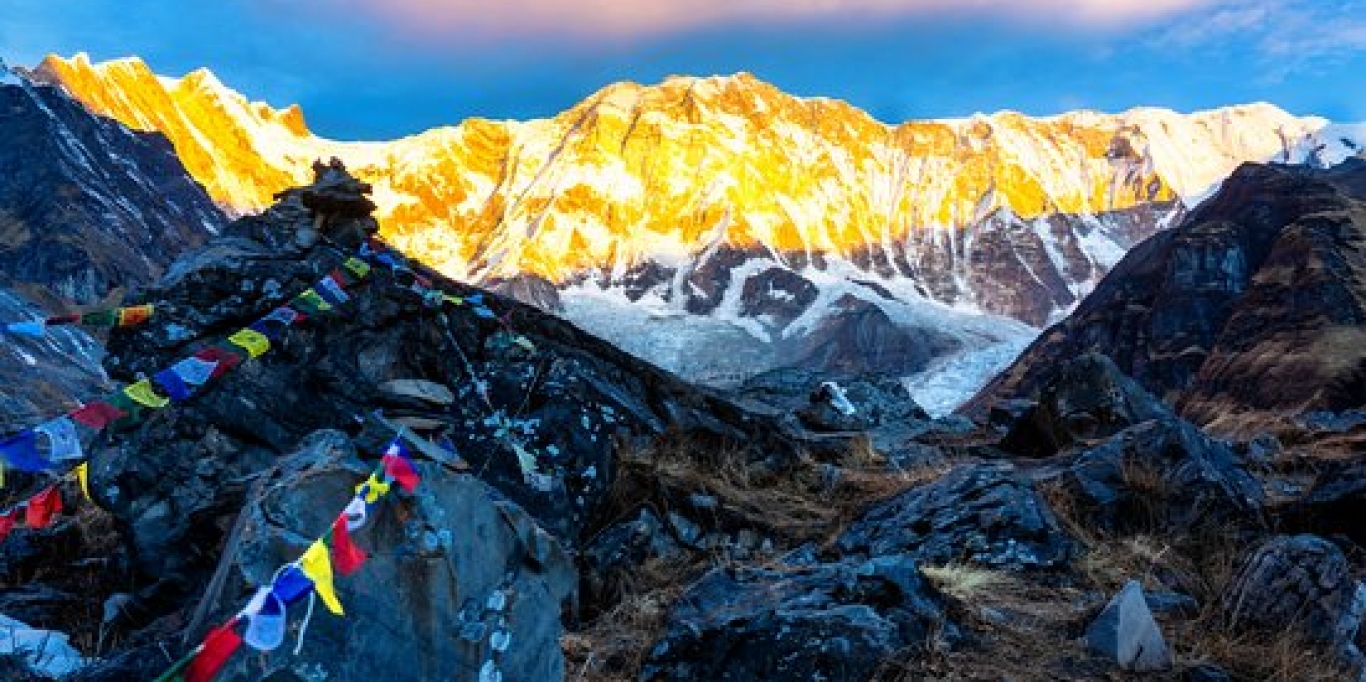
"Tucked away in the heart of the Himalayas, the Annapurna Range stands as one of the most breathtaking and challenging mountain ranges on Earth."
The Annapurna Range, located in northern Nepal, is one of the most iconic mountain systems in the world. Known for its staggering peaks, diverse ecosystems, and rich cultural significance, it attracts trekkers, climbers, and adventure seekers from across the globe. The range is part of the greater Himalayan mountain system, which stretches across several countries in South Asia, and forms a natural barrier between the highlands of Tibet and the lowlands of Nepal. With its treacherous terrains and stunning landscapes, the Annapurna Range offers a unique combination of natural beauty and spiritual significance.
Nestled in northern Nepal, the Annapurna Range stretches like a frozen giant, offering some of the world’s most awe-inspiring landscapes."
The Annapurna Range lies in the central part of Nepal, rising dramatically above the Pokhara Valley. It stretches about 55 kilometers from east to west and is bordered by the Dhaulagiri Range to the west and the Manaslu Range to the east. This spectacular range is located within the Annapurna Conservation Area (ACA), a protected region that offers trekkers a rare glimpse into the natural wonders and vibrant cultural heritage of Nepal. From the bustling city of Pokhara, a gateway to the Annapurna region, trekkers can access the base of these towering peaks, and the journey to the range itself is as breathtaking as the mountains that surround it.
"The Annapurna Range isn’t just a single mountain but a series of towering peaks that draw adventurers from across the globe."
The Annapurna Range is home to some of the most formidable mountains on the planet. Annapurna I, the highest peak in the range, rises to a formidable 8,091 meters (26,545 feet) and is the 10th highest mountain in the world. Its sheer size and imposing presence are both awe-inspiring and intimidating. Alongside Annapurna I are other notable peaks, such as Annapurna II (7,937 meters), Annapurna South (7,219 meters), and the iconic Machapuchare (Fishtail Mountain), which remains unclimbed due to its sacred significance in local culture. Each of these peaks presents its own challenges for climbers and trekkers, making the range an exceptional destination for mountaineering.
"Widely regarded as one of the best trekking circuits in the world, the Annapurna Circuit offers a perfect mix of natural beauty, cultural immersion, and thrilling challenges."
The Annapurna Circuit, often described as one of the most beautiful treks in the world, takes trekkers on a journey through diverse landscapes. The trail winds through subtropical forests, alpine meadows, and deserts, offering a glimpse of the various ecosystems that exist within the region. One of the most popular sections is the ascent to Thorung La Pass, the highest point on the circuit at 5,416 meters. The panoramic views of the surrounding peaks are simply spectacular. Along the way, trekkers can visit remote villages, Buddhist monasteries, and temples, providing an unforgettable mix of nature and culture. The trek takes you through a range of environments, from tropical rainforests to cold, arid deserts, all while offering glimpses of life in rural Nepal.
"While its beauty is undeniable, Annapurna’s extreme conditions make it one of the most dangerous mountains to climb in the world."
Despite its allure, Annapurna has a notorious reputation among mountaineers as one of the most dangerous mountains to climb. With a fatality rate of around 32%, the mountain poses a significant challenge to climbers. The unpredictable weather conditions, difficult terrain, and frequent avalanches contribute to the perilous nature of the climb. While Annapurna I is revered for its grandeur, it’s also feared by climbers who must contend with its steep slopes, technical climbs, and the dangers of high-altitude mountaineering. Many famous expeditions have attempted, but only a few have succeeded. For those brave enough to venture to the summit, the rewards are unparalleled views and a tremendous sense of accomplishment.
"Beyond its towering peaks, the Annapurna region is home to a rich diversity of life that thrives in one of the most rugged and remote areas on Earth."
The Annapurna region is a biodiversity hotspot, home to a vast range of plant and animal species that adapt to the varied climatic conditions found here. From subtropical forests to alpine meadows, the flora ranges from lush rhododendron trees to rare medicinal plants. The fauna includes snow leopards, Himalayan tahr, and red pandas, as well as over 500 species of birds. The Annapurna Conservation Area Project (ACAP) plays a vital role in conserving these species and the ecosystems they inhabit. Trekkers might spot wildlife during their journey, adding another layer of fascination to the already awe-inspiring landscape.
"The Annapurna region isn’t just a trekker's paradise; it’s a vibrant cultural landscape where ancient traditions and modern influences intertwine."
The Annapurna region offers more than just natural beauty; it is also a rich cultural tapestry. Along the trekking routes, visitors can immerse themselves in the lives of local communities such as the Gurung, Magar, and Thakali people. These indigenous groups have lived in the region for centuries, and their traditions, festivals, and customs add a unique dimension to the trekking experience. Muktinath, a sacred pilgrimage site, and various monasteries along the route offer insight into the spiritual practices of the region’s inhabitants. The hospitality of the local people adds warmth and depth to the trekking experience, making the Annapurna region not just a journey through nature, but a journey through time and culture.
"Timing your visit to the Annapurna region can make all the difference between a pleasant trek and a battle against the elements."
The best time to trek in the Annapurna region is during the spring (March to May) and autumn (September to November) months. During these periods, the weather is stable, skies are clear, and temperatures are moderate. Spring is the time when rhododendrons bloom, painting the landscape in vibrant colors, while autumn offers the clearest views of the mountain peaks. Winter (December to February) can be harsh, with cold temperatures and snow, while the monsoon season (June to August) brings heavy rains, making trekking difficult and dangerous.
"Reaching the Annapurna Range requires more than just a strong will – you'll need to navigate Nepal’s winding roads and bustling cities."
Getting to the Annapurna region requires a bit of planning and effort. Most trekkers start their journey in Kathmandu, Nepal’s capital, before heading to Pokhara, which can be reached by bus, private vehicle, or flight. The drive from Kathmandu to Pokhara offers scenic views of the Nepalese countryside, though it can take up to six hours. From Pokhara, trekkers can take local buses or jeeps to the trailheads for popular treks such as the Annapurna Circuit or the ABC (Annapurna Base Camp) trek.
"For many, the Annapurna Range isn’t just a geographical marvel but a sacred and spiritual place, revered by both locals and trekkers alike."
The Annapurna range holds deep spiritual significance for both Hindus and Buddhists. The name "Annapurna" itself means "Goddess of the Harvest" in Sanskrit, and the mountain is considered a deity by local communities. Pilgrims visit Muktinath, a sacred temple near the base of the range, which is an important site for both Hindus and Buddhists. The sacred status of the mountains means that many local people regard them with reverence and care, adding a layer of respect and awe to anyone who visits.
"While the Annapurna region attracts thousands of visitors each year, preserving its beauty and culture requires careful planning and responsibility."
Sustainable tourism is a priority in the Annapurna region to protect its delicate ecosystems and preserve the traditional ways of life. The Annapurna Conservation Area Project (ACAP) is a key initiative in this effort, promoting eco-friendly trekking practices, responsible waste management, and conservation of natural resources. Trekkers are encouraged to respect the environment, minimize their impact, and support local businesses. By doing so, they help ensure that the Annapurna region remains a pristine and culturally rich destination for generations to come.
"Trekking in Annapurna can be a life-changing experience, but it requires proper preparation and some essential knowledge to make the most of your journey."
Before embarking on a trek in the Annapurna region, it’s essential to be well-prepared. Physical fitness is key, as many of the trails involve steep ascents and descents. Pack light but bring necessary gear like a warm jacket, sturdy boots, and a water purifier. Acclimatization is crucial due to the high altitudes, so take your time and don’t rush the journey. Respect local customs, interact with villagers, and remember to take plenty of photos to capture the beauty of the region.
"Whether you're an adventure seeker, a nature lover, or a cultural enthusiast, the Annapurna Range offers something for everyone – an experience you’ll remember for a lifetime."
The Annapurna Range is truly a place where nature, culture, and adventure meet. From its towering peaks and rich biodiversity to its spiritual significance and welcoming communities, there’s no shortage of wonder in this Himalayan paradise. Whether you’re looking to conquer a summit, experience vibrant cultures, or simply enjoy the breathtaking landscapes, the Annapurna region should be on every adventurer’s bucket list. Start planning your journey and immerse yourself in the magic of the Annapurna Himalayan Range.