Nepal’s Far Western Province holds a treasure trove of natural beauty, rich cultural heritage, and prime tourism potential. Yet, despite its close proximity to India, a major tourist market, the region continues to face major hurdles in its tourism development. The lack of collaboration between the government and private sector has left many opportunities unexplored.
According to Dipak Bahadur Khadka, President of the Hotel Entrepreneurs Association, the number of tourists has noticeably declined, creating severe economic strain on local businesses. Without a unified strategy or substantial government support, the tourism sector struggles to thrive.
One of the biggest missed opportunities? The Indian tourism market. Despite Nepal’s geographical advantage, Indian tourist arrivals have stagnated for 14 years. A lack of targeted promotions, infrastructure improvements, and policy alignment has prevented this high-potential market from flourishing.
Several key regions highlight the disparities in Nepal’s tourism sector:
Shuklaphanta National Park hosted 36,098 tourists in the last 13 years, mainly from India, but growth remains sluggish.
Khaptad National Park has seen a rise in foreign tourists but struggles to attract domestic travelers.
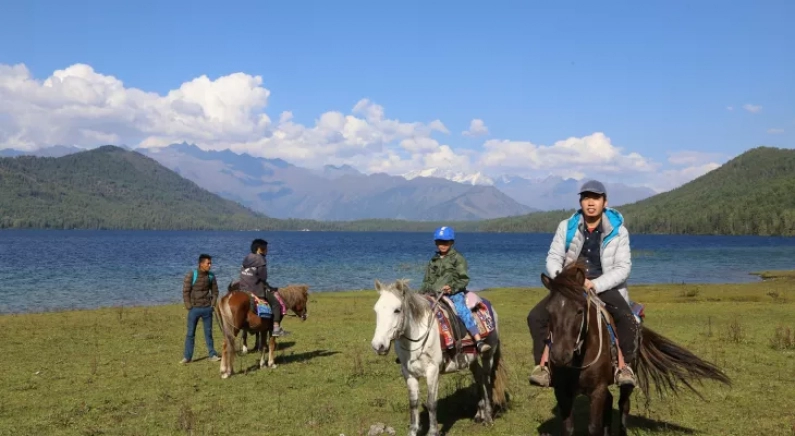
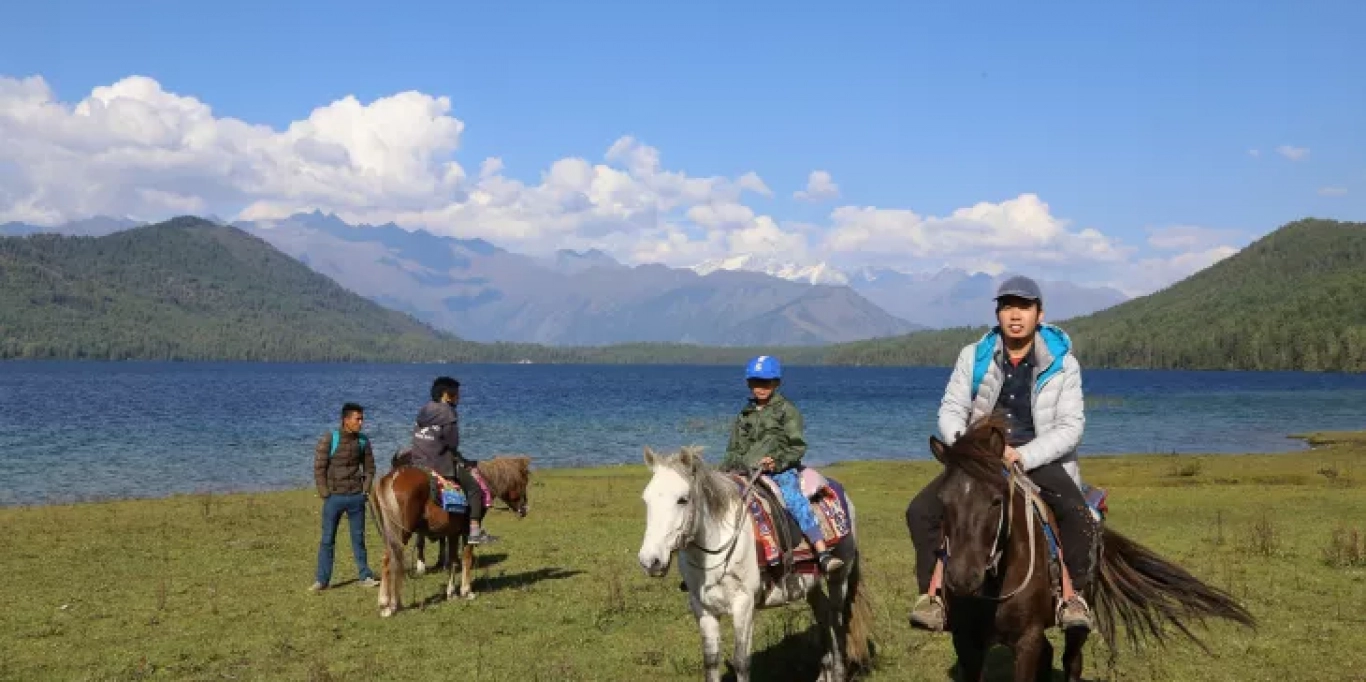
Rara Lake in Karnali enjoys growing domestic visits, yet the international tourist market remains untapped.
Such figures indicate regional imbalances in tourism, ineffective marketing efforts, and underutilization of Nepal’s diverse attractions.
Another issue hampering tourism growth is the inconsistent entrance fees across different tourist sites. Charges range from 10 to 500 Nepalese Rupees, depending on whether visitors are domestic or foreign. This lack of standardization discourages international tourists and creates confusion for local travelers. A well-structured pricing strategy is essential to encourage more visitors while ensuring sustainable conservation efforts.
A closer look at the Annapurna Conservation Area further reveals an interesting trend: while foreign tourists flock to Nepal’s iconic trekking destinations, Nepali tourists rarely visit sites frequented by international travelers. This disconnect between domestic and foreign tourism markets highlights the need for a more integrated tourism strategy that encourages Nepalese travelers to explore their own country while attracting diverse international visitors.
For Nepal’s Far Western Province to unlock its full tourism potential, a collaborative approach is critical. Key steps include:
✅ Strengthening partnerships between government and private enterprises
✅ Targeted promotional campaigns in India and other key markets
✅ Developing regional infrastructure and improving accessibility
✅ Standardizing entrance fees for a fairer and more attractive pricing system
✅ Encouraging cross-promotion between domestic and international tourism hubs
The time for action is now. Nepal has everything it needs to become a top travel destination, but without a unified strategy and investment in tourism, the region will continue to face stagnation. By working together, we can transform Nepal’s Far Western Province into a thriving tourism hub, benefiting local businesses, travelers, and the national economy alike.