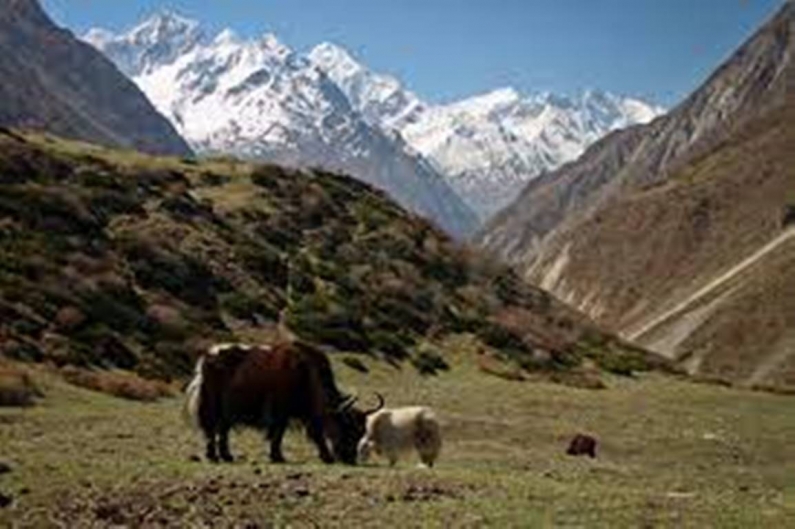
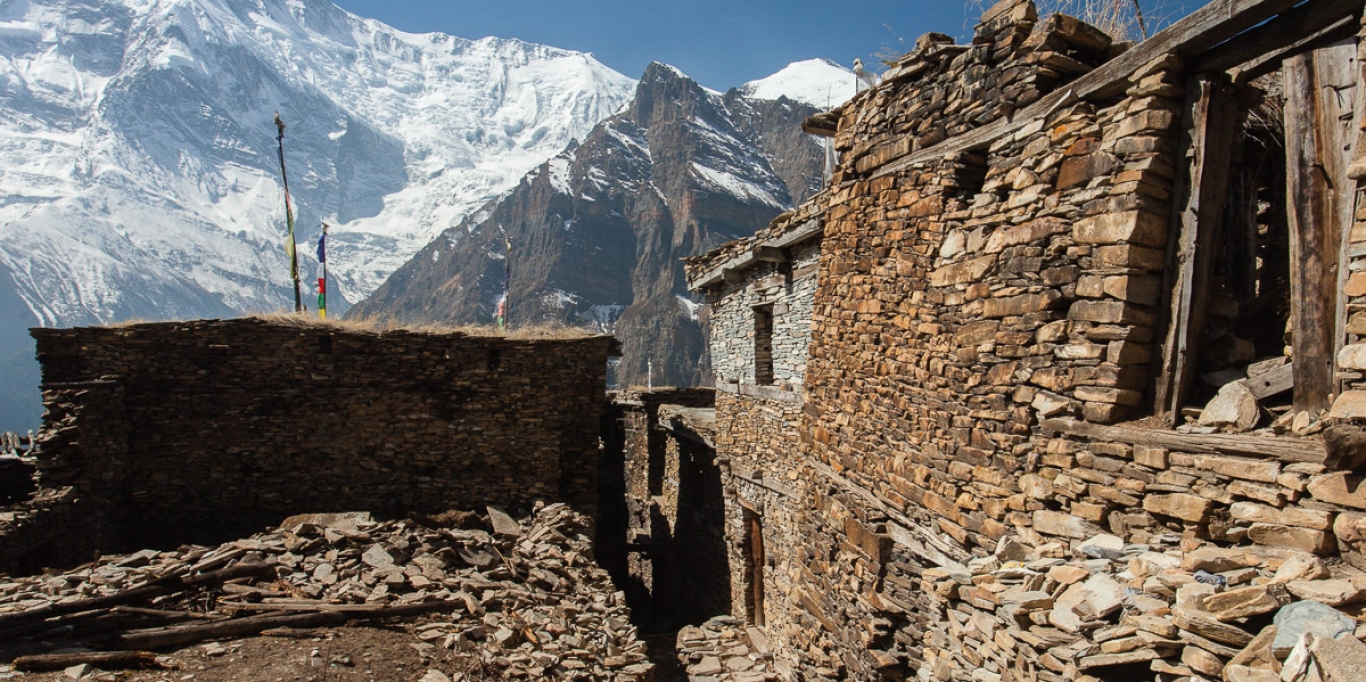
Nestled within the majestic Himalayas of Nepal lies the serene and untouched Tsum Valley, a haven for eco-tourism enthusiasts seeking to immerse themselves in nature while treading lightly on the environment. Tsum Valley, also known as the "Hidden Valley of Happiness," offers a unique opportunity to explore pristine landscapes, cultural treasures, and diverse wildlife sustainably and responsibly.
As visitors venture into the heart of Tsum Valley, they are greeted by breathtaking vistas of snow-capped peaks, lush forests, and meandering rivers. The valley is home to a rich biodiversity, including rare species such as the snow leopard, Himalayan tahr, and red panda, making it a paradise for wildlife enthusiasts and nature photographers.
However, the allure of Tsum Valley goes beyond its natural beauty. The region is steeped in cultural heritage, with ancient monasteries, chortens, and prayer flags dotting the landscape. Visitors have the opportunity to interact with the local communities, predominantly inhabited by the Tsumbas, who follow Tibetan Buddhist traditions and maintain a deep connection with the land.
To ensure the preservation of Tsum Valley's pristine environment and cultural heritage, eco-tourism practices are paramount. Local authorities and community-based organizations have implemented various initiatives to promote responsible tourism, including waste management programs, sustainable trekking routes, and conservation efforts.
Visitors are encouraged to minimize their ecological footprint by practicing Leave No Trace principles, respecting wildlife and local customs, and supporting eco-friendly accommodations and businesses. Guided trekking tours led by knowledgeable local guides offer insights into the region's ecology, culture, and conservation initiatives, fostering a deeper appreciation for Tsum Valley's natural and cultural treasures.
By embracing eco-tourism principles, travelers can experience the beauty of Tsum Valley while contributing to its long-term sustainability and preservation. Together, we can ensure that future generations have the opportunity to marvel at the wonders of this pristine Himalayan sanctuary.