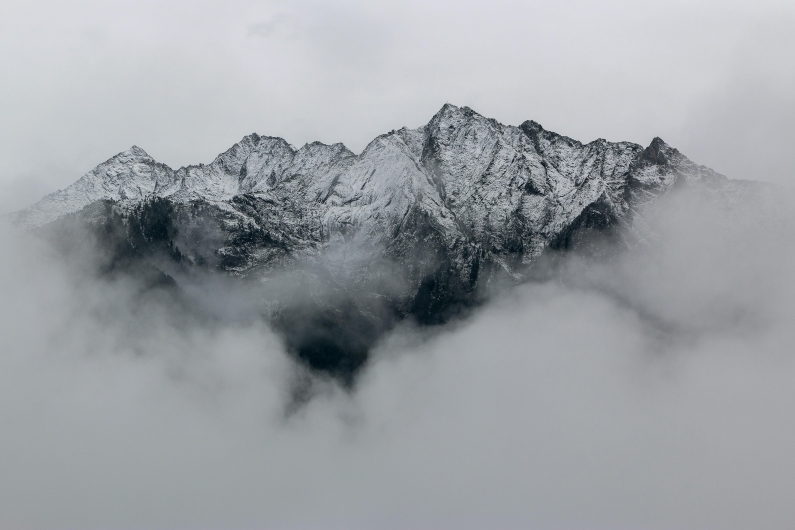
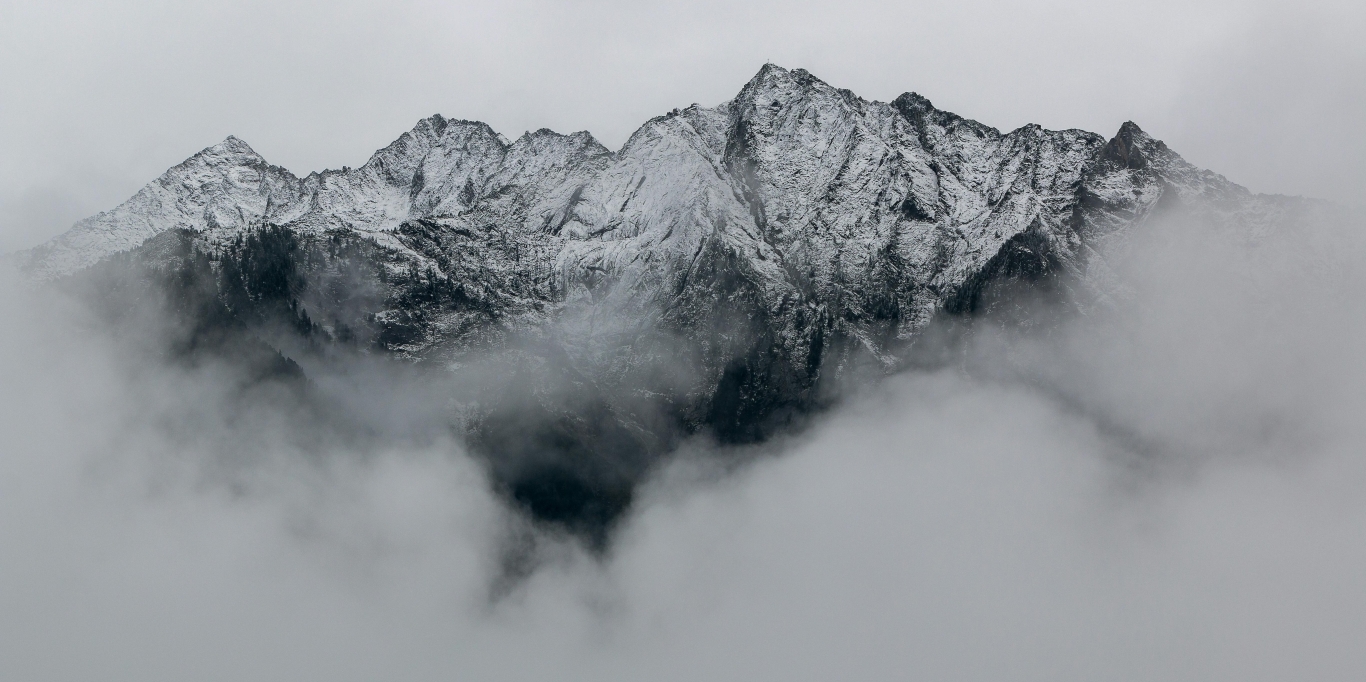
Have you ever dreamed of trekking through the world’s highest mountains, immersing yourself in a rich culture, and standing face-to-face with the majestic Mount Everest? The Khumbu region, located in the northeastern part of Nepal, offers all this and more.
As the gateway to Everest, it’s a place where adventure and culture blend seamlessly, making it one of the most sought-after destinations for trekkers and mountaineers alike.
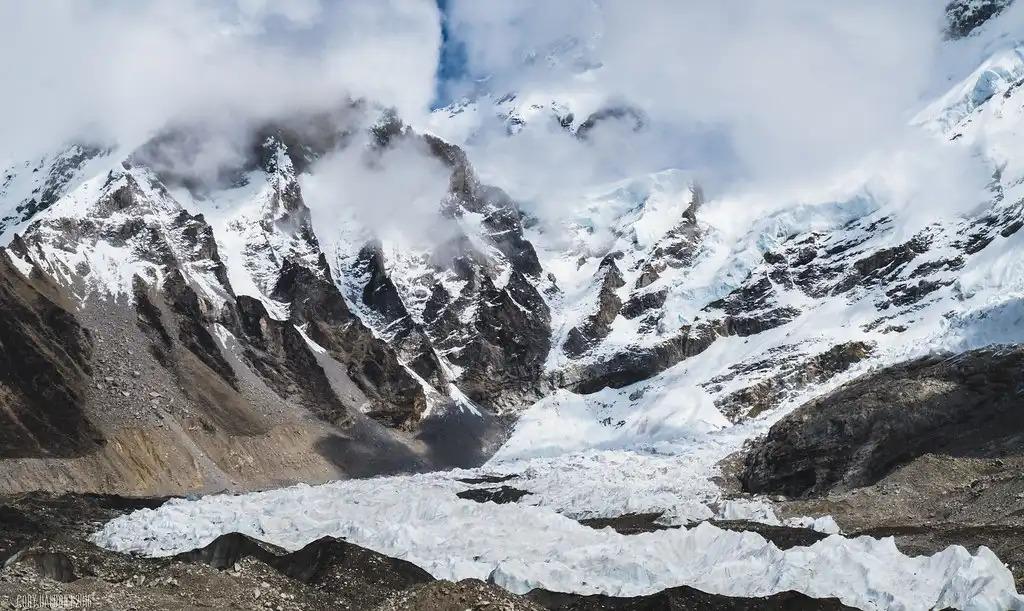 The Khumbu region, tucked away in the northeastern corner of Nepal, is unlike any place you’ve ever seen. It’s not just a part of the Himalayas; it’s a world of its own. Famous for Mount Everest, the world’s highest peak at 8,848 meters (29,029 feet), and home to the Sherpa people, this region is a cultural and geographical gem.
The Khumbu itself ranges from about 2,800 meters (9,186 feet) in the valley to the towering peaks of Everest and surrounding mountains that soar well above 8,000 meters. Whether you’re an avid mountaineer or simply looking for an adventure, Khumbu promises experiences you’ll never forget.
Picture this: a region where towering peaks, glaciers, and valleys create a landscape that takes your breath away at every turn. The Khumbu, part of the larger Sagarmatha National Park, is nestled in Nepal’s Solu-Khumbu district. Its proximity to the Tibetan Plateau and the Himalayas means it’s home to some of the most awe-inspiring scenery in the world, including the iconic Everest. A trek here is an immersion in nature at its most raw and beautiful.
In Khumbu, culture is as vital as the mountains themselves. The Sherpa people, renowned for their mountaineering skills, are at the heart of the region. These resilient and warm-hearted individuals are the unsung heroes of Everest expeditions, guiding climbers and trekkers up the rugged trails. Their villages, like Namche Bazaar, serve as welcoming hubs for those embarking on the trek of a lifetime. To visit Khumbu is to experience the spirit of the Sherpas firsthand, learning their language, traditions, and deep reverence for the mountains.
Mount Everest isn't just a mountain—it’s a symbol of human aspiration and spiritual reverence. Standing at 8,848 meters, Everest dominates the Khumbu region, drawing climbers and adventurers from around the world. For the Sherpas, Everest holds deep cultural and spiritual significance, being viewed not only as a challenge but as a sacred mountain. To trek in the shadow of Everest is to tap into a legacy of courage, endurance, and devotion.
The Khumbu region is a paradise for trekkers. Whether you’re aiming for Everest Base Camp or exploring the serene Gokyo Lakes, the region offers treks that range from moderate to challenging. Imagine trekking through remote villages, surrounded by snow-capped peaks, with the air crisp and thin. Each step is a challenge, but the views are rewards beyond your wildest dreams. The best times to visit are during spring (March to May) and autumn (September to November), when the weather is just perfect for trekking.
Step into a sanctuary of nature with a visit to Sagarmatha National Park, a UNESCO World Heritage Site. This park, rich in biodiversity, is home to rare creatures like the snow leopard and red panda. It’s a place where conservation and adventure come together, reminding us of our duty to protect the fragile ecosystems of the Himalayas. The park also plays a crucial role in preserving the delicate balance between tourism and nature.

If you’re dreaming of standing at the foot of Everest, the Everest Base Camp Trek is the ultimate goal. This trek takes you from Lukla to the base camp at 5,364 meters, passing through famous villages like Namche Bazaar and Tengboche. Along the way, you’ll witness awe-inspiring views of peaks like Lhotse and Makalu. Acclimatization is key on this trek to avoid altitude sickness, and you’ll need to be ready for a physically demanding journey through tough terrain and unpredictable weather.
Staying in the Khumbu region offers a chance to embrace simplicity and warmth in the high altitudes. The region is dotted with tea houses, lodges, and basic guesthouses that provide the essentials for trekkers. While the accommodations are often basic, the hospitality is unparalleled. At higher altitudes, amenities can be sparse, so it's important to be prepared for a comfortable but minimalist stay.
The weather in Khumbu is as unpredictable as the mountains themselves. In the summer, the region is warm, but once you climb higher, temperatures can drop drastically, especially during the winter. Trekking in Khumbu requires careful planning, including bringing the right clothing and gear to handle fluctuating weather. Spring and autumn are the ideal times to visit, as the weather is more stable and offers the clearest views of Everest.
The Khumbu region is home to an incredible array of plant and animal life. From the lush rhododendron forests to alpine meadows, the biodiversity is striking. The region is home to rare species like yaks, Himalayan tahr, and the elusive snow leopard. It’s also crucial in preserving endangered species, as the unique ecosystems here face increasing pressures from tourism and climate change.
Trekking in the Khumbu region is not for the faint of heart. The high altitude, uneven terrain, and unpredictable weather can make it a challenging experience. Altitude sickness is a serious concern, which is why acclimatization is critical. Trekking here requires both mental and physical preparation, but the rewards are well worth the effort. Are you ready to take on the challenge?
Tourism has transformed the Khumbu region economically. Trekking and mountaineering expeditions contribute to the livelihoods of local communities, providing income to Sherpa guides, porters, and hospitality businesses. However, with this influx of tourism comes the need for responsible practices. By supporting local businesses and eco-friendly initiatives, trekkers can help preserve the region’s delicate environment while benefiting the community.
The Khumbu region faces increasing challenges due to tourism. As travelers, it’s essential to adopt responsible practices—reducing waste, respecting local culture, and minimizing our environmental footprint. By supporting initiatives that prioritize sustainability, we can help ensure that future generations can experience the beauty of Khumbu without harming its fragile ecosystems.
The Khumbu region offers an adventure unlike any other—a place where mountains, culture, and spirit converge. From the towering peaks of Everest to the welcoming Sherpa villages, it’s a destination that will leave a lasting impression. But it’s also a challenging environment that requires careful preparation and respect for the region’s natural and cultural heritage. If you’re ready for an unforgettable adventure, Khumbu awaits.
Are you ready to step into the heart of the Himalayas and experience the magic of the Khumbu region?