Are you looking for an unforgettable trekking experience in the Himalayas? Ghorepani Poon Hill Trekking, a popular trek in Nepal, offers an ideal mix of cultural immersion, natural beauty, and a glimpse of the towering peaks of the Annapurna range. This trek is perfect for both beginners and seasoned trekkers who want to explore the diverse landscapes of Nepal’s Annapurna region.
In this guide, we’ll cover everything you need to know about the Ghorepani Poon Hill Trekking: the route, the best times to go, what to expect, and how to prepare for this spectacular journey. Whether you're an avid traveler or a casual trekker, this guide will provide you with valuable insights to help you make the most of your trekking adventure.
What is Ghorepani Poon Hill Trekking?
The Ghorepani Poon Hill Trekking is one of the most popular short treks in Nepal, renowned for its breathtaking views of the Annapurna and Dhaulagiri mountain ranges. Starting from the bustling town of Pokhara, the trek takes you through charming villages, lush forests, and terraced fields.
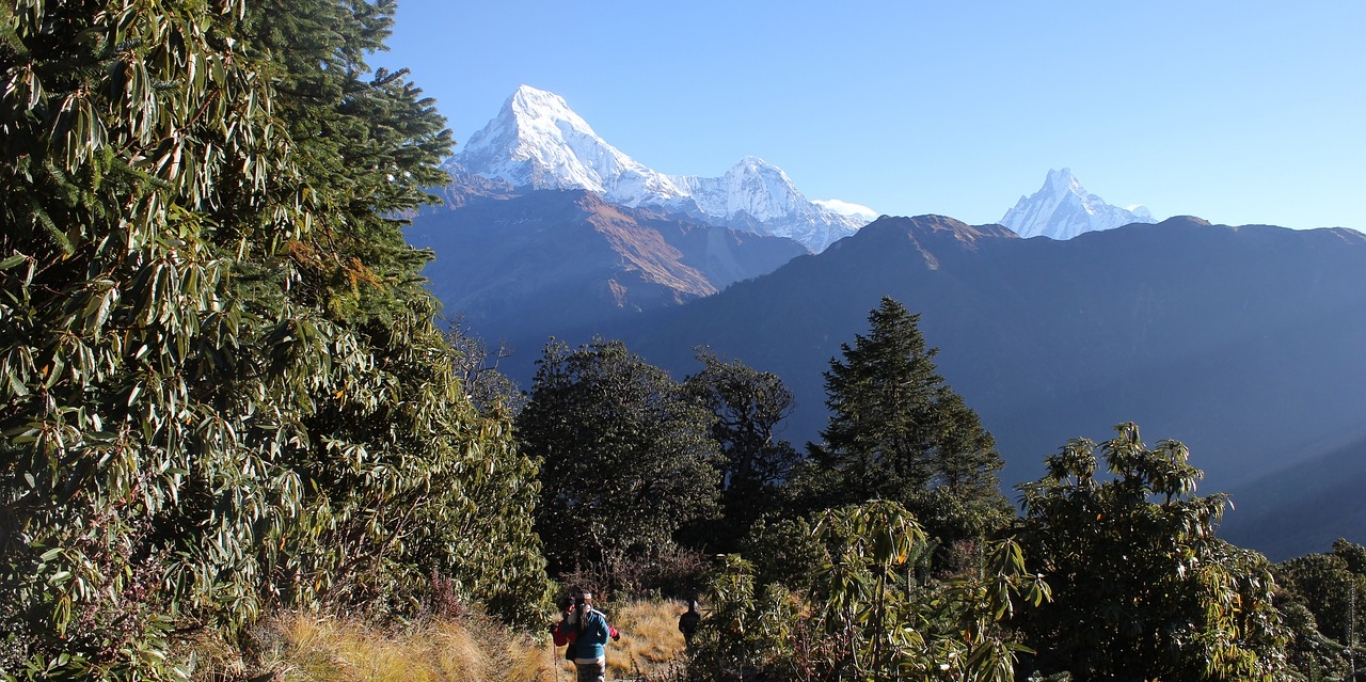
The highlight of this trek is the sunrise from Poon Hill, which offers a panoramic view of the Annapurna and Dhaulagiri mountains, including the mighty Machapuchare (Fishtail Mountain).
The Ghorepani Poon Hill Trek is perfect for those with limited time but a desire to experience the beauty of the Himalayas. With a duration of just 4 to 5 days, it offers a quick yet rewarding trek through the stunning Annapurna region. This makes it one of the most accessible treks for travelers who want to immerse themselves in nature without committing to a longer trek.
One of the main highlights of this trek is the breathtaking panoramic mountain views. Trekkers are treated to stunning vistas of Annapurna I, II, III, Dhaulagiri, and the iconic Machapuchare (Fishtail Mountain). These views, especially from Poon Hill at sunrise, are sure to leave a lasting impression on any trekker.
Along the trail, trekkers will also have the opportunity to experience the rich culture of the local communities. The villages along the route are home to the Gurung, Magar, and Brahmin people, offering an authentic cultural experience that adds depth to the trek.
The trek’s moderate difficulty makes it suitable for both beginners and intermediate trekkers, and with minimal permit requirements—just the TIMS card and the Annapurna Conservation Area Permit—it’s an easy trek to organize and enjoy.
The Ghorepani Poon Hill Trek typically begins in Pokhara, a beautiful lakeside city known as the gateway to the Annapurna region. From Pokhara, trekkers travel to Nayapul, the starting point of the trek, and then proceed on foot through a series of charming villages.
On Day 1 of the Ghorepani Poon Hill Trek, you’ll begin your journey with a drive from Pokhara to Nayapul, which takes about 1.5 hours. From Nayapul, the trek to Tikhedhunga or Ulleri, a small village situated at around 1,500 meters, begins.
The walk is relatively easy, passing through terraced fields and small villages and crossing several suspension bridges along the way. This part of the trek takes about 4-5 hours, offering a gentle introduction to the adventure ahead.
On Day 2, the trek continues from Tikhedhunga or Ulleri towards Ghorepani, located at 2,850 meters. The trail steadily climbs, taking you through lush rhododendron forests and charming villages.
During spring, the vibrant bloom of rhododendrons adds an extra layer of beauty to the surroundings. The journey to Ghorepani takes about 6-7 hours, so be prepared for a more challenging day of walking.
Day 3 begins with an early morning hike to Poon Hill, at 3,210 meters, to witness one of the most breathtaking sunrises over the Annapurna and Dhaulagiri mountain ranges. The golden light on the snow-capped peaks creates a magical atmosphere.
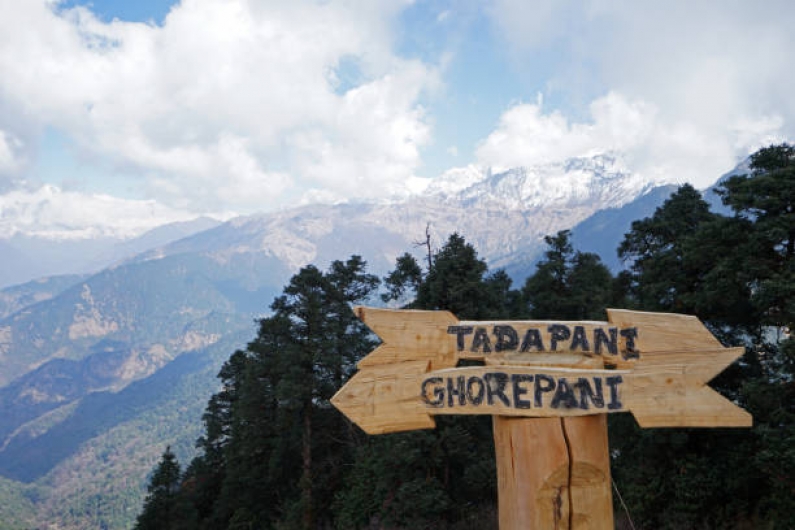
After soaking in the views, you’ll return to Ghorepani for breakfast and then continue your trek to Tadapani. The walk to Tadapani takes about 4-5 hours, passing through beautiful forests and small villages along the way.
On the final day, Day 4, the trek descends to the village of Ghandruk, a picturesque Gurung village offering fantastic views of Annapurna South, Hiunchuli, and Machapuchare.
From Ghandruk, you’ll either take a jeep or enjoy a short trek back to Nayapul, where your trek officially ends. A short drive from Nayapul will bring you back to Pokhara, concluding your memorable trekking adventure.
If you have additional time, you may choose to extend your trip by spending a day in Kathmandu for sightseeing before or after the trek.
Kathmandu offers a wealth of cultural and historical attractions, including UNESCO World Heritage Sites such as Swayambhunath (Monkey Temple), Boudhanath Stupa, and Pashupatinath Temple. Taking a day to explore the capital city can be a perfect way to complete your Nepalese adventure.
The best times to trek the Ghorepani Poon Hill Trail are during the spring (March to May) and autumn (September to November). Spring is particularly popular for trekking because of moderate temperatures and pleasant weather conditions.
During this time, the trail is adorned with vibrant rhododendron blooms, which add a burst of color to the landscape. Clear skies provide trekkers with excellent visibility, offering stunning views of the Annapurna and Dhaulagiri mountain ranges. Spring is ideal for those who enjoy comfortable temperatures and beautiful natural surroundings.
Autumn (September to November) is another perfect time for the Ghorepani Poon Hill trek. The weather is stable, with clear skies and mild temperatures, making trekking enjoyable. The post-monsoon season leaves the landscape lush and green, offering vibrant views of the surrounding forests, fields, and mountain vistas.
This season provides the best of both worlds—ideal trekking conditions and spectacular scenery—without the extreme cold of winter or the heavy rains of the monsoon.
While winter (December to February) may be less popular due to colder temperatures, it offers a unique experience for those seeking a quieter, more peaceful trek. The trails are less crowded, allowing trekkers to enjoy the serenity of the region. Snow at higher altitudes transforms the landscape into a winter wonderland, providing a magical atmosphere.
However, winter trekking requires careful preparation, as temperatures can drop significantly, especially in the mornings and evenings. Those prepared for the cold can enjoy a tranquil trek with stunning snowy vistas.
The worst time to trek in the Ghorepani Poon Hill region is during the monsoon season, from June to August. The heavy rainfall during this period makes the trails slippery and prone to landslides, creating hazardous conditions for trekkers.
Constant rain also results in fog and cloud cover, obscuring the breathtaking mountain views that make the trek so memorable. The poor visibility, along with the muddy trails, makes the experience much less enjoyable, and trekking becomes more difficult and risky.
In addition to the rain, the increased risk of landslides and flooding during the monsoon season makes it the least ideal time for trekking. The weather conditions are often unpredictable, and the heavy rainfall can cause delays or prevent safe passage on certain sections of the trail.
While the region may be lush and green during the monsoon, the trail conditions and obstructed views make it the least recommended time to experience the Ghorepani Poon Hill trek. It is best to avoid this period unless you are an experienced trekker prepared for wet and slippery conditions.
Packing the right clothing is essential for a comfortable and successful trek to Ghorepani Poon Hill. You'll need lightweight trekking pants and shirts made from quick-dry materials to ensure you stay comfortable during your journey. A fleece or down jacket is important for warmth, especially during chilly mornings or evenings at higher altitudes.
A waterproof jacket and pants are crucial for protecting yourself from rain, and thermal base layers are highly recommended, especially in winter months. Don't forget a comfortable pair of trekking boots with ankle support, which are vital for traversing the varied terrain of the trek. A warm hat, gloves, and scarf will also come in handy for the cold mornings at Poon Hill.
In addition to clothing, several accessories can make your trek easier and more enjoyable. Sunglasses with UV protection, sunscreen, and lip balm with SPF will shield your skin from the harsh sun at higher altitudes. Trekking poles, while optional, can provide extra stability on steep or slippery sections of the trail.
A water bottle or hydration system is essential for staying hydrated throughout the trek, particularly when walking for long hours. A small daypack is useful for carrying essential items like snacks, a camera, and a light jacket. Speaking of which, a camera is a must for capturing the stunning views of the Annapurna and Dhaulagiri mountain ranges, as well as the vibrant local culture along the way.
There are a few additional items you should pack for your safety and convenience during the Ghorepani Poon Hill Trek. A first aid kit is essential and should include basic items such as painkillers, band-aids, and altitude sickness medication.
A power bank is highly recommended, as charging options can be limited during the trek, especially at remote teahouses. A flashlight or headlamp, along with extra batteries, is necessary for early morning hikes or any unforeseen power outages at guesthouses.
These miscellaneous items will help you stay prepared for any situation that arises on the trail.
When preparing for the Ghorepani Poon Hill Trek, a well-thought-out packing list is essential. Along with your clothing essentials, be sure to bring key accessories and tools to enhance your trek. Items like sunscreen, trekking poles, a camera, and a daypack are important to ensure comfort and convenience throughout your journey.
Additionally, remember to pack a first aid kit, power bank, and flashlight to cover all safety and practical needs. Proper preparation ensures a smooth and enjoyable trekking experience.
Packing the right gear for the Ghorepani Poon Hill Trek is crucial for comfort, safety, and success. The trek takes you through varying landscapes and altitudes, where weather conditions can change rapidly. Proper clothing, essential accessories, and miscellaneous items can make a significant difference in your trekking experience. When you're prepared with the right gear, you can focus on enjoying the stunning views, local culture, and the beauty of the Annapurna region.
Before you head out, take a moment to review your packing list and ensure you have all the essentials for the Ghorepani Poon Hill Trek. Prioritize lightweight, functional clothing, and don't forget to pack sun protection and hydration tools. Accessories like trekking poles, a camera, and a small daypack will make your trek easier and more enjoyable. Finally, always pack a few safety items like a first aid kit, power bank, and flashlight to ensure you're prepared for whatever the trail may bring.
Although the Ghorepani Poon Hill Trek is considered a moderate trek, it’s important to take precautions to ensure your safety and well-being during the journey.
The Ghorepani Poon Hill Trek is a relatively short trek, making it an ideal choice for trekkers with limited time. Typically, the entire trek lasts between 4 to 5 days, depending on your pace and whether you add extra rest days. Here's a brief overview of the trek's duration:
While the distance of the trek is relatively short—about 40 to 50 kilometers—the altitude gain and terrain can make it feel more challenging than expected. Therefore, it’s important to pace yourself and take necessary breaks.
Additionally, the duration of your trek may be extended based on the trip you have booked. Some itineraries include rest days or alternative routes for a more leisurely experience. Always check your trek itinerary in advance to make the most of your journey.
The Ghorepani Poon Hill trekking price can vary depending on whether you choose a budget or luxury package, as well as the services included. On average, a basic trek package, including a guide, porter, meals, and accommodation, can cost between $300 to $600 USD. However, if you prefer a more luxurious experience with upgraded accommodation or private services, the cost could go up to around $800 to $1,000 USD.
It's important to note that costs typically include necessary permits like the Annapurna Conservation Area Permit (ACAP) and the TIMS (Trekkers' Information Management System) card. While meals and accommodation along the route are reasonably priced, trekking independently could result in slightly lower costs, but opting for a Ghorepani Poon Hill trekking package might save you time and effort in organizing logistics.
The Ghorepani Poon Hill Trek is considered a moderate trek, making it an excellent choice for beginners and intermediate trekkers. Unlike more challenging treks, such as the Everest Base Camp or Annapurna Circuit, Ghorepani Poon Hill is relatively short in duration, and the altitude is not extreme—making it suitable for most healthy individuals.
However, there are some steep ascents and descents, especially when trekking from Tikhedhunga to Ghorepani and Ghorepani to Poon Hill. The total trek distance of around 40-50 kilometers requires a reasonable level of fitness, but with proper acclimatization and breaks, most trekkers can complete the journey comfortably.
The trek is perfect for those looking to experience the Himalayas without committing to a more physically demanding trek. If you're in good health and have some previous hiking experience, you will find the Ghorepani Poon Hill trek to be challenging yet rewarding.
Ghorepani is a small village located at an altitude of about 2,850 meters (9,350 feet). This elevation places it at a moderate height, making it one of the main resting points for trekkers on the Ghorepani Poon Hill Trek. From Ghorepani, trekkers continue the journey towards Poon Hill, which stands at 3,210 meters (10,531 feet) and offers one of the best panoramic views of the Annapurna and Dhaulagiri mountain ranges.
Ghorepani itself serves as an excellent stop for acclimatization, allowing trekkers to rest and prepare for the early morning hike up to Poon Hill to witness the spectacular sunrise.
The short answer: Yes! The Ghorepani Poon Hill Trek is absolutely worth it for several reasons. Here's why:
If you are looking for a trekking adventure that combines breathtaking views, cultural encounters, and moderate difficulty, the Ghorepani Poon Hill Trek is definitely worth it.
The Ghorepani Poon Hill Trekking offers a wonderful mix of culture, nature, and adventure, making it one of the most sought-after trekking routes in Nepal. Whether you're trekking for the stunning mountain views or to immerse yourself in the culture of the local communities, this trek will provide an unforgettable experience.
With its relatively moderate difficulty, this trek is ideal for beginners and seasoned trekkers alike. Plus, with the convenience of short-duration trekking, you can experience the Himalayas without committing to an extended trek. So, if you’re ready to take on the Ghorepani Poon Hill Trek, pack your bags and prepare for an adventure of a lifetime.