In today's fast-paced world, convenience often trumps caution. One such convenience is the ready availability of plastic bottled water. But amidst the rush, have you ever paused to ponder: is it safe to drink plastic bottled water for everyday use? In this comprehensive guide, we'll delve into this question, exploring the safety considerations, environmental impact, and alternatives to help you make an informed decision about your daily hydration habits.
Understanding Plastic Bottled Water
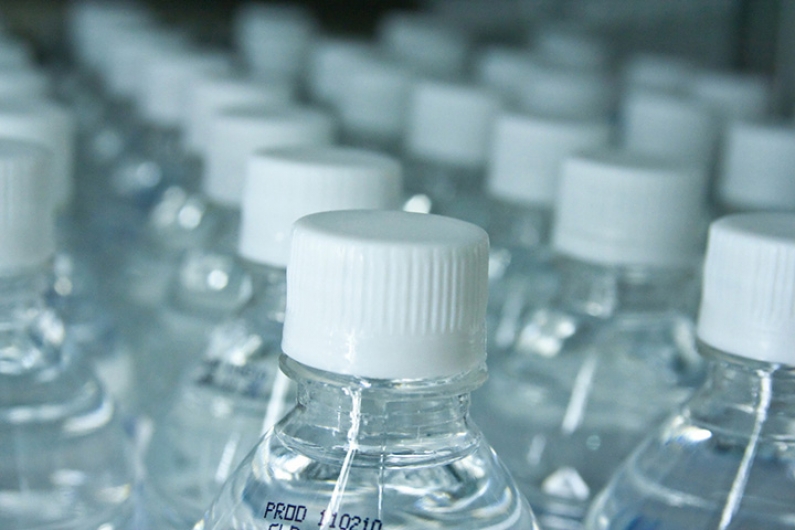
Plastic bottled water has become ubiquitous in modern society, offering a convenient and portable source of hydration. It typically comes in various sizes and shapes, catering to different consumer preferences. From natural spring water to purified or mineral-enhanced varieties, the market offers a wide array of choices to consumers.
Safety Concerns
While plastic bottled water is marketed as a safe and reliable option, concerns have been raised regarding its potential health risks. One major concern is the leaching of chemicals from the plastic containers into the water over time. Most plastic bottles are made from polyethylene terephthalate (PET) or polycarbonate, both of which can release harmful compounds under certain conditions.
Environmental Impact
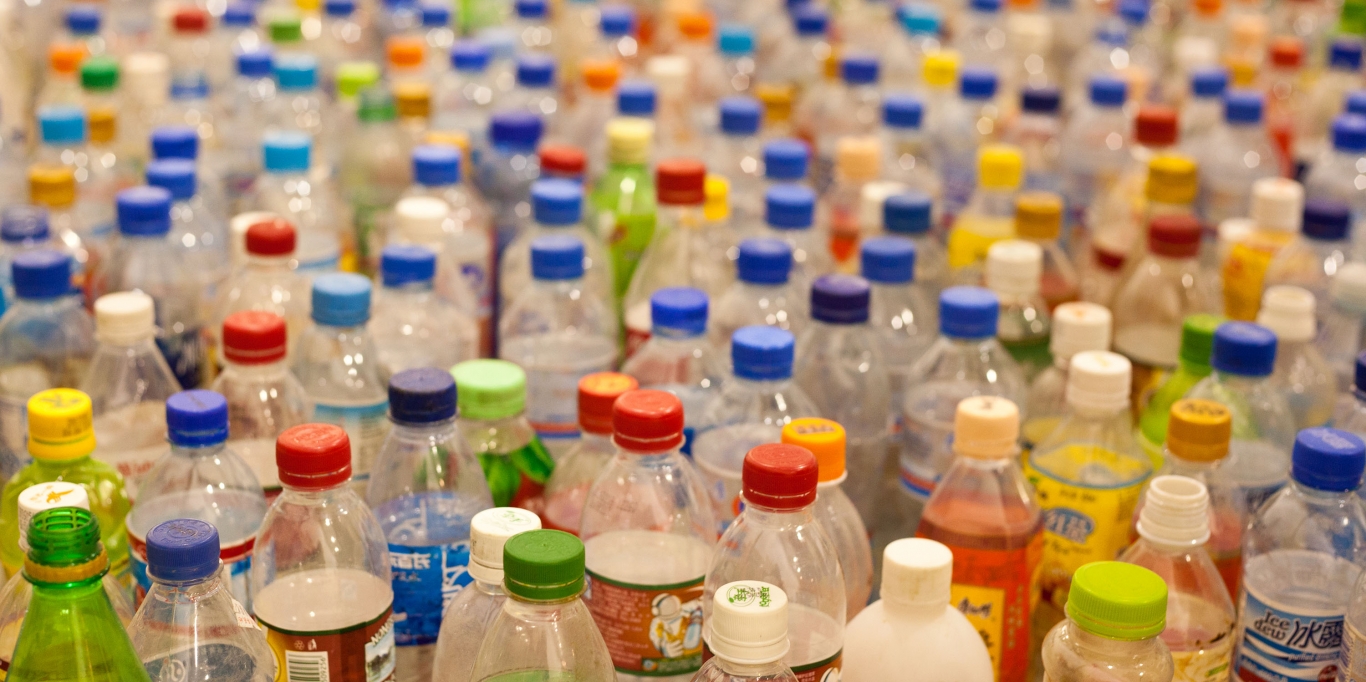
Beyond health considerations, the environmental impact of plastic bottled water is another pressing issue. The production, transportation, and disposal of plastic bottles contribute to pollution, resource depletion, and habitat destruction. Additionally, the prevalence of single-use plastic bottles exacerbates the global plastic waste crisis, with millions of tons ending up in landfills or polluting oceans each year.
Safety Considerations
When evaluating the safety of drinking plastic bottled water for everyday use, several factors come into play.
Chemical Leaching
One of the primary concerns with plastic bottled water is the potential leaching of chemicals into the water. Exposure to heat, sunlight, or prolonged storage can accelerate this process, leading to the release of harmful substances such as phthalates, bisphenol A (BPA), and antimony. These compounds have been linked to various health issues, including hormone disruption, reproductive problems, and cancer.
Microplastic Contamination
Another emerging concern is the presence of microplastics in bottled water. Microplastics are tiny particles less than 5 millimeters in size, often invisible to the naked eye. They can originate from the breakdown of larger plastic items or be introduced during the bottling process. While the health implications of consuming microplastics are still being studied, their ubiquitous presence in the environment raises concerns about potential long-term health effects.
Alternatives to Plastic Bottled Water
Given the safety and environmental concerns associated with plastic bottled water, many consumers are exploring alternative options for their hydration needs.
Tap Water
One of the simplest and most sustainable alternatives to bottled water is tap water. In many developed countries, tap water undergoes rigorous testing and treatment to ensure safety and quality. By investing in a reusable water bottle equipped with a filtration system, consumers can enjoy clean and safe drinking water without contributing to plastic waste.
Filtered Water
For individuals concerned about the quality of their tap water, filtered water systems offer an effective solution. Whether using pitcher filters, faucet attachments, or countertop dispensers, these systems remove impurities and contaminants, providing an affordable and eco-friendly source of drinking water.
Conclusion
In conclusion, while plastic bottled water may offer convenience, its safety and environmental impact warrant careful consideration. Concerns about chemical leaching, microplastic contamination, and plastic pollution highlight the need for alternative hydration solutions. By opting for tap water, filtered water, or other sustainable alternatives, consumers can prioritize their health and the health of the planet. Ultimately, the choice to drink plastic bottled water for everyday use rests with individual preferences and values, but informed decisions can lead to a healthier and more sustainable future.