
Outline
Importance of guides and porters in Nepal.
Purpose of the article.
Understanding the Role of Guides and Porters
Different roles and responsibilities.
Importance of each for trekking in Nepal.
Researching Potential Guides and Porters
Online platforms and forums.
Recommendations from fellow trekkers.
Local agencies and organizations.
Evaluating Experience and Expertise
Years of experience.
Knowledge of the trekking routes.
Language proficiency and communication skills.
Checking Licenses and Certifications
Government-issued licenses.
Wilderness First Aid and other certifications.
Assessing Reviews and Testimonials
Online reviews on platforms like TripAdvisor and Google.
Testimonials from previous clients.
Communication and Compatibility
Pre-trek communication.
Personal compatibility and rapport.
Understanding Cost and Services
Breakdown of fees.
Inclusions and exclusions in the service package.
Ethical Considerations
Fair treatment and wages.
Respect for local customs and environment.
Safety Measures and Emergency Protocols
Emergency response plan.
Availability of medical supplies.
Flexibility and Adaptability
Ability to handle unforeseen circumstances.
Willingness to adjust plans as needed.
Sustainability Practices
Environmental consciousness.
Responsible waste management.
Negotiating Terms and Conditions
Clarity on cancellation policies.
Payment schedules and methods.
Finalizing Your Decision
Making an informed choice.
Confirming reservations and agreements.
Conclusion
Summarize key points.
Emphasize the importance of choosing the right guide and porter.
Introduction
Trekking in Nepal offers breathtaking landscapes and unparalleled adventure, but it also presents challenges that necessitate the assistance of experienced guides and reliable porters. To ensure a safe and enjoyable journey, it's crucial to choose the right individuals to accompany you. In this article, we'll delve into the process of selecting the ideal guide and porter for your Nepalese trekking expedition.
Understanding the Role of Guides and Porters
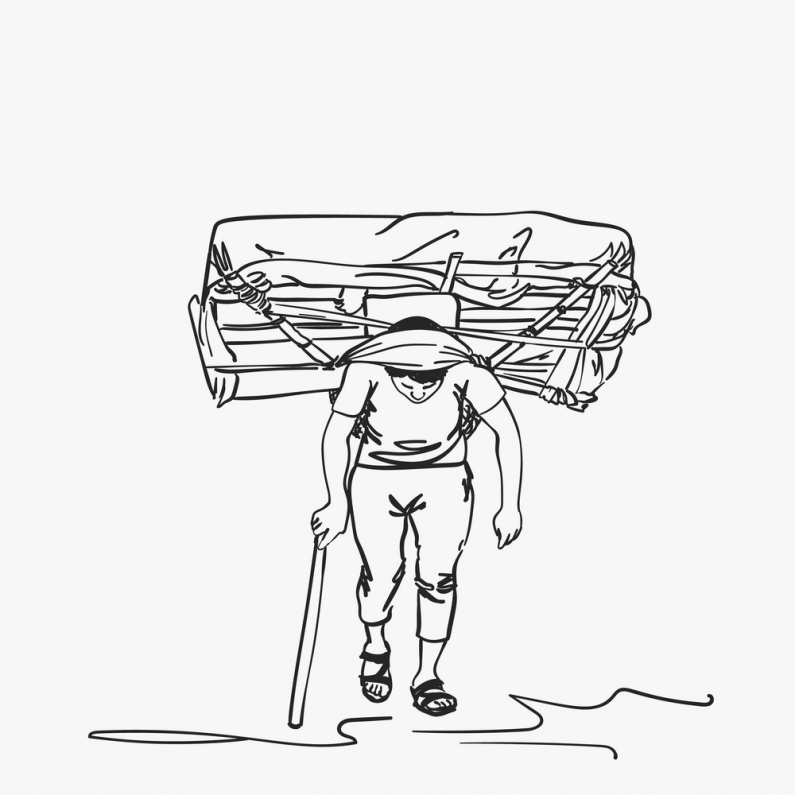
Guides and porters play distinct yet complementary roles in the trekking experience. While guides provide navigation assistance, cultural insights, and logistical support, porters shoulder the burden of carrying gear and supplies, allowing trekkers to focus on the journey itself.
Researching Potential Guides and Porters
Begin your search by exploring online platforms, such as trekking forums and travel websites, where fellow trekkers share their experiences and recommendations. Additionally, seek referrals from friends, travel agencies, or local organizations specializing in trekking adventures.
Evaluating Experience and Expertise
When assessing potential guides and porters, prioritize individuals with ample experience navigating Nepal's diverse terrain and climates. Inquire about their familiarity with the chosen trekking route, language proficiency, and communication skills to ensure effective interaction throughout the journey.
Checking Licenses and Certifications
Ensure that your chosen guide possesses a valid government-issued license, indicating compliance with regulatory standards and proficiency in trekking leadership. Additionally, inquire about certifications in Wilderness First Aid or other relevant emergency response training.
Assessing Reviews and Testimonials
Before making a decision, thoroughly review online testimonials and ratings from previous clients. Platforms like TripAdvisor and Google provide valuable insights into the quality of service offered by guides and porters, helping you gauge their reliability and professionalism.
Communication and Compatibility
Effective communication is essential for a successful trekking experience. Before embarking on your journey, engage in open dialogue with potential guides and porters to assess compatibility and ensure mutual understanding of expectations and preferences.
Understanding Cost and Services
When evaluating service packages, carefully review the breakdown of fees and charges to avoid any hidden costs. Clarify the inclusions and exclusions of the service package to make an informed decision based on your budget and specific requirements.
Ethical Considerations
Support ethical trekking practices by choosing guides and porters who uphold fair treatment and wages, respect local customs and traditions, and prioritize environmental conservation efforts throughout the journey.
Safety Measures and Emergency Protocols
Prioritize safety by selecting guides and porters equipped with comprehensive emergency response plans and adequate medical supplies to address potential health concerns or unforeseen circumstances during the trek.
Flexibility and Adaptability
Opt for guides and porters who demonstrate flexibility and adaptability in adjusting plans and routes to accommodate changing weather conditions, physical limitations, or unexpected challenges encountered along the way.
Sustainability Practices
Promote sustainable trekking practices by selecting individuals committed to minimizing environmental impact through responsible waste management, conservation initiatives, and respect for local ecosystems.
Negotiating Terms and Conditions
Before finalizing your decision, negotiate clear terms and conditions regarding cancellation policies, payment schedules, and any additional services or accommodations required during the trek.
Finalizing Your Decision
With careful consideration and thorough research, choose the guide and porter who best aligns with your preferences, budget, and trekking aspirations. Confirm reservations and agreements well in advance to secure your spot and ensure a seamless journey ahead.
Conclusion
Selecting the right guide and porter is paramount to the success and enjoyment of your trekking adventure in Nepal. By following these guidelines and prioritizing factors such as experience, reliability, and ethical considerations, you can embark on your journey with confidence and peace of mind, knowing that you're in capable hands.
FAQs
What qualifications should I look for in a trekking guide?
Look for guides with government-issued licenses, extensive experience, and certifications in wilderness first aid.
How much should I expect to pay for guide and porter services in Nepal?
Costs vary depending on factors such as trekking duration, group size and included amenities, but budgeting around $20-30 per day for guides and $15-25 per day for porters is a common range.
What languages do Nepalese guides typically speak?
Many guides are proficient in English, but they may also speak other languages such as Nepali, Tibetan, or Hindi.
How physically fit do I need to be to trek in Nepal with a guide and porter?
While a basic level of fitness is recommended, guides and porters can accommodate varying fitness levels and tailor the trekking pace accordingly.
Are tips expected for guides and porters in Nepal?
While tipping is not mandatory, it is customary to show appreciation for exceptional service with a gratuity of around 10-15% of the total cost.