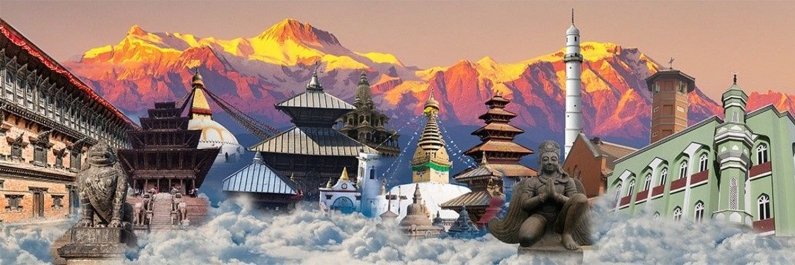
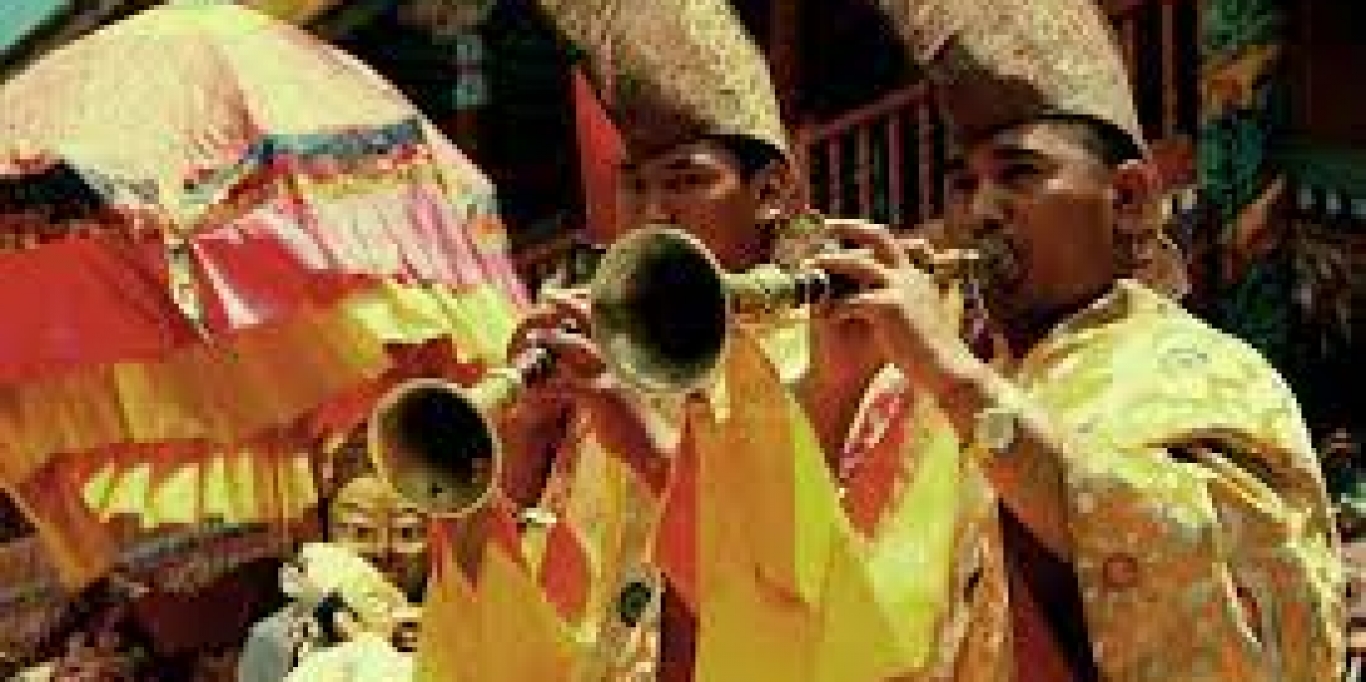
Art and Mountain festivals hold a significant place in Nepal's tourism landscape, offering a vibrant tapestry of cultural heritage and natural splendor. From the colorful celebrations of traditional art forms to the awe-inspiring vistas of the Himalayas, these festivals play a pivotal role in attracting visitors from across the globe. Let's delve deeper into why these festivals are crucial for tourism in Nepal.
Nepal, nestled in the heart of the Himalayas, boasts a rich cultural heritage and breathtaking landscapes. Art and Mountain festivals serve as windows into this diverse tapestry, offering visitors a glimpse into the soul of the nation. These festivals not only celebrate the artistic and natural beauty of Nepal but also contribute significantly to its tourism industry.
Tourism is a vital sector of Nepal's economy, contributing significantly to GDP and providing employment opportunities for thousands. With its diverse range of attractions, including UNESCO World Heritage Sites, pristine lakes, and majestic mountains, Nepal has emerged as a favored destination for travelers seeking adventure, spirituality, and cultural immersion.
Art festivals in Nepal are not merely showcases of creativity; they are living embodiments of the country's rich cultural heritage. These festivals, often rooted in age-old traditions and rituals, serve as platforms for preserving and promoting Nepal's artistic legacy.
Art festivals provide a platform for local artisans to showcase their craftsmanship, ensuring the preservation of traditional art forms that might otherwise fade into obscurity. From intricate wood carvings to vibrant Thangka paintings, these festivals celebrate Nepal's cultural heritage, passing down ancient techniques from one generation to the next.
Furthermore, art festivals foster cultural exchange by attracting artists and enthusiasts from around the world. Visitors have the opportunity to immerse themselves in Nepal's diverse cultural tapestry, forging connections and gaining a deeper appreciation for the country's rich traditions.
Nepal's mountain festivals offer a unique blend of adventure, spirituality, and natural beauty. Set against the backdrop of the majestic Himalayas, these festivals celebrate the rugged terrain and the indomitable spirit of the Nepali people.
Mountain festivals provide a platform for celebrating Nepal's breathtaking landscapes, from the snow-capped peaks of the Himalayas to the lush valleys below. These festivals often include activities such as trekking, mountaineering, and cultural performances, allowing visitors to immerse themselves in the splendor of nature.
Moreover, mountain festivals play a crucial role in promoting adventure tourism in Nepal. With activities such as mountain biking, paragliding, and white-water rafting, these festivals attract thrill-seekers from around the world, boosting tourism revenue and creating employment opportunities for local communities.
While art and mountain festivals may seem distinct, they often intersect in meaningful ways, creating synergies that enhance the overall tourist experience.
Many festivals in Nepal incorporate elements of both art and mountain culture, offering visitors a holistic experience. For example, art exhibitions may be held in mountain villages, allowing visitors to appreciate the beauty of both the natural and artistic landscapes.
Furthermore, these festivals serve as advocates for sustainable tourism practices, promoting environmental conservation and responsible travel. By raising awareness about the importance of preserving Nepal's natural and cultural heritage, these festivals play a vital role in ensuring the long-term sustainability of the tourism industry.
The economic impact of art and mountain festivals extends beyond tourism revenue, contributing to the overall development of Nepal's economy.
Art festivals attract both domestic and international tourists, generating revenue for local businesses, artisans, and the government. Similarly, mountain festivals stimulate economic activity in rural areas, providing a much-needed source of income for communities living in the shadow of the Himalayas.
Moreover, these festivals create employment opportunities across various sectors, from hospitality and transportation to arts and crafts. By providing jobs for local residents, these festivals contribute to poverty alleviation and socioeconomic development in Nepal.
Art and mountain festivals in Nepal have garnered international acclaim, attracting visitors from all corners of the globe and putting Nepal on the map as a cultural and adventure tourism destination.
The allure of Nepal's art and mountain festivals transcends borders, drawing in travelers seeking unique cultural experiences and adrenaline-fueled adventures. These festivals serve as magnets for international visitors, boosting Nepal's profile on the global tourism stage.
Furthermore, these festivals play a vital role in promoting Nepal's cultural identity and heritage on the world stage. Through art exhibitions, cultural performances, and culinary showcases, Nepal showcases its rich cultural tapestry to the world, fostering cross-cultural understanding and appreciation.
Despite their many benefits, art and mountain festivals in Nepal face several challenges, including inadequate infrastructure and environmental degradation. However, concerted efforts are underway to address these issues and ensure the sustainable growth of the tourism industry.
Investments in infrastructure development, such as road networks, accommodation facilities, and cultural venues, are essential for enhancing the visitor experience and accommodating the growing influx of tourists.
Environmental conservation measures, including waste management initiatives and sustainable tourism practices, are crucial for preserving Nepal's natural beauty and protecting fragile ecosystems.
In conclusion, art and mountain festivals play a vital role in promoting tourism in Nepal, offering visitors a unique blend of cultural immersion and natural beauty. By celebrating Nepal's rich cultural heritage and majestic landscapes, these festivals contribute to the country's economic development, global recognition, and sustainable growth.
Are art and mountain festivals popular among tourists in Nepal?
How do art festivals contribute to Nepal's cultural preservation?
What are some popular mountain festivals in Nepal?
**How do art and mountain festivals benefit local