Cost of Everest Base Camp Trek: Complete Budget Breakdown Guide
Planning the cost of the Everest Base Camp trek is one of the main concerns for trekkers heading to the Himalayas. Prices vary depending on season, itinerary, and comfort level, which can be confusing, especially for first-time visitors to Nepal. On average, the Standard packages start from $1,100 per person all-inclusive. Budget options start from $850. Luxury packages from $2,500. depending on the route, agency, permits, and other factors.
This guide provides a clear breakdown of all expenses you should expect, including permits, flights, accommodation, food, guides, porters, and miscellaneous costs. Understanding each component helps you plan realistically and avoid unexpected expenses on the trail.
Average Cost Overview by Trekking Style
The Everest Base Camp trek costs vary significantly based on your chosen style:
Budget trek: $1,200–$1,600
Standard guided trek: $1,500–$2,000
Luxury trek: $2,800–$4,500+
Most standard packages include permits, guides, porters, accommodation, meals, domestic flights, and logistics. The following sections break down each cost component in detail.
Permits and Entry Fees
Two permits are mandatory for all trekkers on the Everest Base Camp route:
Permit | Cost |
|---|---|
Sagarmatha National Park Permit | $30 |
Khumbu Pasang Lhamu Rural Municipality Permit | $20–$30 |
Both permits are available at entry points such as Monjo or local offices in the Khumbu region. Your trekking agency can assist with obtaining these permits.
Flights to Lukla
The round-trip flight between Kathmandu and Lukla is a significant cost component:
Foreign trekkers: $360–$450
SAARC nationals: $150–$180
Prices increase during peak seasons (October–November and March–April). Flight delays are common due to weather, so building buffer days into your itinerary is advisable.
Accommodation Costs (Tea Houses)
Tea houses provide basic lodging along the trail, with prices increasing at higher altitudes:
Region | Average Cost Per Night |
|---|---|
Lower region (Lukla to Namche) | $5–$10 |
Higher region (Dingboche to Gorak Shep) | $10–$20 |
Rooms are basic but clean. Luxury lodges with higher comfort levels cost $120–$250 per night. Accommodation costs are typically included in guided package prices.
Food and Drink Costs
Meal prices increase with altitude due to transport challenges. Typical costs per item:
Item | Cost |
|---|---|
Breakfast | $5–$8 |
Lunch | $6–$10 |
Dinner | $8–$12 |
Tea or coffee | $2–$4 |
Drinking water (per liter) | $1–$4 |
Daily food expenses typically range from $35 to $50. Standard trek packages usually include full-board meals.
Guide and Porter Costs
Hiring a guide and porter enhances safety and comfort while supporting the local economy:
Service | Cost Per Day |
|---|---|
Licensed guide | $25–$35 |
Porter (carries 20–25 kg) | $20–$25 |
Guides provide navigation, cultural insights, altitude guidance, and safety support. Porters significantly reduce your physical load, making the trek more enjoyable.
Travel Insurance
Travel insurance is mandatory for high-altitude trekking. A policy covering up to 5,500 meters typically costs $100–$150. Essential coverage includes:
High-altitude helicopter evacuation
Trip cancellation or interruption
Medical emergencies and hospitalization
Gear and Equipment
Proper gear is essential for comfort and safety. Cost options include:
Buying new gear: $200–$600 depending on quality and items needed
Renting in Kathmandu: $80–$150 for the trek duration
Renting is a budget-friendly option for items like sleeping bags, down jackets, and trekking poles.
Additional Costs to Consider
Item | Cost |
|---|---|
Hot shower | $3–$7 |
Wi-Fi access | $3–$5 per session |
Phone and device charging | $2–$5 per hour |
Tipping (guide and porter) | $80–$120 total recommended |
Cost Comparison: Budget vs Standard vs Luxury
Category | Budget ($1,200–$1,600) | Standard ($1,500–$2,000) | Luxury ($2,800–$4,500+) |
|---|---|---|---|
Accommodation | Basic tea houses | Selected good lodges | Luxury eco-lodges |
Meals | Basic menu items | Full board included | Buffet / premium meals |
Guide | Shared guide | Private guide | Highly experienced private guide |
Porter | Shared porter | Private porter | Private porter |
Transportation | Regular Lukla flight | Priority flight booking | Helicopter options available |
Comfort Level | Low to moderate | Moderate | High |
Sample 12-Day Standard EBC Trek Cost Estimate
Expense Category | Estimated Cost |
|---|---|
Permits | $50–$60 |
Flights (Kathmandu–Lukla round trip) | $360–$450 |
Guide and porter | $500–$700 |
Accommodation (tea houses) | $100–$180 |
Food and drinks | $350–$450 |
Travel insurance | $100–$150 |
Miscellaneous (snacks, charging, tips) | $50–$100 |
Total Estimate | $1,600–$2,000 |
This estimate assumes a standard guided trek with private guide and porter, full-board meals, and comfortable tea house accommodation. Actual costs may vary depending on the itinerary, route, and agency chosen.
When Is the Cheapest Time to Trek to Everest Base Camp?
Cheapest seasons (off-peak):
January–February (winter, very cold but clear skies)
June–August (monsoon, possible rain and cloud cover)
These periods offer lower prices but carry higher risks of weather-related delays and less favorable trekking conditions.
Best price-to-weather balance:
Mid-March to April (shoulder season)
Late September to early November (shoulder season)
How to Reduce Everest Base Camp Trek Costs
Share a guide or porter with other trekkers
Rent gear in Kathmandu instead of buying new
Book Lukla flights well in advance
Trek in a group to split costs
Limit alcohol, snacks, and luxury purchases on the trail
Choose local tea houses over luxury lodges
These strategies can save $300–$500 on overall trek expenses.
Is the Everest Base Camp Trek Worth the Cost?
For most trekkers, the answer is yes. The experience offers:
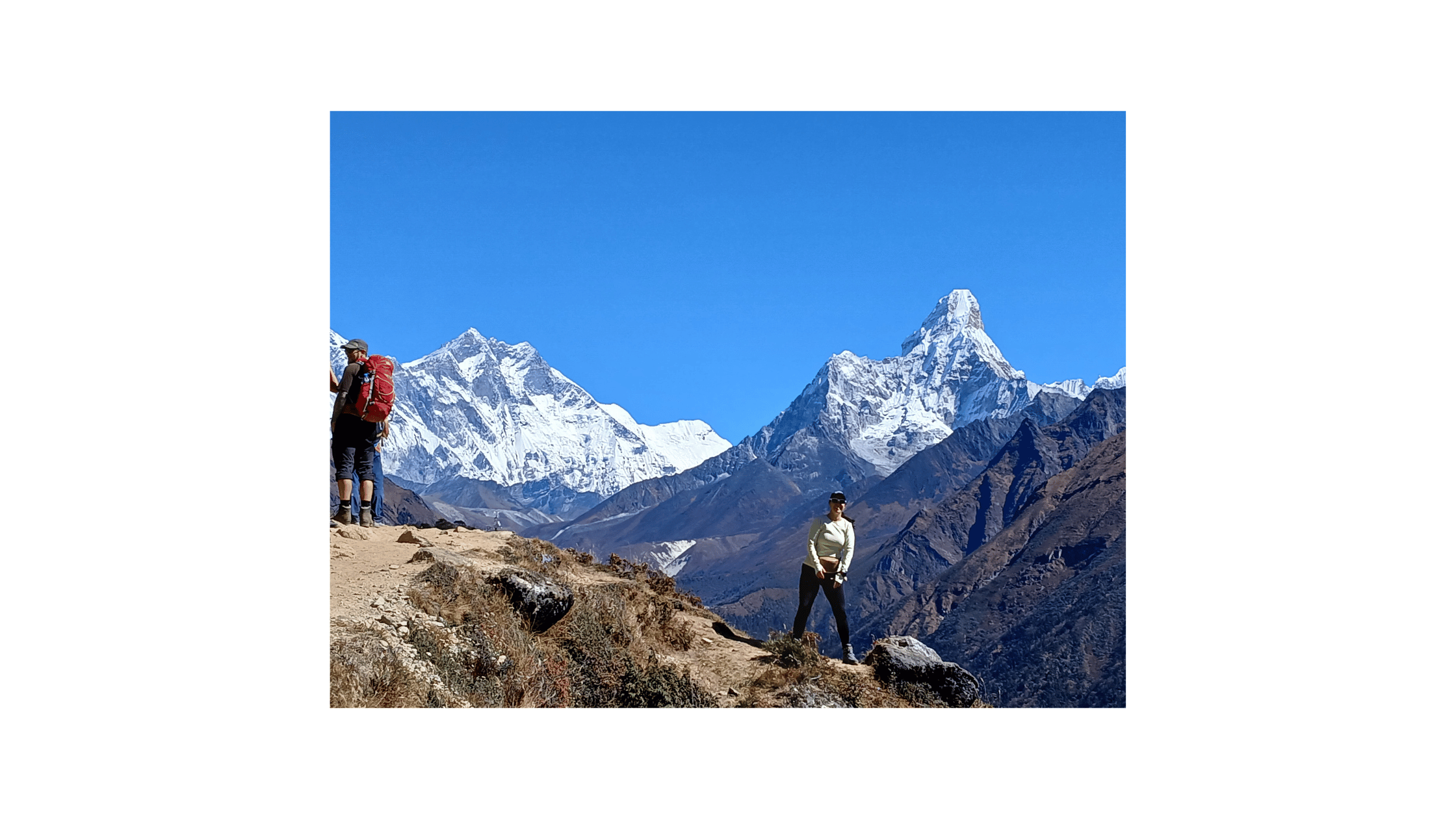
Panoramic views of Everest, Lhotse, Nuptse, and Ama Dablam
Immersion in Sherpa culture and Buddhist traditions
Walking on world-famous trails through the Khumbu region
A sense of personal achievement reaching base camp
The value lies in the memories and experiences rather than purely financial return.
Frequently Asked Questions
1. What is the cheapest Everest Base Camp trek option?
Budget group treks start at approximately $1,200–$1,400, including permits, flights, basic accommodation, and meals.
2. Are food costs included in standard EBC packages?
Yes, most standard guided packages include full-board meals (breakfast, lunch, dinner) during the trek.
3. How much cash should I carry on the trek?
Carry $150–$250 in Nepali currency for incidentals like hot showers, charging, Wi-Fi, snacks, and tips. ATMs are not available above Lukla.