Discover Nepal: Adventure, Culture, and Himalayan Beauty Await
Few places on earth pack in as much variety as Nepal. In a single trip you can stand beneath the tallest mountains on the planet, wander temple courtyards that have stood for a thousand years, and watch a rhino cross a jungle trail — all within a country roughly the size of Illinois. For trekkers, culture-seekers, and adventure travelers alike, Nepal rewards a well-planned itinerary more than almost anywhere else.
Eight of the world's ten highest peaks sit inside Nepal's borders, Mount Everest (Sagarmatha) among them. You don't need to be a mountaineer to reach its foot — a reasonably fit traveler can walk into Everest Base Camp on a guided 12- to 14-day route through Sherpa villages and the Khumbu Valley.
Landscapes That Don't Repeat Themselves
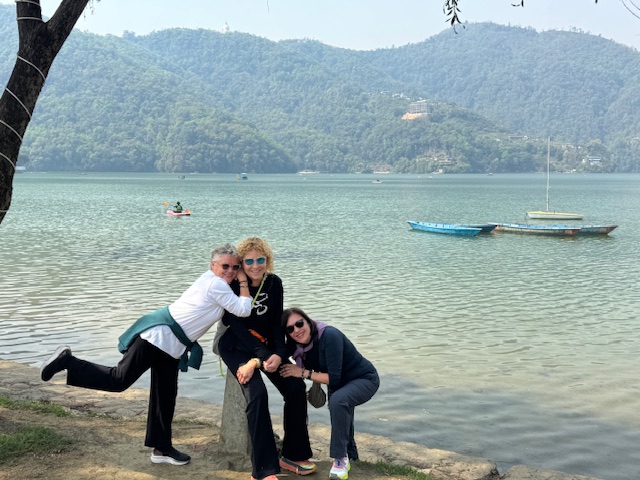
Nepal's geography shifts dramatically over short distances: glacier-fed peaks give way to the lake city of Pokhara, the terraced hills around Kathmandu, and Lumbini, the birthplace of the Buddha, out on the plains. That range of terrain — alpine, valley, lake, forest — is part of why photographers and nature travelers keep coming back.
The lowland side of the country is just as compelling. Chitwan National Park and Bardia National Park protect grassland and riverine forest that shelter Bengal tigers, one-horned rhinos, wild elephants, and more than 850 recorded bird species. A jungle safari here is a genuinely different trip from a mountain trek, and pairs well with one on a longer itinerary.
Living Heritage, Not Just Old Buildings
Nepal's cultural depth runs as deep as its landscapes. Centuries-old temples, monasteries, and palace squares reflect a long overlap of Hindu and Buddhist tradition, and several — Pashupatinath Temple, Swayambhunath (the Monkey Temple), Boudhanath Stupa, and Bhaktapur Durbar Square among them — carry UNESCO World Heritage status.
The Kathmandu Valley alone holds seven of these sites, an unusually dense concentration for one metropolitan area. What sets them apart from museum pieces elsewhere is that they're still in daily use: prayers offered at the same shrines used for generations, monks chanting through morning rituals, artisans working crafts passed down within families. A Kathmandu Pokhara itinerary is the most efficient way to see the valley's heritage sites alongside Pokhara's lakeside scenery in one trip.
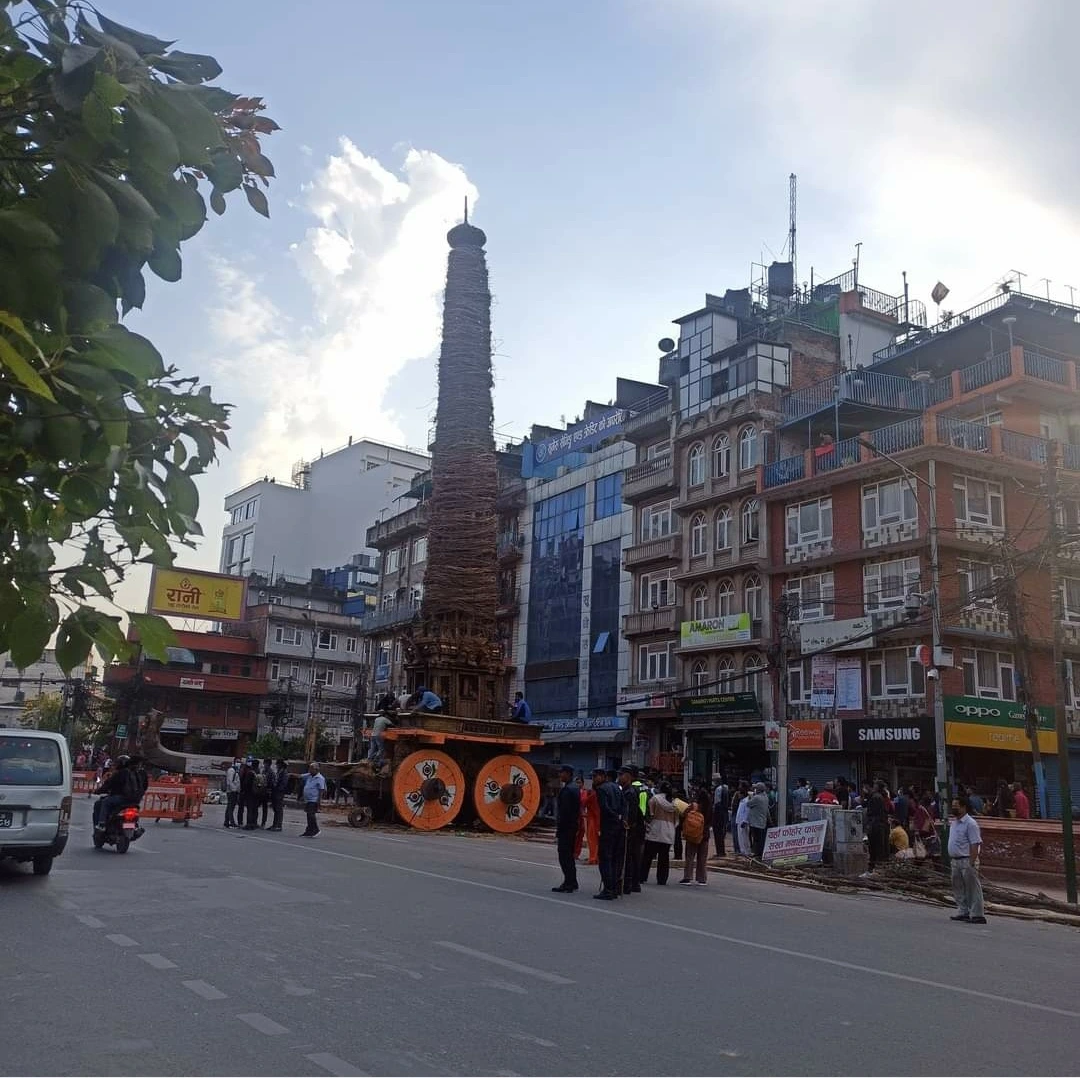
Festivals add another layer entirely. Dashain and Tihar are the country's biggest celebrations; Holi turns city streets into a wash of color; and Kathmandu's Indra Jatra brings out masked processions and the ceremonial appearance of the Kumari, Nepal's living goddess.
Choosing a Trek: The Routes That Define Nepal
Trekking is where Nepal's reputation was built, and the route options span every fitness level and time budget:
Everest Base Camp Trek — 12–14 days through Sherpa villages to the foot of the world's highest mountain.
Annapurna Circuit Trek — a 12–16 day loop around the Annapurna massif, crossing Thorong La Pass at 5,416m.
Annapurna Base Camp Trek — 12 days into the world's deepest valley, ending at the 4,130m base camp.
Langtang Valley Trek — 7–10 days, reachable directly from Kathmandu, with strong Tamang cultural exposure.
Upper Mustang Trek — into the former "forbidden kingdom," now open to solo trekkers with a licensed guide.
Manaslu Circuit and Tsum Valley Trek — a quieter, more remote route for travelers after wilderness and Tibetan Buddhist culture.
Trekking isn't the only way to get an adrenaline fix. The Trishuli, Bhote Koshi, and Sun Kosi rivers offer serious white-water rafting and kayaking; Pokhara is ranked among the world's best paragliding launch points, with tandem flights over Phewa Lake and the Annapurna range; and thrill-seekers can bungee jump from a 160-meter bridge over the Bhote Koshi or zip-line through the forest canopy nearby.
A Country of Many Peoples
What often surprises first-time visitors is how much Nepal's culture varies region to region. Sherpas define the Everest area, Gurkhas the central hills, Newars the Kathmandu Valley, and Tharus the Terai lowlands — each with its own language, customs, and cuisine. Homestays are the best way into this: sharing a meal with a local family tells you more about daily Nepali life than any monument tour.
The food alone is worth traveling for — Newari dishes like chatamari and yomari, Sherpa staples like momos and thukpa, and dal bhat, the lentil-and-rice plate that fuels trekkers on every major route in the country.
Tourism That Gives Back
Responsible tourism has become a real priority across Nepal's travel industry, not just a marketing line. Operators increasingly build trips around:
Waste management programs in high-traffic trekking regions
Community-run homestays that put tourism income directly into local hands
Conservation work protecting wildlife and habitat
Support for traditional crafts and cultural preservation
Travelers who choose operators committed to these practices are helping keep Nepal's trails and heritage sites intact for the next generation of visitors.
Why Nepal, and Why Now
Nepal's compact size is its secret weapon: you can trek through mountains one week, track wildlife in the jungle the next, and walk through a thousand-year-old city square before you fly home. Few destinations let you cover that much ground — geographically and culturally — on a single trip.
Whether you're traveling solo, as a couple, or introducing kids to a new part of the world, there's a version of Nepal built for it. And the welcome is part of the experience: "Namaste," the traditional greeting, translates roughly to recognizing the divine in another person — a fitting summary of how visitors are received here.
Frequently Asked Questions About Traveling to Nepal
What's the best time to visit Nepal? Spring (March–May) and autumn (September–November) offer the clearest skies and mildest temperatures for trekking. Autumn has the added draw of major festivals like Dashain and Tihar.
How many days does the Everest Base Camp Trek take? Most itineraries run 12–14 days round trip from Kathmandu, including acclimatization stops in Namche Bazaar and Dingboche.
Is trekking in Nepal beginner-friendly? Yes — routes like Langtang Valley and Poon Hill are shorter and less demanding, while Everest Base Camp and the Annapurna Circuit call for a moderate fitness level.
Do I need a guide? A licensed guide is mandatory in restricted areas like Upper Mustang, and strongly recommended on every major trek for safety, logistics, and cultural context.
What should I pack? Layered clothing, a reliable sleeping bag, broken-in boots, a water purification method, and basic altitude-sickness medication cover most high-altitude routes.
Start Planning Your Himalayan Trip
Nepal's mountains, living traditions, and range of adventure options make it hard to visit just once. Global Nepal Treks can help build the itinerary around what matters most to you, with local guides and customizable routes. Browse the full lineup of Nepal trekking packages or Nepal tour packages to start planning.