Every trek in Nepal starts and ends in Kathmandu, and most trekkers treat the city as a stopover. That is a mistake. The one to three days you spend here decide whether you start your trek rested, properly equipped and healthy, or tired, under-packed and chasing a permit.
This guide is written by a licensed trekking agency based in Kathmandu. It covers what to do in Kathmandu before trekking: the practical jobs first, then the temples, food and day trips that are actually worth your time. It also covers things most guides skip: how the 2026 permit rules work, why your Lukla flight may leave from a different airport, and what Dashain does to the city this month.
The short answer
How many days: two is the sweet spot, one to settle in and sort gear and one for sightseeing. Add a third if you want Patan and Bhaktapur without rushing.
Do first: confirm permits and your flight plan, check your insurance, do a gear check, then go sightseeing.
Avoid: a heavy sightseeing day right before an early flight or long drive.
Add a buffer day at the end of any trek that includes a mountain flight. Weather delays are normal.
1. Your pre-trek checklist (do this on day one)
Before you see a single temple, get these sorted. They are the things that cause real trouble when left until the night before.
Meet your guide or agency and go through the plan. Confirm pickup times, the route, what is included and who your guide is. Ask what happens if a flight is cancelled. Save emergency contacts on your phone and keep a digital copy of your itinerary.
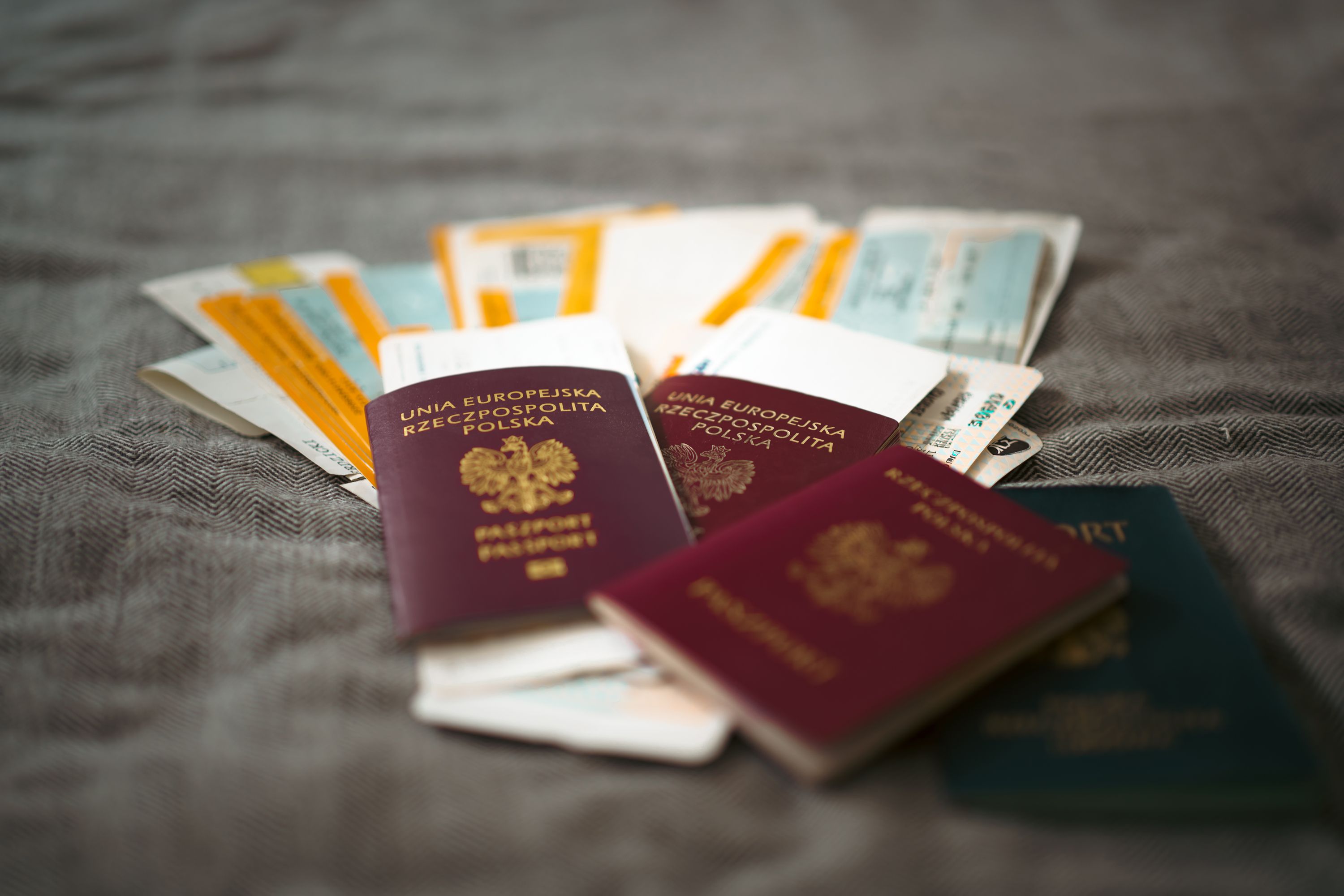
Check your documents. Passport, visa receipt, insurance policy number, and a digital copy of everything in a waterproof pouch. A visa on arrival costs US$30 for 15 days, US$50 for 30 days and US$125 for 90 days, payable in cash at the airport. You can fill in the form online before you fly to shorten the queue.
Check your insurance covers the trek. For Everest Base Camp, look for cover for emergency helicopter evacuation and treatment at altitude up to at least 5,500 m. Read the policy rather than assuming.
Do a proper gear check. Lay everything out: broken-in boots, layers, a rain shell, warm hat and gloves, and a sleeping bag rated for the cold. Anything missing is cheaper and easier to fix in Thamel than on the trail (see the gear section below).
Sort money and a SIM. ATMs are plentiful in Thamel but rare higher up, so withdraw enough rupees for the whole trek before you leave. A local SIM is cheap and gives reliable coverage on the main routes at lower altitudes.
Trekking permits in 2026: what you actually need
Permit rules have been changing, and many articles online are out of date. Here is the picture for 2026. Fees are approximate, and we confirm the exact amounts when you book.
Region | Permits for foreign trekkers (approx.) |
Everest / Khumbu | Sagarmatha National Park permit (about NPR 3,000, bought at Monjo) plus the Khumbu Pasang Lhamu municipal permit (about NPR 2,000 to 3,000, bought at Lukla). TIMS is generally no longer required in this area. |
Langtang | Langtang National Park permit (about NPR 3,000) plus TIMS (about NPR 2,000) |
Annapurna | ACAP permit (about NPR 3,000) plus TIMS (about NPR 2,000) |
Restricted areas (Upper Mustang, Manaslu and others) | Special permits, available only through a registered agency |
Rules about guides and solo trekking have also been changing in several regions, so check the current position before planning to go without an agency. When you trek with us, we arrange your permits.
2. Check where your Lukla flight leaves from
If you are trekking to Everest Base Camp, this one catches people out. In the peak seasons of spring and autumn, most flights to Lukla are routed through Manthali Airport in Ramechhap rather than Kathmandu, to ease congestion on Tribhuvan's single runway. Manthali is roughly 130 km from Kathmandu, a drive of around four to five hours, and flights start very early, often around 6 am.
What that means for you:
You may leave Kathmandu in the middle of the night, or stay in Manthali the night before.
Your free day in Kathmandu before the trek may be shorter than you expect, so ask for the exact plan.
If you would rather skip the long drive and early start, our Everest helicopter tour covers Kala Patthar and the Khumbu from the air.
Build in a buffer. Lukla flights are the most weather-sensitive part of an Everest trek, and our guide to when to book the Everest Base Camp trek explains how to plan around it.
Airlines and routings change from season to season, so always confirm with your operator rather than relying on a blog post, including this one.
3. Kathmandu in October and November 2026: Dashain and Tihar
You are visiting at the best time of year, with clear post-monsoon skies and peak trekking conditions. You are also visiting during Nepal's two biggest festivals.
Dashain runs from 11 to 25 October 2026. The main days are Phulpati on 17 October and Vijaya Dashami, the tika day, around 21 October, with public holidays roughly from 17 to 23 October.
Tihar, the festival of lights, falls in early November, with Laxmi Puja on 8 November and Bhai Tika around 10 to 11 November.
What this changes for trekkers:
Government offices close for the main Dashain days, so permit counters and offices may be shut. Get permits done before 17 October.
Roads and buses get busy as people travel home to their villages. Allow extra time for any overland journey.
Some shops and restaurants close or shorten their hours on the biggest days, especially local ones. Tourist areas like Thamel usually stay lively.
It is a wonderful time to see Nepali culture. Kites fill the sky during Dashain, and during Tihar the city is decorated with lamps and marigolds. Treat an invitation to a family meal or tika as an honour.
4. How to spend your days: 1, 2 and 3-day plans
If you have one day
Do the checklist in the morning: briefing, documents, gear. In the afternoon, walk to the Garden of Dreams for a quiet hour, then eat an early dinner and sleep. Do not stay out late before an early start.
If you have two days
Day 1: Prepare. Briefing, permit check, gear shopping or rental in Thamel, an easy walk through the old bazaar around Asan, and an early night.
Day 2: Sightsee. Start early at Boudhanath, which is calm at sunrise and full of pilgrims in the evening, then visit Pashupatinath, about 2 km away. Have lunch near Boudha. Finish with Swayambhunath in the late afternoon for the view over the valley.
If you have three days
Day 1: as above.
Day 2: Kathmandu Durbar Square in the morning, then Swayambhunath in the afternoon.
Day 3: Patan Durbar Square and its museum in the morning, then Bhaktapur in the afternoon. Bhaktapur is the best-preserved of the valley's old royal cities, and it is quieter than Kathmandu.
Group the sites by area to avoid wasting time in traffic: Boudhanath and Pashupatinath on the east side, Swayambhunath and Thamel on the west, Patan to the south and Bhaktapur further east.
If you want everything arranged for you, our Kathmandu Pokhara tour and Nepal best package tour cover the valley's UNESCO sites with a guide.
5. The must-see sights, with entry fees
Entry fees for foreign visitors change and sources disagree on exact figures, so treat these as a guide and confirm at the gate.
Site | What to expect | Approx. entry (foreigners) |
Boudhanath Stupa | One of the largest stupas in the world. Walk the kora, the circuit, clockwise at dusk. Rooftop cafés look onto it. | NPR 400 |
Swayambhunath ("Monkey Temple") | Hilltop stupa with valley views. Mind the monkeys. Best at sunrise or late afternoon. | About NPR 200 to 300 |
Pashupatinath | Nepal's most sacred Hindu temple, on the Bagmati River. Non-Hindus cannot enter the main temple but can walk the grounds and watch from the riverbank. | About NPR 1,000 |
Kathmandu Durbar Square | The old royal palace complex, including the Kumari Ghar. Some reconstruction after the 2015 earthquake is still visible. | About NPR 1,000 |
Patan Durbar Square and Museum | Often considered the finest of the three squares, with an excellent museum in the old palace. | About NPR 1,000 |
Bhaktapur Durbar Square | The valley's most complete medieval city, with the 55-Window Palace and Nyatapola Temple. | NPR 1,800 |
Garden of Dreams | A restored neo-classical garden at the edge of Thamel, and a calm place to decompress. | A few hundred rupees |
A note on Pashupatinath: the cremation ghats are a working religious site, not a spectacle. Keep a respectful distance, ask before photographing anyone and stay quiet.
6. Easy walks that double as trek training
Kathmandu sits at about 1,400 m, so you will not acclimatise to altitude here. But a half-day walk in the hills around the valley is a good shakedown: it tests your boots, your daypack and your knees before you commit to a ten-day trek.
Good options include the forested trails of Shivapuri, Champadevi and Nagarjun, whose summit stupa, at roughly 2,100 m, rewards you with views on a clear day. For a gentler overnight, Nagarkot is known for sunrise views over the Himalaya.
Keep it easy. This is a warm-up, not a workout, and you do not want to arrive at the trailhead with sore legs.
7. What to eat, and how to keep your stomach safe
Kathmandu is the best place in the country to eat. Try these before you spend two weeks on dal bhat:
Dal bhat: rice, lentil soup, vegetable curry and pickle. You will eat it daily on the trail, and a good local set is cheap.
Momos: steamed or fried dumplings, usually served with a spicy tomato achar.
Thukpa: a Tibetan-style noodle soup that is ideal after a cold morning at Boudha.
Newari dishes: bara (a lentil pancake), chatamari (a rice-flour "Nepali pizza") and yomari, a sweet steamed dumpling often made during festivals.
Juju dhau: the "king of curds", a creamy, sweet yoghurt from Bhaktapur.
Chiya: sweet, spiced milk tea on every corner.
In the days before you fly or drive out, stick to cooked food and bottled or filtered water. A stomach bug is the most avoidable way to lose trekking days, so save the street-food adventures for after the trek.
8. Air quality and health in Kathmandu
Kathmandu sits in a bowl-shaped valley that traps dust and smoke. Air quality is usually worst in the dry months before the monsoon (in March 2026 the health ministry urged the public to take precautions as the index reached "very unhealthy" levels), and it is generally clearer after the rains. Dust and traffic fumes are a feature of the city all year, though.
Practical steps:
Check the air quality index on an app before long outdoor days.
Carry a proper filter mask (N95 or FFP2 type). A Nepali study found that ordinary cloth and surgical masks gave little benefit.
Drink plenty of bottled or filtered water, and consider throat lozenges. You do not want to start the trek already coughing.
Keep hand sanitiser handy, and wash your hands before eating.
9. Where to stay
Thamel is where most trekkers stay, and for good reason: it is walkable, full of restaurants and gear shops, and close to most trekking agencies. Expect roughly US$10 to 20 a night for a clean guesthouse, US$30 to 70 for mid-range comfort, and US$80 and up for boutique and heritage hotels. Prices vary by season, and October is busy, so book ahead.
If Thamel's noise is too much, Boudhanath and Lazimpat are calmer. Ask for a room at the back of the building and bring earplugs.
10. Gear: buy or rent in Thamel?
Thamel is lined with gear shops. A few honest rules:
Rent bulky items you will use once: down jackets, sleeping bags and trekking poles.
Buy what has to fit you: boots, socks and a daypack. Never wear new boots for the first time on the trail.
Be aware that many branded items in Thamel are locally made copies. They are fine for one trek but are not genuine and may not last.
Bargain politely. Start well below the first price and expect to meet in the middle.
Do not overpack. Most trekkers carry more than they need. Check your baggage limit, especially if you are flying to Lukla.
11. When you come back: after the trek
The return to Kathmandu is half the fun. Plan for:
A buffer day after any trek that includes a mountain flight.
Laundry, a hot shower and a good meal. The first one is always the best.
A massage, a yoga class or a quiet café to recover. Tired legs and trail dust deserve a reward.
Souvenirs: singing bowls, prayer flags, handmade paper and Nepali tea, all easy to find in Thamel and around Boudha.
Tipping your guide and porters. It is customary and appreciated. Your guide can tell you the usual amounts.
12. Responsible travel in the valley
Walk clockwise around stupas, and spin prayer wheels clockwise too.
Dress modestly at temples and remove your shoes where asked.
Ask before photographing people, especially sadhus, who may ask for a small fee.
Refill a reusable bottle with filtered water rather than buying plastic bottles.
Eat at locally owned restaurants and buy directly from artisans where you can.
Frequently asked questions
How many days should I spend in Kathmandu before trekking? Two days is ideal: one for preparation and one for sightseeing. Three days lets you add Patan and Bhaktapur. If your trek starts with an early flight, make the last day before it a rest day.
Do I need a TIMS card for Everest Base Camp in 2026? For the Everest and Khumbu region, TIMS is generally no longer required. You pay the Sagarmatha National Park fee and the Khumbu Pasang Lhamu municipal fee instead. For other regions such as Langtang and Annapurna, TIMS is still generally required. Rules change, so confirm with your agency.
Do Lukla flights leave from Kathmandu? In peak seasons, most Lukla flights depart from Manthali in Ramechhap, about four to five hours by road from Kathmandu. Some flights and helicopters still operate from Kathmandu. Always confirm with your operator.
Is Kathmandu safe for trekkers? Generally yes. Watch your belongings in crowded areas such as Asan and Durbar Square, agree taxi fares before you get in, and cross roads carefully, because traffic is the main real hazard.
Can I buy or rent trekking gear in Kathmandu? Yes. Thamel has plenty of shops selling and renting jackets, sleeping bags, poles and more. Rent bulky items, buy items that must fit, and never trek in untested boots.
What should I do in Kathmandu during Dashain? Enjoy the festival atmosphere, accept invitations if you get them and plan around closures. Get permits done early, as government offices close for several days around 17 to 23 October 2026.
What is the best time to visit Kathmandu? October and November offer clear skies and comfortable temperatures. March to May is warm and hazy, December to February is cold but clear, and June to September is monsoon.
Is Kathmandu at high altitude? At about 1,400 m, Kathmandu is not high enough to cause altitude sickness, but it will not acclimatise you either. Acclimatisation happens on the trek, so go slowly.
Plan your Kathmandu days with Global Nepal Treks
Global Nepal Treks is a locally based trekking agency in Kathmandu (Licence No. 3058), working since 2008. We arrange permits, flights, guides and porters, and we plan your Kathmandu days around your trek so you start rested and prepared.
If you are planning a trek, take a look at our Everest Base Camp trek, Annapurna Base Camp trek, Langtang Ganja-La Pass trek or Kanchenjunga Base Camp trek. If you are not sure which trek fits your fitness and dates, contact us or plan your trip and we will build a plan around you.
Global Nepal Treks Bikramshila Mahavihar (Bhagawan Bahal), Tham Bahee Road, Kathmandu, Nepal WhatsApp and phone: (+977) 9744258519 Email: info@globalnepaltreks.com
Fees, flight arrangements and permit rules change, so confirm current details when you book. This guide reflects what we could confirm in early October 2026.