The Nepal Premier League (NPL) has given cricket fans a reason to travel to Nepal, not only to watch from home. Supporters now plan trips around fixtures in Kathmandu, Pokhara and Biratnagar, and many stay on for the mountains. Here is how cricket tourism in Nepal connects with trekking, culture and wildlife.
Why the NPL matters for tourism
The league draws thousands of fans to stadiums and a larger audience online. That pushes visitors toward cities that trekkers often only pass through. Nepal Tourism Board and the Cricket Association of Nepal signed an agreement to promote the second season internationally, with a global broadcast.
Match days fill hotels, taxis and restaurants. But a fan who flies in for a fixture usually has spare days, and that is where the connection to tourism really begins. Most cricket trips are one evening of cricket and several days of Nepal.
The season overlap most guides miss
Earlier NPL seasons ran in the November to December window, which falls in the clear-sky autumn trekking season. Check the current fixture list before you book flights, because dates can change.
This is the best time to combine both. Mountain views are sharp, trails are dry, and festivals like Dashain and Tihar sit close to the cricket calendar. A traveler can watch a night match, then be on a trail within a day or two.
Four ways to combine cricket and the mountains
1. Kathmandu match, then Everest. Fly in, catch a fixture, then head to the Khumbu. The Everest Base Camp trek suits fans with 12 to 14 days. Short on time? A helicopter tour over Everest fits between matches.
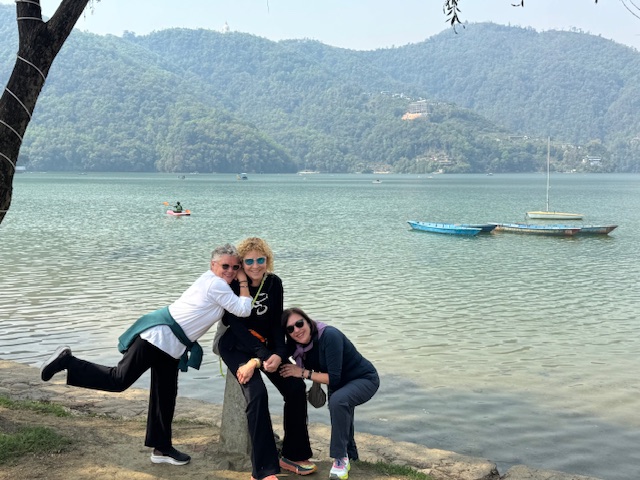
2. Pokhara match, then Annapurna. Pokhara is Nepal’s tourism capital, and the Pokhara Premier League was built partly to decentralize cricket from Kathmandu and use the city’s tourism appeal. From there, the Annapurna Base Camp trek starts close to the lakeside.
3. Cricket at altitude. Cricket is also reaching the mountains. Api Himal Rural Municipality is hosting a friendly cricket tournament at its base camp to link Himalayan tourism with sports. If remote trails appeal to you, the Kanchenjunga Base Camp trek offers the quiet side of Nepal after the stadium noise.
4. Match days plus culture. Pair fixtures with temples, Durbar Squares and a pilgrimage tour in Nepal. Add Lumbini for Buddhist heritage or Chitwan for rhinos and jungle walks.
Practical planning tips
Schedule trekking after the cricket. Late matches and early flights to the mountains rarely mix.
Leave acclimatization days. Altitude does not care about your itinerary. Build rest days into any route above 3,000 meters.
Get permits early. Most treks need a TIMS card and park or area permits. A local operator handles these for you.
Ensure properly. Choose a cover that includes high-altitude evacuation.
Travel in a group? Fan groups can share guides, vehicles and costs, and itineraries can be fully customized.
Why plan it with Global Nepal Treks
Planning a cricket trip and a trek separately means juggling transfers, permits and match tickets. Global Nepal Treks is a licensed Kathmandu operator that builds trips around your dates, with certified guides, safety protocols and eco-friendly practices. Browse all our trekking and tour programs or ask for a custom cricket-and-trek plan.
FAQ
Can I watch NPL matches and go trekking on one trip?
Yes. Most fans do the match first, then trek. A 10 to 14 day trip covers a fixture plus a major trek.
Does the NPL bring international tourists?
Yes. Fans from neighboring countries travel for the games, and the global broadcast shows Nepal’s cities and landscapes to millions more.
Is Pokhara good for cricket tourism?
Pokhara combines a growing cricket scene with lakes, paragliding and trek starts, so it works well as a base.
Ready to plan? info@globalnepaltreks.com.