Introduction
Bhutan is unlike any other country in Asia.
The last Himalayan Buddhist kingdom. A country that measures national success by Gross National Happiness rather than GDP. A destination that deliberately limits visitor numbers through a minimum daily spending requirement — not to be exclusive but to protect its culture, environment, and way of life from the pressures of mass tourism.
For visitors who do go — Bhutan is consistently described as the most intact traditional culture they have ever encountered. The dzongs (fortress-monasteries) that dominate every major valley. The red-robed monks in the courtyards of ancient monasteries. The forested hillsides unchanged for centuries. The towns where traditional dress is still required in government buildings and religious sites.
This guide covers everything visitors need to know about the Bhutan Cultural Tour — the route, highlights, best time, visa requirements, and what makes Bhutan genuinely different from any other destination in the region.
Understanding Bhutan — Before You Go
The Gross National Happiness philosophy
Bhutan's fourth king introduced the concept of Gross National Happiness in the 1970s as an alternative framework for national development. Rather than measuring progress purely through economic output, Bhutan measures national wellbeing across four pillars: sustainable development, environmental conservation, cultural preservation, and good governance.
This philosophy has real practical consequences for visitors. Environmental regulations are among the strictest in Asia. Traditional architecture is protected. Cultural practices are actively supported by government policy. The result is a country where the relationship between modernity and tradition has been managed with unusual deliberateness.
The Sustainable Development Fee
Bhutan requires all foreign tourists (except Indian, Bangladeshi, and Maldivian nationals) to pay a Sustainable Development Fee (SDF) of $100 USD per person per night. This fee directly funds Bhutan's free healthcare, free education, and conservation programs.
This is not an optional charge — it is a condition of the tourist visa. It means that all inclusive Bhutan tourism has a minimum floor price. It also means that every visitor directly contributes to the programs that make Bhutan what it is.
Global Nepal Treks arranges all Bhutan visa documentation and SDF payment as part of the tour package.
How to enter Bhutan
From Nepal: The most common route for visitors combining Nepal and Bhutan. Direct flights operate between Kathmandu (KTM) and Paro (PBH) — Bhutan's only international airport — with Druk Air and Bhutan Airlines. Flight time approximately 1.5 hours.
From India: Direct flights from Delhi, Kolkata, Mumbai, Bangalore, and Guwahati to Paro. Also possible by land from Jaigaon (India) to Phuentsholing (Bhutan) for visitors in the eastern India region.
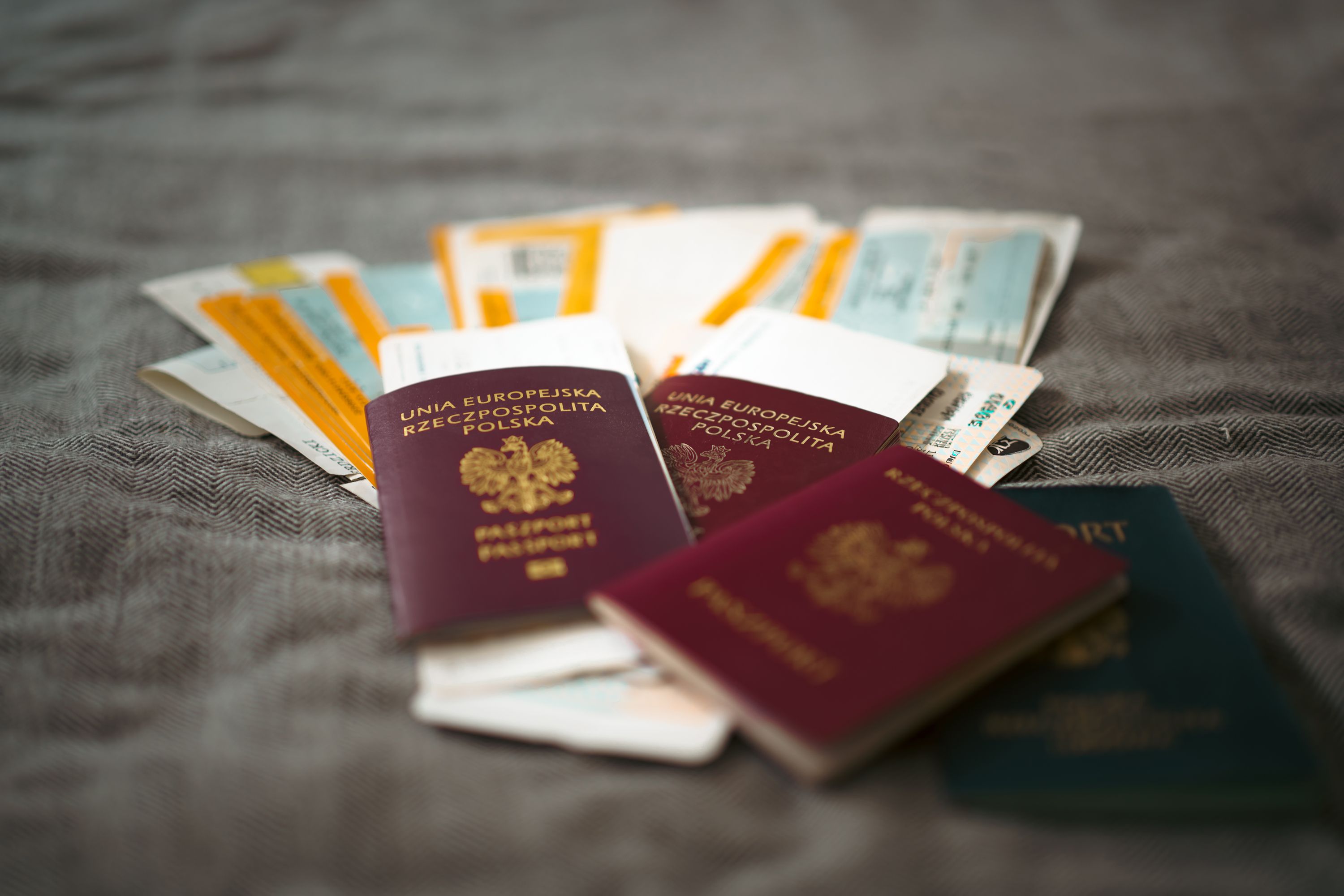
Visa: Bhutan tourist visa is issued only through a licensed Bhutan tour operator — individual visa applications are not accepted. Global Nepal Treks is a licensed Nepal-Bhutan operator and arranges the complete visa process.
The Bhutan Cultural Tour Itinerary — 9 Days
Day 1 — Arrive Paro (2,280m)
Arrival at Paro International Airport — one of the most dramatic airport approaches in the world. The Druk Air flight descends through narrow mountain valleys before landing on a short runway surrounded by rice fields and forested hills. Pilots must be specially certified to fly this approach.
Transfer to hotel. Afternoon at leisure — walk through Paro town, visit the National Museum, explore the river valley below the fortress.
Paro Dzong: Rinpung Dzong — "Fortress of the Heap of Jewels" — is one of Bhutan's most photographed structures. The massive fortress-monastery perched above the Paro River has guarded the valley for centuries and still houses both district administrative offices and a community of monks.
Day 2 — Paro — Tiger's Nest Monastery (Taktsang)
Taktsang Palphug Monastery — Tiger's Nest — is the iconic image of Bhutan. The monastery complex clings to a cliff face at 3,120m, 900 metres above the Paro Valley floor. It marks the site where Guru Rinpoche (Padmasambhava) is said to have flown to Bhutan on the back of a tigress and meditated in a cave for three months in the 8th century.
The hike from the valley floor takes 2–3 hours — steady climbing through blue pine and rhododendron forest with the monastery increasingly visible as you gain altitude. The final approach crosses a waterfall gorge on a suspended walkway.
Inside the monastery — four main temples, sacred caves, butter lamps, ancient frescoes. Monks in residence. The sound of prayer drums echoing off the cliff face.
Tiger's Nest is the single most important site in Bhutan for most visitors. It is extraordinary in every dimension — spiritual, historical, architectural, and physical setting.
Day 3 — Paro → Thimphu (2,320m)
Drive 1.5 hours to Thimphu — Bhutan's capital and largest city. Thimphu is unique among world capitals — a city with no traffic lights (replaced by white-gloved traffic police directing vehicles at major intersections) and strict architectural regulations ensuring all new buildings follow traditional Bhutanese style.
Thimphu highlights:
Tashichho Dzong — the seat of Bhutan's government and the summer residence of the Central Monk Body
Buddha Dordenma — a 51-metre bronze Buddha statue overlooking the Thimphu Valley
Folk Heritage Museum — traditional Bhutanese rural household preserved intact
Textile Museum — Bhutan's extraordinary weaving tradition documented and displayed
Motithang Takin Preserve — the takin (Bhutan's national animal) in a natural preserve above the city
Day 4 — Thimphu → Punakha (1,200m) via Dochula Pass
Drive 30 minutes from Thimphu to Dochula Pass (3,100m) — one of the finest Himalayan panoramas in Bhutan. On clear days 108 chortens (stupas) stand on the pass ridge with the entire eastern Himalaya visible behind them — Masanggang, Tsendagang, Terigang, Jejekangphu, and other peaks above 7,000m.
Then descend through dramatic altitude change — from 3,100m at Dochula to 1,200m at Punakha — through subtropical forest into the warm valley below.
Punakha Dzong: The most beautiful dzong in Bhutan. Built at the confluence of the Pho Chhu (Father River) and Mo Chhu (Mother River), Punakha Dzong has served as Bhutan's capital and the winter residence of the Chief Abbot and Central Monk Body. The setting — the long white fortress extending over the river confluence — is one of the most photographed images in the country.
Day 5 — Punakha — Local exploration
Full day in the Punakha Valley. Morning suspension bridge walk — the longest suspension bridge in Bhutan crosses the Mo Chhu above the dzong. Chimi Lhakhang — the fertility temple dedicated to Drukpa Kunley, the "Divine Madman" — reached by a 20-minute walk through rice fields.
Afternoon at leisure in the warm Punakha Valley — the lowest and warmest major valley in Bhutan. In February and March the Punakha valley floor is covered in flowering cherry and apple trees.
Day 6 — Punakha → Gangtey (2,900m)
Drive 3–4 hours climbing from the subtropical Punakha valley back up through forest to the Phobjikha Valley — a broad glacial valley at 2,900m and one of the most beautiful landscapes in Bhutan.
Gangtey Monastery (Gangtey Goemba): One of the most important Nyingma monasteries in Bhutan, perched on a small hill overlooking the Phobjikha Valley. The monastery dates to the 17th century and remains an active religious centre.
Black-necked cranes: Phobjikha Valley is the winter home of the black-necked crane — a rare and sacred bird in Bhutan. Approximately 400–500 cranes arrive each November from Tibet and leave in February. The cranes are considered sacred omens and their arrival and departure are celebrated annually. If visiting between November and February — the cranes are one of Bhutan's most moving wildlife experiences.
Day 7 — Gangtey → Bumthang (2,580m)
Drive 4–5 hours east to Bumthang — considered the spiritual heartland of Bhutan. The Bumthang region contains some of Bhutan's oldest and most sacred monasteries — predating the founding of the Bhutanese state itself.
Jakar Dzong: "Fortress of the White Bird" — Bumthang's fortress monastery built in the 17th century.
Jambay Lhakhang: One of the oldest temples in Bhutan, believed to have been built in the 7th century by the Tibetan king Songtsen Gampo as part of a network of 108 temples constructed simultaneously across the Himalayan region to pin down a demoness lying across the landscape. The temple has been in continuous religious use for 1,400 years.
Kurjey Lhakhang: The site where Guru Rinpoche is said to have left the imprint of his body in a cave. Three temples built across different centuries occupy the site. The oldest section contains the sacred cave.
Day 8 — Bumthang — Exploration
Full day in the Bumthang valleys. Morning hike to Tamshing Lhakhang — one of Bhutan's most important religious sites containing original 15th century murals. Afternoon visit to Membartsho — "the Burning Lake" — a sacred site in a dramatic river gorge where treasure texts hidden by Guru Rinpoche were discovered in the 14th century.
Optional visit to Bumthang Brewery — producer of Red Panda Beer, Bhutan's most well-known craft beer, using Swiss brewing methods in a Bhutanese setting.
Day 9 — Bumthang → Paro → Depart
Early morning flight from Bumthang (Bathpalathang Airport) to Paro. International departure from Paro Airport. Or connect onward to Kathmandu for Nepal extension.
Bhutan Culture — What Visitors Actually Encounter
Dress code
Traditional dress is required in all dzongs, monasteries, government buildings, and official functions. For men — gho (knee-length robe). For women — kira (ankle-length dress with jacket).
Visitors are not required to wear traditional dress but must dress modestly at all religious sites — covered shoulders and knees minimum.
Photography rules
Photography is not permitted inside most monastery and dzong interiors. Exterior photography is generally permitted. Your guide advises on specific rules at each site — rules vary by location.
Monks
Bhutan has approximately 12,000 monks — about 1.5% of the total population. The monastic community is visible throughout the country — in dzongs, in local temples, walking the streets of towns. Interaction is welcomed but should be respectful.
National dress
Traditional dress is required for all Bhutanese citizens in government buildings and dzongs. In towns and cities you will see Bhutanese people in traditional dress throughout the day as a matter of cultural pride and legal requirement — not merely for ceremonial occasions.
Best Time for Bhutan Cultural Tour 2026
Spring — March to May ✅
March: Paro Tshechu festival usually falls in March — one of Bhutan's most important religious festivals with masked dances (cham) performed by monks over several days. The Punakha valley floor is in bloom. Good trekking conditions for Tiger's Nest.
April: Fine weather. Blooms in the lower valleys. Moderate crowds.
May: Good weather. Getting warmer in lower valleys.
Autumn — September to November ✅
October: Crystal clear skies. Best mountain views from Dochula Pass. Excellent conditions throughout.
November: Clear and cool. Black-necked cranes begin arriving in Phobjikha Valley from November.
Winter — December to February 🟡
Cool to cold. The cranes are in Phobjikha from November to February — excellent wildlife viewing. Paro Tshechu sometimes falls in winter. Fewer visitors.
Monsoon — June to August ❌
Heavy rain. Mountain views obscured. Not recommended for most visitors.
Bhutan Visa — How It Works
Bhutan tourist visas are issued exclusively through licensed Bhutanese tour operators or their international partners. Individual applications are not accepted.
The process:
Book your tour with Global Nepal Treks (licensed Bhutan partner)
We apply for your visa with the Tourism Council of Bhutan
Visa approval usually takes 3–5 business days
Visa clearance letter issued — presented at Paro Airport on arrival
Visa stamp collected at immigration
The Sustainable Development Fee ($100 USD per person per night) is paid through your tour operator as part of the package. This fee covers:
Bhutan's free healthcare system
Free education through university level
Conservation programs
Infrastructure development
Frequently Asked Questions — Bhutan Cultural Tour 2026
Q: Can I visit Bhutan independently without a tour operator?
No — all international visitors except Indian, Bangladeshi, and Maldivian nationals must book through a licensed tour operator. Individual independent travel is not permitted. This is a deliberate policy to manage the quality and sustainability of tourism.
Q: What is the Sustainable Development Fee and is it worth it?
The SDF ($100/night) directly funds Bhutan's free public services and conservation programs. It is not a luxury tax — it is a contribution to the infrastructure that makes Bhutan what it is. Most visitors feel it is excellent value when they understand what it supports.
Q: Can I combine a Bhutan tour with a Nepal trek?
Yes — this is one of the most popular combinations for international visitors to this region. Fly Kathmandu to Paro. Complete the Bhutan tour. Fly Paro back to Kathmandu. Nepal trek before or after. Global Nepal Treks arranges complete combined Nepal–Bhutan itineraries.
Q: How physically demanding is the Bhutan Cultural Tour?
The cultural tour is not physically demanding. Tiger's Nest involves a 2–3 hour hike at moderate pace. All other sites are accessible by vehicle and walking on level ground. No trekking fitness required.
Q: What currency does Bhutan use?
Bhutan uses the Ngultrum (BTN) — pegged at 1:1 to the Indian Rupee. Indian Rupees are accepted everywhere. USD can be exchanged at banks and hotels. ATMs are available in Thimphu and Paro.
Q: What language is spoken in Bhutan?
Dzongkha is the national language. English is widely spoken in the tourism industry, government, and among educated Bhutanese — Bhutan's education system uses English as the medium of instruction from primary level.
Q: Is Bhutan expensive to visit?
The minimum daily cost ($100 SDF + accommodation + guide + transport) makes Bhutan one of the higher-cost destinations in Asia. However the quality of experience — the level of cultural immersion, the pristine environment, the remarkable religious sites — is considered exceptional value by most visitors.
Q: What is the best dzong in Bhutan?
Every guide has a different answer. Punakha Dzong for setting and architecture. Paro Dzong for photographic impact. Tashichho Dzong in Thimphu for cultural significance. Wangdue Phodrang Dzong for dramatic hillside position. The Bhutan Cultural Tour visits multiple dzongs — each one is extraordinary.
About the Author
Saroj Ghimire is the Director of Global Nepal Treks — a government-licensed trekking and tour agency in Thamel, Kathmandu, Nepal
Also read: