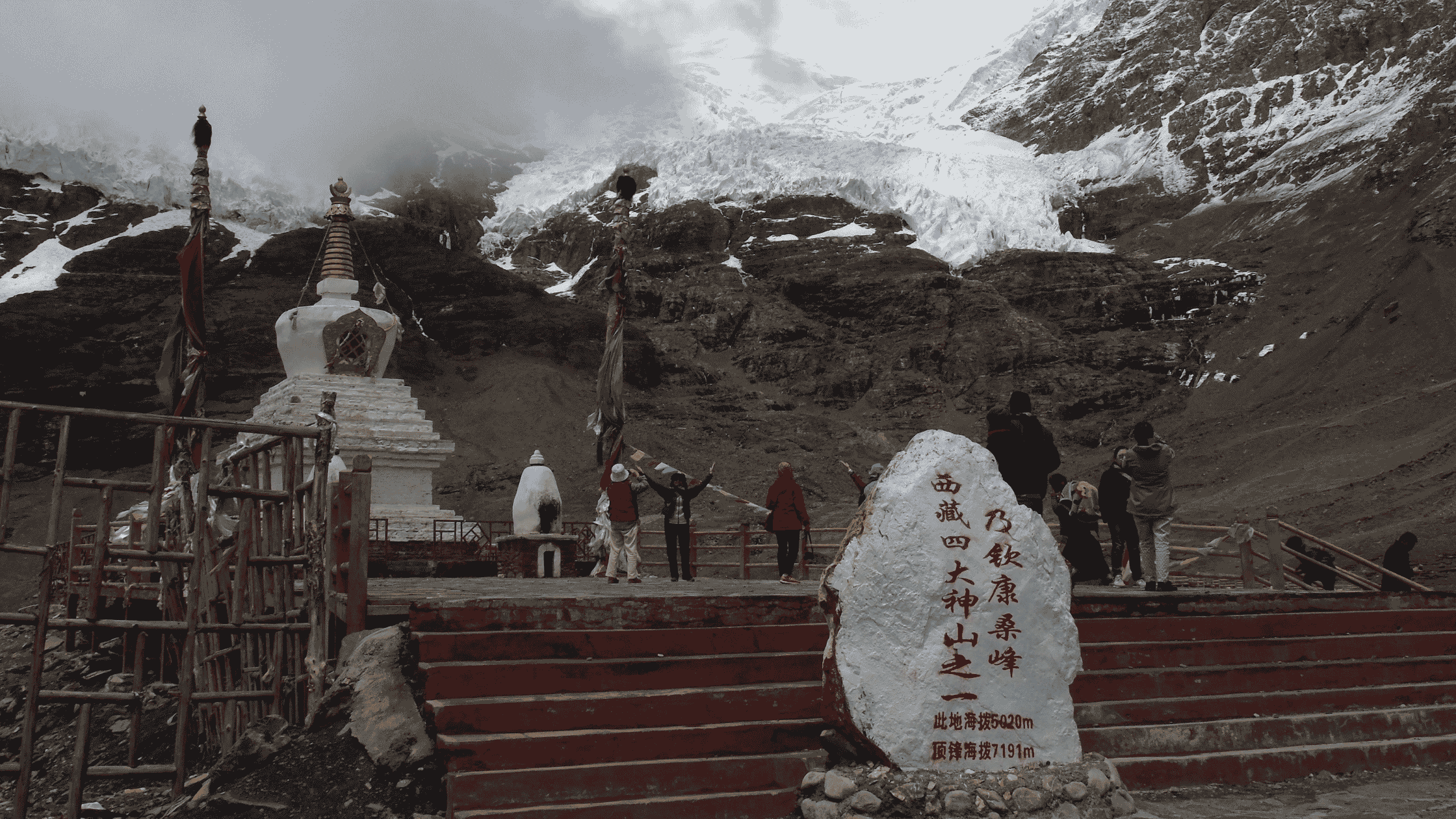
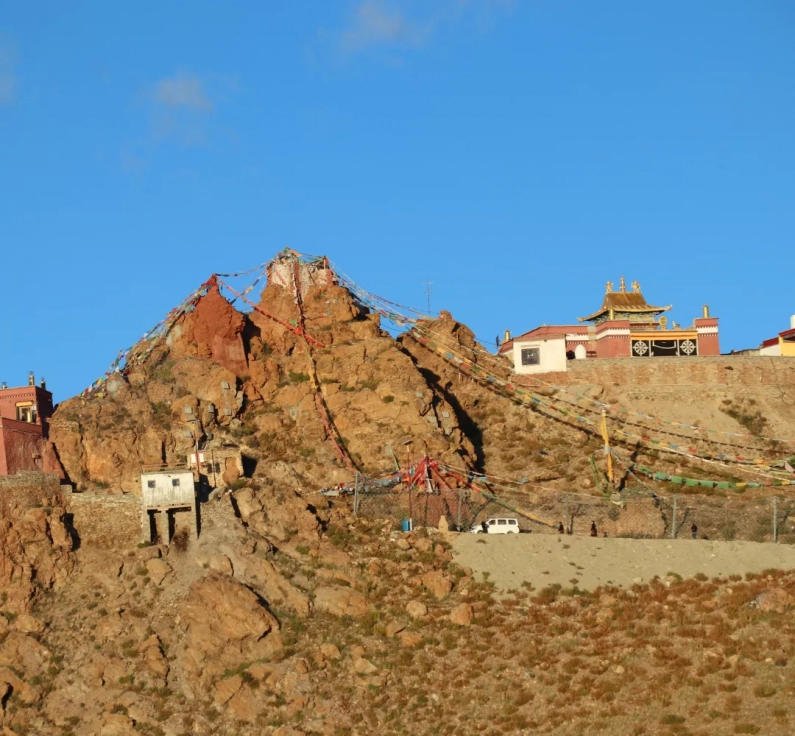
Tibet, often called "the Roof of the World," is home to some of the most significant Buddhist monasteries and temples on Earth. Set against a backdrop of towering Himalayan peaks and high-altitude plateaus, these sacred sites have drawn pilgrims, monks, and travelers for over a thousand years. Whether you're planning a dedicated Tibet trip or combining it with a Nepal trek, here's a complete guide to the region's most important monasteries and temples.
Why Visit Tibet's Monasteries?
Tibetan Buddhism has shaped the region's culture, art, and daily life for centuries. Its monasteries aren't just religious sites — they're living centers of learning, art, and community, many still home to hundreds of practicing monks today. Visiting them offers a rare window into a spiritual tradition that has remained remarkably intact despite the region's turbulent modern history.
Top Buddhist Monasteries and Temples in Tibet
1. Jokhang Temple (Lhasa)
Considered the most sacred temple in Tibetan Buddhism, the Jokhang Temple sits at the spiritual heart of Lhasa. Built in the 7th century, it houses a revered statue of Jowo Shakyamuni Buddha and remains the most important pilgrimage destination for Tibetan Buddhists. The temple is surrounded by the Barkhor, a circular pilgrim path lined with shops and prayer wheels — walking it alongside pilgrims is one of the most memorable experiences in Lhasa.
2. Potala Palace (Lhasa)
Once the winter residence of the Dalai Lama, the Potala Palace is a UNESCO World Heritage Site and one of the most iconic structures in the world. Rising over 13 stories above Lhasa, it houses hundreds of rooms, chapels, and the tombs of past Dalai Lamas. Though no longer used as a residence, it remains one of the most visited and photographed sites in Tibet.
3. Drepung Monastery
Once considered the largest monastery in the world, with a population that reportedly exceeded 7,000 monks at its peak, Drepung Monastery sits on a hillside just outside Lhasa. Its whitewashed buildings and expansive courtyards make it one of the most visually striking monastic complexes in Tibet.
4. Sera Monastery
Famous for its daily monk debate sessions, held in a dedicated courtyard each afternoon, Sera Monastery offers visitors a rare, lively glimpse into Tibetan Buddhist scholarly tradition. Young monks engage in animated, ritualized debate as part of their religious education — a uniquely photogenic and culturally rich experience.
5. Tashilhunpo Monastery (Shigatse)
Located in Shigatse, Tibet's second-largest city, Tashilhunpo Monastery is the traditional seat of the Panchen Lama, one of the two most important spiritual leaders in Tibetan Buddhism alongside the Dalai Lama. The monastery houses a massive gold statue of the Future Buddha (Maitreya), one of the largest gilded copper statues in the world.
6. Samye Monastery
Recognized as the very first Buddhist monastery built in Tibet, founded in the 8th century, Samye holds deep historical significance as the site where Buddhism was formally established in the region. Its unique mandala-inspired layout, symbolizing the Buddhist universe, sets it apart architecturally from any other monastery in Tibet.
Best Time to Visit Tibet's Monasteries
The best time to visit is generally April through October, when weather is most stable and roads/high-altitude passes are reliably open. Summer months (June–August) see the most visitors, so travelers seeking a quieter experience may prefer the shoulder seasons of April–May or September–October. Winter travel is possible but can involve more logistical challenges due to cold temperatures and occasional road closures at higher elevations.
What to Know Before You Go
Tibet Travel Permit required: Unlike traveling within mainland China, entering Tibet requires a special Tibet Travel Permit, arranged through a licensed travel agency — independent travel is not permitted
Altitude considerations: Lhasa sits at approximately 3,650m (11,975 ft), and many monasteries are at similar or higher elevations — acclimatization matters
Respectful visiting practices: Dress modestly, walk clockwise around religious structures (following Tibetan Buddhist tradition), and ask before photographing monks or ceremonies
Combine with Nepal: Many travelers visit Tibet as an extension of a Nepal trip via the Kathmandu–Lhasa overland route or direct flights, making it easy to pair a Nepal trek with a Tibet monastery tour
Plan Your Tibet Monastery Tour with Global Nepal Treks
Global Nepal Treks, arranges Tibet travel permits, transport, and guided visits to Tibet's most significant monasteries and temples — as a standalone tour or combined with a Nepal trekking package.
Ready to explore Tibet's sacred sites? Contact us at info@globalnepaltreks.com or +977-9744258519, or visit globalnepaltreks.com to start planning your journey.