Introduction
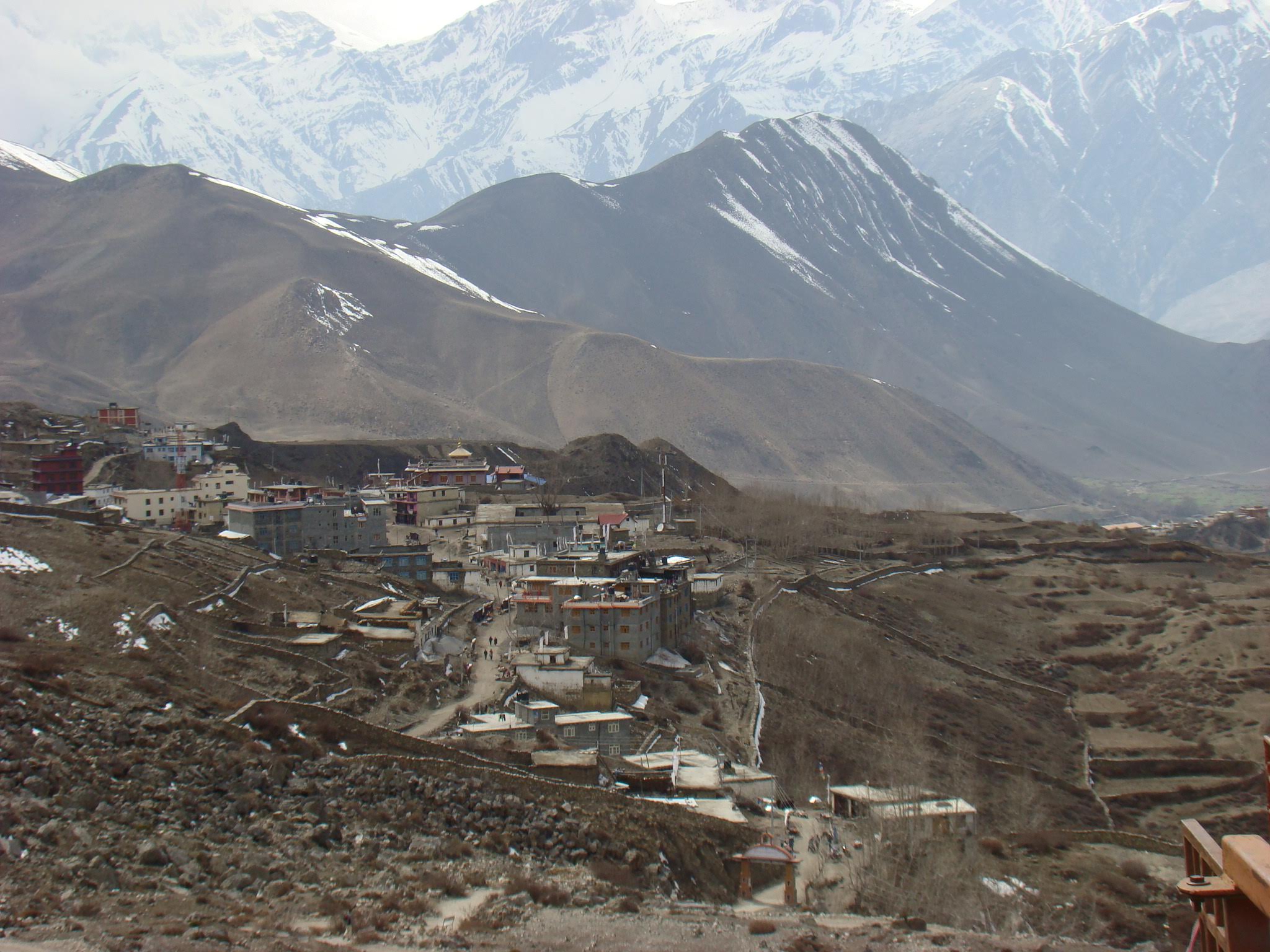
There are places in Nepal where the modern world has barely arrived. Where villages look exactly as they did 300 years ago. Where ancient monasteries still function exactly as they were built to function — not as tourist attractions but as living religious centres for communities that have never needed outside visitors.
The Nar Phu Valley is one of those places.
Opened to foreign trekkers only in 2003 — more than a decade after Upper Mustang and Manaslu — Nar Phu Valley receives fewer than 500 trekkers per year. On the Everest Base Camp route 50,000 pass through annually. The difference is not scenery or difficulty. The difference is that almost nobody knows Nar Phu exists.
I am Saroj Ghimire, Director of Global Nepal Treks (Govt Licence No. 3058, Kathmandu). We have been guiding the Nar Phu Valley Trek since it opened. This is the most complete honest guide available for 2026.
What Is the Nar Phu Valley Trek?
The Nar Phu Valley Trek is a 14–18 day trekking route in the Annapurna Conservation Area of northern Nepal. It takes you through a restricted area along the Tibetan border — past ancient cliff-top villages, medieval monasteries, dramatic river gorges, and over the Kang La Pass (5,322m) — into some of the most remote and least-visited terrain accessible to trekkers in Nepal.
Quick facts:
Duration: 14–18 days
Maximum altitude: 5,322m (Kang La Pass)
Difficulty: Challenging
Price: From $1,250 per person all-inclusive
Trekkers per year: Under 500
Restricted area permit: Required — $100 per week
Best time: Spring (March–May) and Autumn (September–November)
Minimum group size: 2 trekkers
Licensed guide: Mandatory
Why Nar Phu Valley Is Unlike Anywhere Else in Nepal
1. Genuine remoteness
Nar and Phu are two of the most isolated permanently inhabited villages in Nepal. Until 2003 they were completely closed to foreign visitors. The communities have maintained their Tibetan Buddhist culture, architecture, and way of life with almost no outside influence for centuries.
Walking into Phu village for the first time is a genuinely disorienting experience. The stone houses, the elaborate monastery perched above the village, the ancient chortens and mani walls, the yaks grazing on terraces — nothing suggests the 21st century. I have guided treks in Nepal for 18 years and Phu village remains one of the most extraordinary places I have ever visited.
2. The Phu Monastery
Above Phu village at approximately 4,200m sits Tashi Lhakhang Monastery — one of the most atmospherically situated Buddhist monasteries in Nepal.
The monastery is active. Resident monks perform daily rituals. The interior contains ancient thangka paintings, butter lamp shrines, and religious objects of genuine antiquity. Unlike many Nepal monasteries that now manage steady streams of tourists, Tashi Lhakhang receives so few visitors that your guide must seek permission from the head monk before entering.
This is what most Nepal trek monasteries were like 30 years ago.
3. The Kang La Pass — 5,322m
The Kang La Pass is the high point of the Nar Phu Valley Trek at 5,322m — significantly higher than Thorung La on the Annapurna Circuit (5,416m) and comparable to Kala Patthar on the EBC route (5,545m).
The crossing begins before dawn from the high camp. The pass gives panoramic views of Annapurna II (7,937m), Annapurna IV (7,525m), Lamjung Himal (6,931m), and Pisang Peak (6,091m).
Unlike Thorung La — which sees hundreds of trekkers daily in peak season — Kang La Pass might see 5–10 trekkers on a busy day.
4. The Nar Village and its people
Nar village sits at 4,200m in a wide valley above the dramatic Nar Khola gorge. The Narpa people — the indigenous community of this valley — speak their own dialect of Tibetan, follow Tibetan Buddhist traditions, and maintain a semi-nomadic lifestyle moving between lower winter settlements and high summer pastures.
Their relationship with their landscape is ancient and specific. They know every path, every water source, every seasonal grazing area. Walking through Nar with a guide who can communicate with the community — sitting in a family kitchen drinking butter tea and yak milk — is a cultural experience that simply does not exist on the more visited Nepal trekking routes.
5. Dramatic canyon landscapes
The approach to Nar Phu Valley through the Nar Khola and Phu Khola gorges is some of the most dramatic canyon scenery in Nepal. Sheer rock walls rise hundreds of metres on either side. The rivers carve through narrow passages where yak caravans once navigated treacherous trails.
This lower gorge section — before you reach the open valley above — has a raw geological drama that most Nepal trekking routes entirely lack.
Nar Phu Valley Trek Full Itinerary 2026
Standard 16-Day Itinerary
Day 1 — Arrive Kathmandu (1,400m)
Arrive at Tribhuvan International Airport. Transfer to Thamel hotel. Welcome dinner and trek briefing. Permit collection — both restricted area permit and ACAP arranged by Global Nepal Treks.
Day 2 — Drive Kathmandu → Besisahar (760m)
7–8 hour drive through the Trishuli and Marsyangdi river valleys. Overnight in Besisahar — the gateway town for the Annapurna Circuit and Nar Phu Valley.
Day 3 — Besisahar → Koto (2,600m)
Drive 2–3 hours to Koto then begin trekking. Koto is the checkpoint where restricted area permits are verified. From here you enter the Nar Phu restricted zone — the restricted area begins.
Day 4 — Koto → Meta (3,560m)
Trek 5–6 hours through the dramatic lower Nar Phu gorge. The trail climbs steadily alongside the Phu Khola river through progressively narrowing canyon walls. First views of high Himalayan peaks ahead.
Day 5 — Meta → Phu Village (4,080m)
Trek 5–6 hours arriving at Phu village — the most remote permanently inhabited settlement in the Nar Phu Valley. Afternoon visit to Tashi Lhakhang Monastery above the village.
Day 6 — Phu Village exploration and acclimatization
Full day in Phu village. Morning visit to the monastery with permission from the head monk. Afternoon hike to the Himlung Himal viewpoint (4,500m) for views of Himlung (7,126m), Ratna Chuli (7,035m), and the Tibetan plateau to the north.
Day 7 — Phu → Ngawal (3,600m) via Kang La Pass (5,322m)
The most demanding day. Early start before dawn. Climb to Kang La Pass (5,322m) — 4–5 hours from high camp. Summit views of Annapurna II, Annapurna IV, Lamjung Himal, and Pisang Peak. Descent to Ngawal — 3–4 hours.
Day 8 — Ngawal → Manang (3,519m)
Trek 3–4 hours descending to Manang — the most famous acclimatization village on the Annapurna Circuit. First encounter with other trekkers since Koto.
Day 9 — Manang acclimatization
Rest day in Manang. Optional hike to Ice Lake (4,600m). Himalayan Rescue Association clinic visit recommended.
Day 10 — Manang → Meta via Nar Village (4,200m)
Return toward the restricted area via a different route passing through Nar village — the second major settlement of the valley. Overnight in Nar.
Day 11 — Nar Village → Koto (2,600m)
Trek 5–6 hours descending through the Nar gorge back to Koto. Exit the restricted area checkpoint.
Day 12 — Koto → Chame (2,710m)
Continue along the Annapurna Circuit route to Chame.
Day 13 — Chame → Pisang (3,200m)
Trek through the dramatic Marsyangdi gorge to Pisang village with first views of Annapurna II.
Day 14 — Pisang → Manang (3,519m)
Trek through Upper Pisang route for best mountain views. Arrive Manang.
Day 15 — Drive Manang → Kathmandu
Drive back to Kathmandu through Besisahar.
Day 16 — Departure from Kathmandu
Transfer to international airport. Or extend with Chitwan National Park safari — see our Chitwan safari guide.
Nar Phu Valley Trek Cost 2026
Global Nepal Treks — from $1,250 per person all-inclusive
What is included
✅ Licensed NTB Sherpa guide throughout all 16 days
✅ Porter — 1 per 2 trekkers
✅ Restricted Area Permit — $100 per week INCLUDED
✅ ACAP permit — $30 INCLUDED
✅ TIMS card — $20 INCLUDED
✅ All accommodation — hotel Kathmandu + tea houses and lodge on trail
✅ All meals — breakfast lunch dinner every day
✅ Kathmandu–Besisahar transport
✅ Airport transfers Kathmandu
✅ 24/7 emergency support
What is not included
❌ International flights to Kathmandu
❌ Nepal visa — $30–50 on arrival
❌ Travel insurance — mandatory
❌ Tips — guide $12–15/day + porter $8–10/day
❌ Personal spending
Total trip budget
Item | Cost |
Global Nepal Treks package | $1,250 |
Nepal visa | $50 |
Travel insurance | $100 |
Tips | $280 |
Personal spending | $100 |
Total | ~$1,780 |
For a complete Nepal trekking cost breakdown see our Nepal trekking cost 2026 guide.
Nar Phu Valley Trek Permits 2026
Permit | Cost | Issued by |
Nar Phu Restricted Area Permit | $100 per week | Nepal Mountaineering Association |
ACAP | $30 | Nepal Government |
TIMS Card | $20 | TAAN/NTB |
Total | $150+ | All arranged by Global Nepal Treks |
Important: The Nar Phu restricted area permit can only be obtained through a licensed Nepal trekking agency. Individual applications are not accepted. Minimum group of 2 trekkers required.
Since April 2023 a licensed guide is mandatory on all major Nepal trekking routes. See our Nepal trekking without guide 2026 guide for details.
Nar Phu Valley Trek Difficulty
Difficulty: Challenging
The Nar Phu Valley Trek is one of Nepal's more demanding routes — primarily because of the Kang La Pass crossing at 5,322m and the remote terrain above the restricted area checkpoint at Koto.
What makes it challenging:
Kang La Pass (5,322m) — demanding high altitude crossing
Remote terrain — limited emergency support above Koto
More basic accommodation than EBC or Annapurna routes
Some trail sections are rough and less maintained
Weather can change rapidly at altitude
What makes it manageable:
No technical climbing — no ropes or crampons needed
Combined with Annapurna Circuit sections for good acclimatization
Licensed guide mandatory — all safety managed professionally
The altitude profile allows gradual acclimatization
Who should choose Nar Phu:
Trekkers who have completed at least one major Nepal trek (EBC, Annapurna, or similar)
People who specifically want solitude and authentic cultural experience
Trekkers comfortable with more basic facilities above Koto
Anyone interested in genuine Tibetan Buddhist culture away from tourist infrastructure
Best Time for Nar Phu Valley Trek 2026
Spring — March to May ✅
April is the best spring month. Rhododendron forests below Koto in full bloom. Stable weather. Clear mountain views from Kang La Pass.
May — late blooms at higher altitude. Some afternoon cloud building pre-monsoon.
Autumn — September to November ✅
October is the best single month. Post-monsoon crystal clear skies. Best conditions for Kang La Pass crossing. Perfect temperatures.
November — excellent visibility. Getting cold at high altitude. Kang La Pass may see first snowfall late November.
Monsoon — June to August ❌
Heavy rain on approach sections. Trail conditions difficult below Koto. Not recommended.
Winter — December to February 🟡
Kang La Pass can be blocked by snow. Only for experienced winter high-altitude trekkers with proper equipment.
Accommodation on Nar Phu Valley Trek
Section | Quality | Notes |
Kathmandu | ✅ 3-star hotel | Comfortable |
Besisahar | 🟡 Basic guesthouse | Clean and adequate |
Koto to Meta | 🟡 Basic tea houses | Simple but adequate |
Phu and Nar villages | 🟡 Village homestay | Basic — part of the authentic experience |
Manang section | ✅ Good tea houses | Back to standard facilities |
All accommodation is included in the Global Nepal Treks package price.
Nar Phu vs Other Remote Nepal Treks
Factor | Nar Phu Valley | Manaslu Circuit | Upper Mustang |
Trekkers per year | Under 500 | 3,000–5,000 | 3,000–5,000 |
Max altitude | 5,322m | 5,160m | 3,840m |
Difficulty | Challenging | Challenging | Moderate |
Cultural authenticity | ✅ Highest | ✅ Very high | ✅ Very high |
Permit cost | $100/week | $100/week | $500/10 days |
Price Global Nepal Treks | $1,250 | $1,100 | $1,750 |
Best season | Oct or April | Oct or April | Oct or July |
For a complete comparison of remote Nepal treks see our best trekking routes Nepal 2026 guide.
What to Pack for Nar Phu Valley Trek
The Nar Phu Valley Trek reaches 5,322m at Kang La Pass. Packing requirements are similar to EBC Trek with additional consideration for remoteness.
Essential items:
Down jacket rated -20°C — for Kang La Pass and high camps
Waterproof trekking boots — broken in before departure
Trekking poles — essential for Kang La Pass descent
Headlamp with spare lithium batteries — early start for pass crossing
Warm hat balaclava and heavy gloves — for pass crossing
Sunscreen SPF 50+ — UV extreme at 5,000m+
Water purification — SteriPen or tablets
Basic first aid kit including Diamox
For complete packing guidance see our EBC Trek packing list 2026 — most items apply equally to Nar Phu.
Frequently Asked Questions — Nar Phu Valley Trek 2026
Q: Is Nar Phu Valley Trek suitable for first-time Nepal trekkers?
We do not recommend Nar Phu as a first Nepal trek. Prior experience above 4,000m and good physical fitness are essential. We strongly recommend completing the EBC Trek or Annapurna Base Camp Trek first.
Q: Why did Nar Phu only open in 2003?
The Nepal government maintained the Nar Phu Valley as a restricted area due to its proximity to the Tibetan border and to protect the unique Tibetan Buddhist culture of the Narpa communities. It opened to foreign trekkers in 2003 — later than most other restricted areas in Nepal.
Q: Can I visit Nar Phu without the restricted area permit?
No. The restricted area checkpoint at Koto is strictly enforced. All trekkers must carry the valid Nar Phu restricted area permit issued through a licensed agency. Attempting to enter without a permit results in being turned back and fined.
Q: What is the accommodation like in Phu village?
Basic but authentic. Phu has a small number of simple guesthouses and village homestays. Rooms are clean but very basic — expect wooden beds simple blankets and limited facilities. Hot water is not available. This basic accommodation is part of the authentic experience of visiting one of Nepal's most remote villages.
Q: How does Nar Phu compare to the Manaslu Circuit?
Both are restricted area treks in remote northern Nepal with authentic Tibetan Buddhist culture. Nar Phu receives fewer visitors and has more basic facilities. Manaslu Circuit has the more dramatic single day (Larkya La Pass crossing) and more tea house infrastructure. For experienced trekkers who have done Manaslu — Nar Phu is the logical next step. See our Manaslu vs EBC comparison.
Q: What wildlife can I see on Nar Phu Valley Trek?
The Nar Phu Valley has excellent wildlife viewing potential. Snow leopard sightings are more common here than on most Nepal trekking routes — the remote terrain and low human traffic mean wildlife is less disturbed. Blue sheep are commonly seen on rocky slopes above 4,000m. Himalayan tahr, musk deer, and various high-altitude bird species are present throughout.
Q: Is travel insurance mandatory for Nar Phu Trek?
Yes — and the policy must specifically cover helicopter evacuation to at least 6,000m. The remote terrain of Nar Phu means any medical emergency requires helicopter evacuation. A rescue without insurance costs $5,000–$8,000. Global Nepal Treks requires proof of adequate insurance before departure.
About the Author
Saroj Ghimire is the Director of Global Nepal Treks — a government-licensed trekking and tour agency in Thamel, Kathmandu, Nepal Since 2008 Saroj has guided trekkers on the Nar Phu Valley Trek and all major Nepal restricted area routes.
📧 info@globalnepaltreks.com · 📞 +977-9744258519 · 🌐 globalnepaltreks.com
Book Nar Phu Valley Trek 2026
Also read: